DHS has claimed ICE deportations pushed down rents in several Sun Belt metros, but the department did not publish the data or methods behind those figures. Independent rental indexes and city-level data point to a large wave of new apartment construction and softer rental demand as the main drivers of recent rent declines. Experts warn mass deportations could reduce the construction workforce—an estimated 1.6 million undocumented workers are in construction—raising building costs and slowing future housing supply. Overall, the evidence is mixed and causality remains unproven.
DHS Credits ICE Deportations With Lower Rents — But New Supply And Labor Effects Tell A More Complex Story

Federal immigration agents detain a man during an operation by U.S. Immigration and Customs Enforcement (ICE) and Border Patrol in St. Paul, Minnesota, on January 27, 2026.
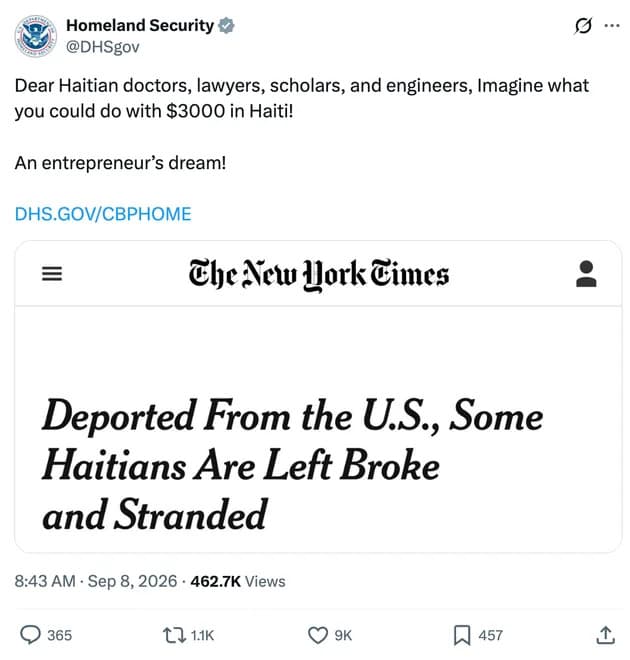
The Department of Homeland Security (DHS) posted on X that large-scale deportations and tougher interior enforcement by Immigration and Customs Enforcement (ICE) have reduced rents in several Sun Belt metros, naming Austin, Nashville, Phoenix and others. DHS cited specific percentage drops but did not provide the underlying data or methodology for those figures.
DHS Claim And Missing Methodology
In its social post the department stated that cooperation with ICE has led to lower rents and listed metro-level declines such as San Antonio -4.8%, Austin -4.3% and Nashville -5.3%. DHS also pointed to unspecified "research" linking illegal-worker inflows to higher housing costs. The post did not identify the data source or explain how it isolated deportations from other factors that influence rents.
What Independent Data Suggests
Independent housing indexes and local data point to a different — and more prosaic — explanation: an oversupply of new apartments and weaker rental demand. A construction boom that began during the pandemic produced large volumes of new multifamily units that have started to hit the market just as demand softened, triggering price corrections in many fast-growing metros.
Key supply and rent data cited by local and national sources include:
- RentCafe ranked Dallas and Austin second and third nationwide for new apartment completions in the relevant year, with 28,958 and 26,715 units respectively; Phoenix was fourth with 21,188 units.
- Zillow’s metro rent estimates show modest year-over-year declines or flat rents in many of the cities DHS named (for example, Austin ≈ $1,990, down $10; Dallas ≈ $1,950, down $45; Phoenix ≈ $1,825, down $70; New Orleans ≈ $1,650, down $100).
- Nationally, Realtor.com reported year-over-year declines in median asking rents across the 50 largest U.S. metros for the 37th straight month in August, driven largely by new inventory and weaker demand in the South and West.
Labor Risks From Mass Deportations
Even if deportations free up some units in the short term, experts warn the policy could harm the construction labor pool that produces new housing. Reports drawing on census and labor-survey data estimate roughly 1.6 million undocumented workers in U.S. construction, and the Urban Institute estimated immigrants comprised more than 23% of construction workers in 2023, with about half of those believed to be undocumented.
“Immigrants play a significant role in construction, and reducing labor supply tends to raise building costs and slow new home production,” said Daryl Fairweather, chief economist at Redfin.
Industry groups such as the National Association of Home Builders and investigations by outlets like Reuters have documented project delays, cost overruns and labor shortages linked to immigration enforcement actions, illustrating how enforcement can create short-term disruption that increases costs and slows building.
Bottom Line
The evidence DHS cited is incomplete: the department did not provide metro-level data or a methodology to show how much of any rent decline is directly attributable to deportations. Independent data points to a large recent surge in apartment supply and softer demand as primary drivers of falling rents in the cited metros. Policymakers should weigh any short-term vacancy effects against the longer-term risks of reducing the labor force that builds housing, which could push costs up over time. In short, the relationship between enforcement and rents is complex and not conclusively settled by DHS’s post.
Newsweek contacted DHS for comment.
Help us improve.