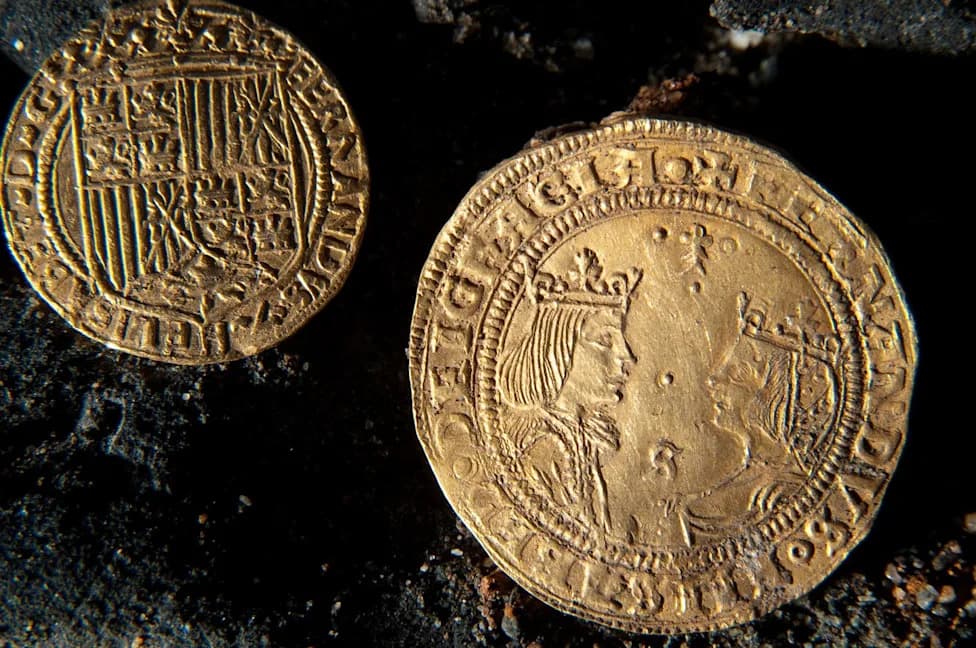
University of West Florida researchers examined three Emanuel Point shipwrecks linked to Tristán de Luna y Arellano’s failed 1559 Pensacola expedition and found unusually weak magnetic signatures. The team linked only about 9.1 pounds (4.15 kg) of iron to Emanuel Point III, and small fasteners on EP II and EP III were detectable only within roughly 9 inches by handheld instruments. The study recommends pairing broad magnetometer surveys with close-range probes and gradiometers and adjusting expectations for older wooden ships that may have lost most of their iron.
1559 Pensacola Shipwrecks Found — Study Warns Magnetometer Searches May Miss Early Wooden Wrecks
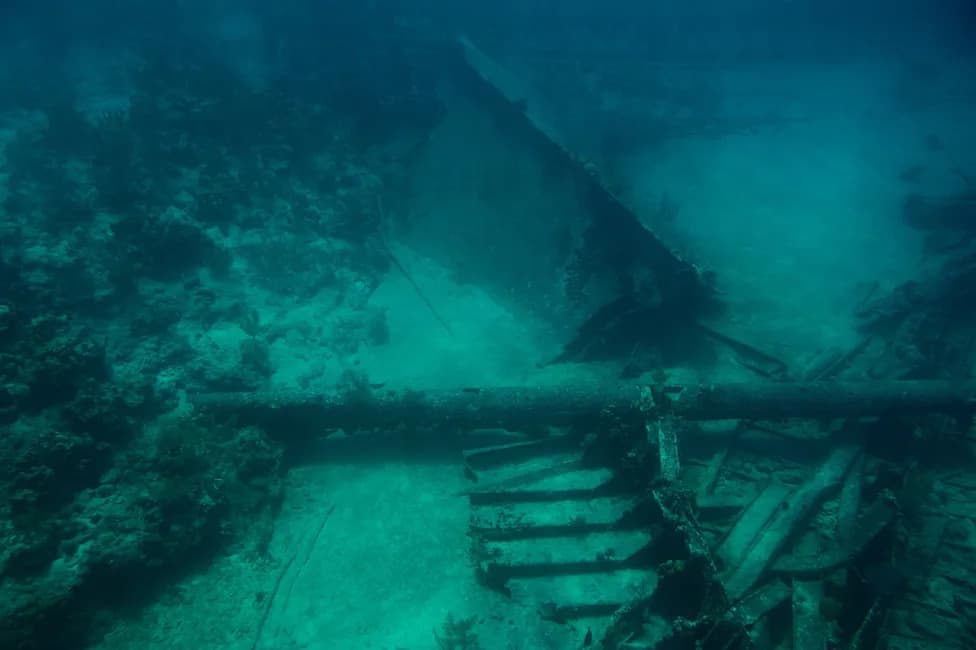
Photo Credit: iStock
Archaeologists off the coast of Pensacola, Florida, have identified three shipwrecks from a failed Spanish colonizing expedition in 1559 — and say the bigger lesson may be about how researchers search for wrecks, not only the wrecks themselves.
The remains are tied to the expedition led by Spanish conquistador Tristán de Luna y Arellano. In August 1559 Luna arrived in the Pensacola area with a fleet of 11 ships carrying roughly 1,500 people, including soldiers, colonists and enslaved individuals. The settlement predated England’s Jamestown by 48 years but survived only about two years; a hurricane in September 1559 wrecked much of the fleet and destroyed stored supplies, leaving multiple vessels on the seabed for centuries.
Researchers from the University of West Florida, led by William J. Wilson and Gregory D. Cook, examined three Emanuel Point wreck sites — Emanuel Point I, II, and III — and found that all produced unusually weak magnetic signatures.
Why the Magnetic Signature Matters
For decades marine archaeologists have relied on magnetometers to locate shipwrecks by detecting iron and other ferrous materials that create anomalies in Earth’s magnetic field. As Cook explains, magnetometers "identify anomalies in Earth’s magnetic field produced by iron commonly present on wreck sites." But the Emanuel Point sites did not produce the robust anomalies investigators often expect.
"The Emanuel Point shipwrecks do not necessarily fit the magnetic anomaly criteria often used for locating shipwrecks," the team notes.
What the Team Found
One key reason for the weak signatures is the scarcity of surviving iron. At Emanuel Point III, researchers were able to link only about 9.1 pounds (4.15 kilograms) of iron to the detected anomaly. On Emanuel Point II and III, small iron fasteners were detectable with a handheld gradiometer only from roughly 9 inches (about 23 cm) away.
The limited magnetic signal could reflect post-sinking scavenging of metal, or gradual loss through corrosion across four centuries. The third Emanuel Point wreck was recognized only because divers performing close-range searches and probes while excavating a nearby site felt a hard return — "stones" — prompting further investigation.
Recommendations and Broader Implications
The researchers urge a more flexible, site-tailored approach to underwater surveys. Instead of relying solely on a single magnetometer threshold, they recommend:
- Revisiting weak or ambiguous magnetic readings
- Pairing broad magnetometer surveys with close-range tools such as probes, divers' circle searches, and handheld gradiometers
- Adjusting expectations for very old wooden vessels that may have lost most of their iron over time
Adopting those tactics could help archaeologists find more early colonial wrecks and build a fuller record of life in the Americas before English colonies came to dominate the written narrative. The study also notes that the Emanuel Point anomaly characteristics do not appear common across other early North American wrecks — whether that difference reflects variable preservation or past detection biases remains unclear.
Related Finds Around the World
The Emanuel Point discoveries join other recent underwater and colonial-era finds that show how major historical material can remain hidden for centuries, including:
- Shipwrecks tied to piracy in Nassau Harbor, Bahamas
- Three largely untouched 13th-century wrecks off Menorca, Spain
- A southern Italian wreck carrying 300 amphorae that mapped an ancient Mediterranean trade route
- A Devon, England, wreck identified as a Dutch trader carrying 9,000 gold coins
- The rediscovery of a lost Spanish mission in Florida during a Civil War battlefield search
Bottom line: Early wooden shipwrecks can retain very little ferrous material and so may evade wide-area magnetometer detection. Combining long-range magnetic surveys with close-range probing and revised expectations for iron-poor wrecks can reveal sites that have lain hidden for centuries.
Help us improve.