Saudi Foreign Minister Faisal bin Farhan told the UN that the Strait of Hormuz should be restored to its pre-February 28, fee-free status and that freedom of navigation must also apply to the Bab al-Mandab, the Red Sea and the Gulf of Aden. He warned that Iran's blockade after late-February strikes and Houthi disruptions in Yemen have severely constrained regional oil and maritime trade. Riyadh urged collective international action to protect shipping lanes and global supply chains while diplomatic talks continue.
Saudi Arabia Urges Restoration of Strait of Hormuz to Pre-Conflict, Fee-Free Status
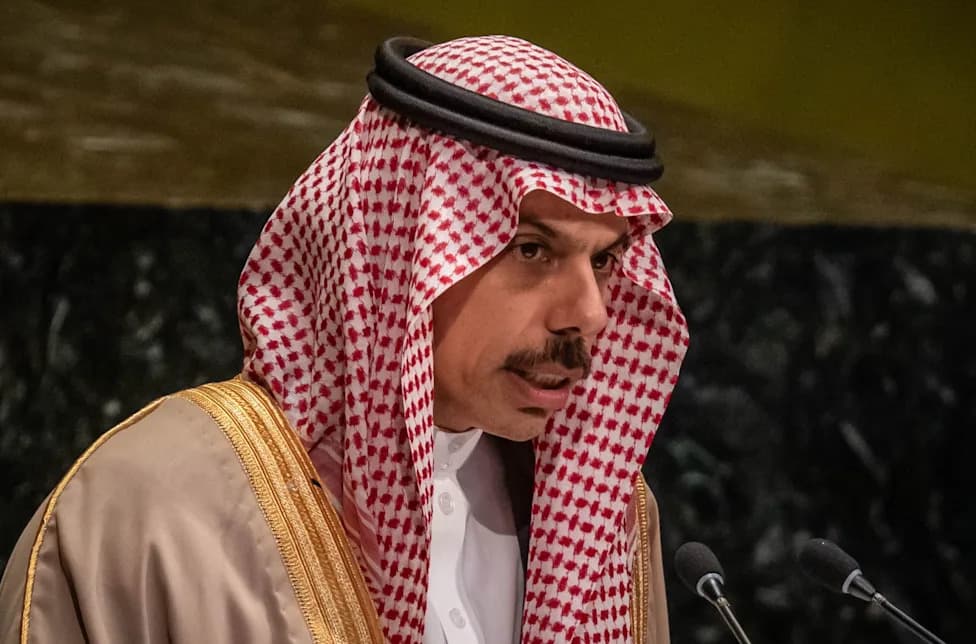
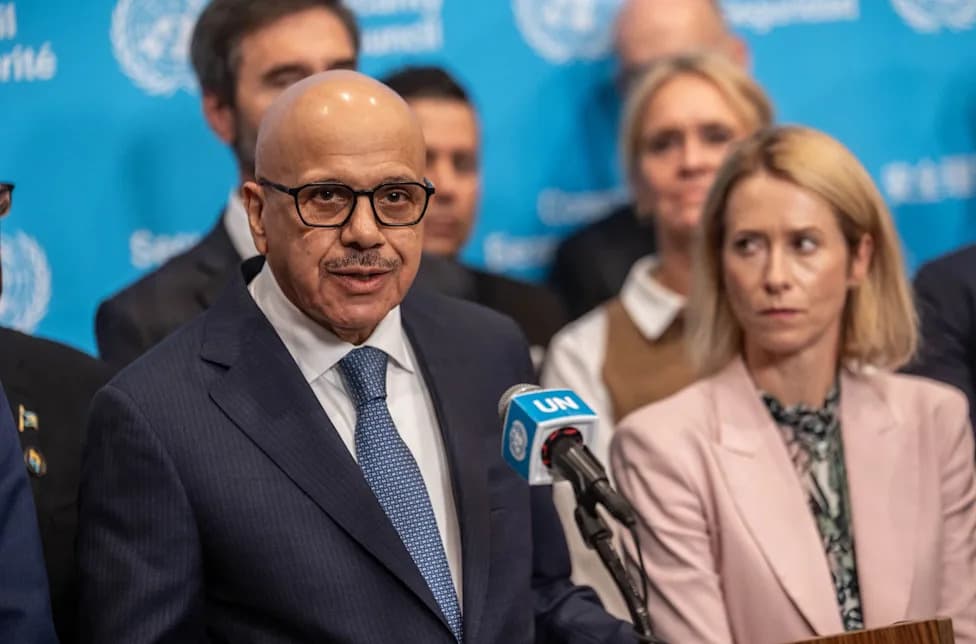
Saudi Minister of Foreign Affairs Prince Faisal bin Farhan al-Saud speaks at a session of the UN General Assembly at the United Nations. (is associated with: «Saudi Arabia calls for Strait of Hormuz to return to pre-war status») Michael Kappeler/dpa
Saudi Arabia has called for the Strait of Hormuz to be returned to its pre-conflict status and freed of any charges or restrictions, Foreign Minister Faisal bin Farhan Al Saud told the UN General Debate. He said the waterway should be restored to how it functioned before February 28, when recent strikes and the ensuing escalation disrupted navigation in the region.
Freedom of navigation, the minister said, must also be guaranteed in the Bab al-Mandab (the "Gate of Tears"), the Red Sea and the Gulf of Aden to ensure the uninterrupted flow of international trade and energy supplies.
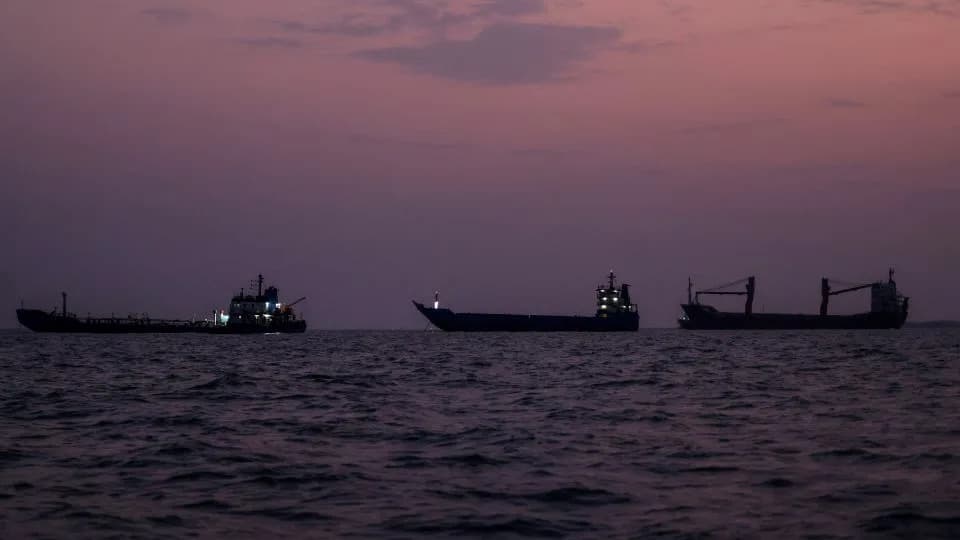
Following strikes in late February, Iran blocked shipping through the Strait of Hormuz, disrupting a significant portion of the region's oil and gas exports. The central question now is how — and under what conditions — the strait can be safely and reliably reopened to international shipping.
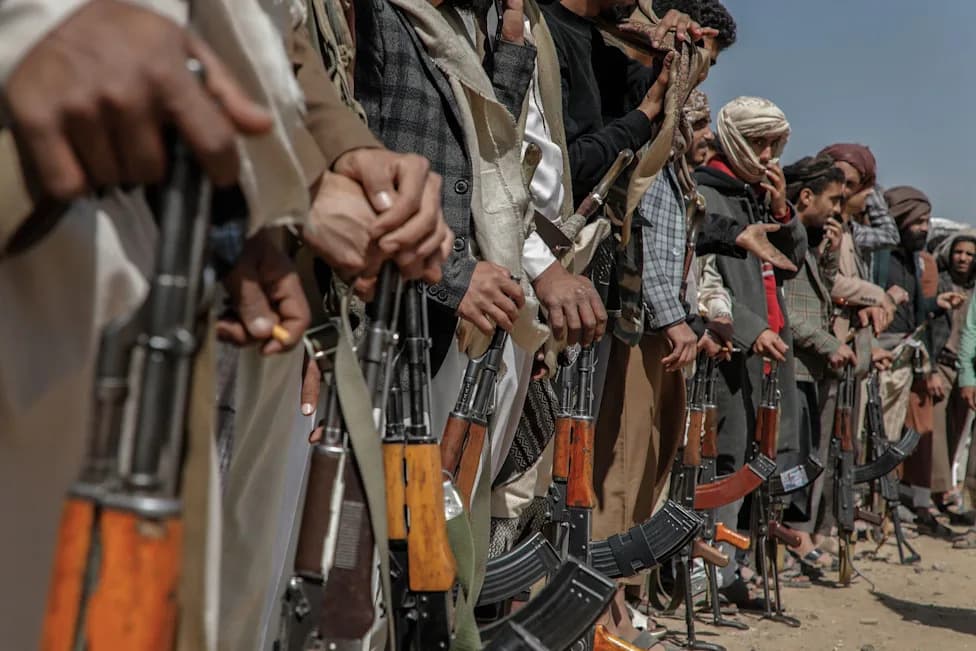
Riyadh and other Gulf states face heavy economic pressure from the disruption. While some Saudi oil and petroleum products continue to reach global markets via pipelines and alternative routes, maritime routes remain critical. Complicating matters further, the Houthi movement in Yemen — which describes its actions as a blockade of Saudi vessels — has also impeded transit through the Bab al-Mandab, limiting options for maritime exports.
"It is a shared responsibility of nations to protect international shipping and global supply chains," Prince Faisal said, urging collective action to safeguard maritime routes essential to global commerce.
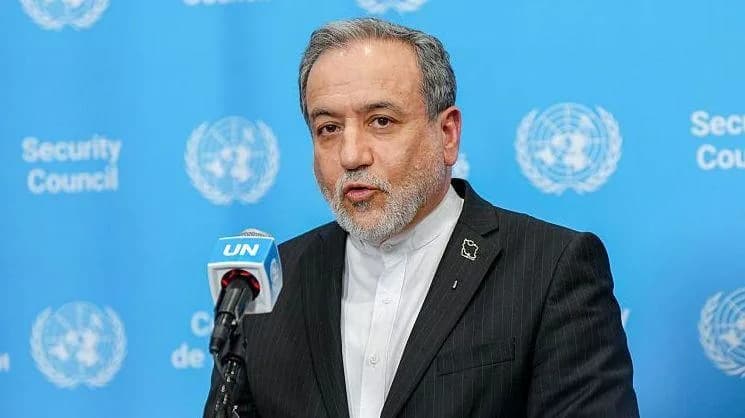
The Saudi foreign minister also met with Iran's Deputy Foreign Minister Abbas Araghchi in New York, according to Saudi and Iranian media. Saudi-Iran ties — which had shown signs of rapprochement after a 2023 China-brokered detente — are under strain amid the current conflict.
As discussions continue at the UN and among regional stakeholders, reopening the Strait of Hormuz while guaranteeing safe passage and neutral navigation rules remains a top priority for Saudi Arabia and other affected states.
Help us improve.