Rising child-rearing costs in Australia — estimated at about $17,800 per child annually and more than $36,500 for two children — are increasingly cited as a key factor behind the country’s falling birth rate. Analysis shows family costs have risen faster than household incomes, and many Australians report having fewer children than they want. Advocates are calling for major policy changes, including longer paid parental leave and a universal, school-style approach to childcare funding, to ease the financial squeeze on families.
Rising Child Costs in Australia: ~$17,800 Per Child Annually Pushes Families To Have Fewer Kids

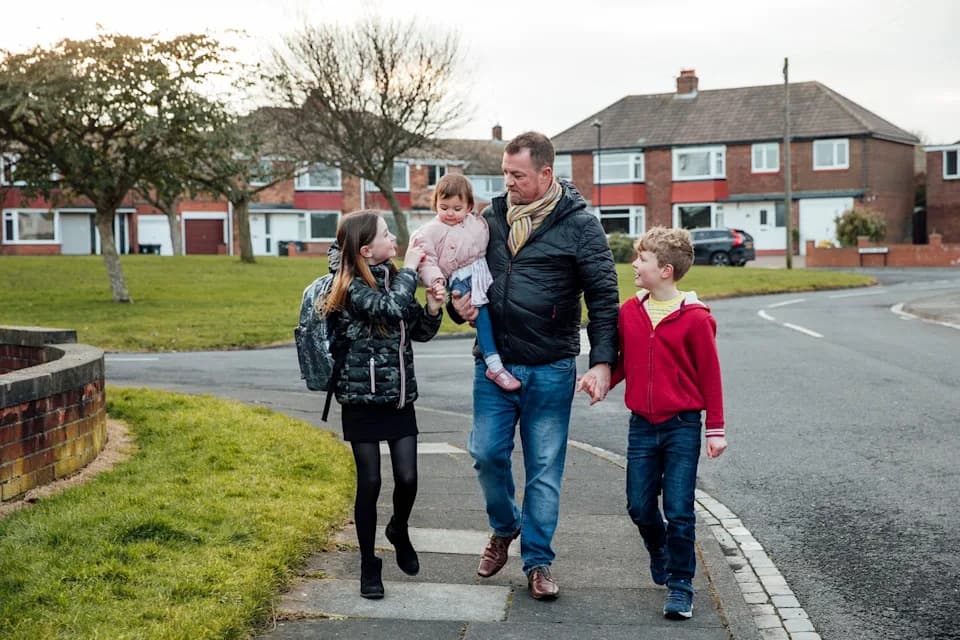
Photo Credit: iStock
Rising costs of child-rearing in Australia are prompting many families to rethink how many children they can realistically afford. New figures from advocacy group The Parenthood, cited by The Age, estimate the annual cost of raising one child at about $17,800 and more than $36,500 for two children.
How Much Is It Costing Families?
According to The Parenthood, a combination of childcare fees, everyday living expenses and other family essentials is squeezing household budgets. Analysis by consultancy ConnellGriffin shows the cost of running a family has risen about 134% over the past two decades, while weekly household incomes rose roughly 102% in the same period.
Falling Birth Rates And Unmet Intentions
Australia’s fertility rate declined from 2.02 in 2008 to 1.48 in 2024, and the federal intergenerational report projects a further fall to about 1.34 by 2065–66. By comparison, a fertility rate near 2.1 is generally needed for a population to replace itself without migration. Treasury’s Centre for Population estimates roughly 881,000 births may have been foregone between 2001 and 2022 because people had fewer children than they intended.
Voices From Parents And Experts
Georgie Dent, CEO of The Parenthood: “The birth rate has plummeted and a significant part of that drop is not in desire, it’s in affordability. Parents are genuinely beside themselves; so many families are very genuinely squeezed.”
Francesca Steele, an associate director at KPMG, described how even households that appear financially secure have cut back on holidays, extracurriculars and everyday spending as the cost-of-living rise "feels exponential."
Rural Pressure And Workforce Effects
The financial burden is often heavier outside major cities. Research commissioned by The Parenthood found 86% of parents in regional, rural and remote areas report financial stress related to childcare access. With roughly one-third of Australia’s workforce caring for dependent children, high childcare costs also shape career choices and workers’ ability to balance paid employment and caregiving.
Policy Responses Being Proposed
Dent and others are calling for systemic changes to make parenthood more affordable, including:
- Raising minimum paid parental leave toward the OECD average (around one year).
- Delivering genuinely universal, affordable childcare supported by a professionally paid workforce.
- Establishing a national Early Childhood Education and Care Commission to oversee quality and access.
- Changing funding so childcare is supported more like schools rather than relying predominantly on fee subsidies.
Dent notes a marked shift in fee pressure at centre-based services: in 2020 only about 12.5% charged average fees above the fee cap; today that proportion is close to 43%.
What This Means For Families
The rising cost of care influences whether people can afford the number of children they want, affects career trajectories, and can limit households’ capacity to support ageing relatives. Many families report simplifying their lives to cope — cutting takeaways, vacations and discretionary spending — yet still feeling financial strain.
Sources: The Parenthood; ConnellGriffin analysis; Treasury’s Centre for Population; reporting in The Age.
Help us improve.