At the UN General Assembly, Vice President Han Zheng urged that the sovereignty of Gulf nations be respected and called for an immediate end to the blockade and sanctions on Cuba, implicitly criticizing U.S. policy. He linked U.S. pressure to Cuba's worsening fuel shortages and a recent power grid collapse, and he highlighted concerns about outside interference related to Iran. Han framed China as a defender of developing countries and a proponent of multilateral consultation.
China Challenges U.S. at UN: Urges End To Cuba Blockade and Respect For Gulf Sovereignty
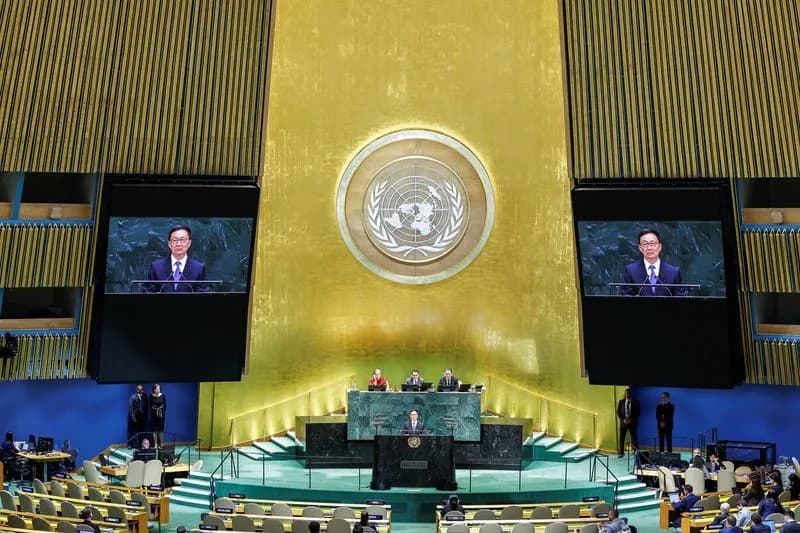
China's Vice President Han Zheng addresses the 81st United Nations General Assembly at UN headquarters in New York City, US, September 26, 2026. REUTERS/Eduardo Munoz
UNITED NATIONS, Sept 26 — In a forceful address to the UN General Assembly, Chinese Vice President Han Zheng pushed back against what he described as external pressure on both Iran and Cuba, urging respect for the sovereignty of Gulf states and calling for an immediate end to the blockade and sanctions on Cuba.
Han avoided naming the United States directly but tied his remarks to recent reports and diplomatic tensions. He said that "major countries should have special responsibilities for safeguarding international peace and security" and should "take the lead in complying with the rules, upholding the rule of law, and doing what is right."
On the Middle East, Han said that the sovereignty and security of countries in the region, including those in the Gulf, must be respected, and he criticized outside interference tied to recent hostilities involving Iran.
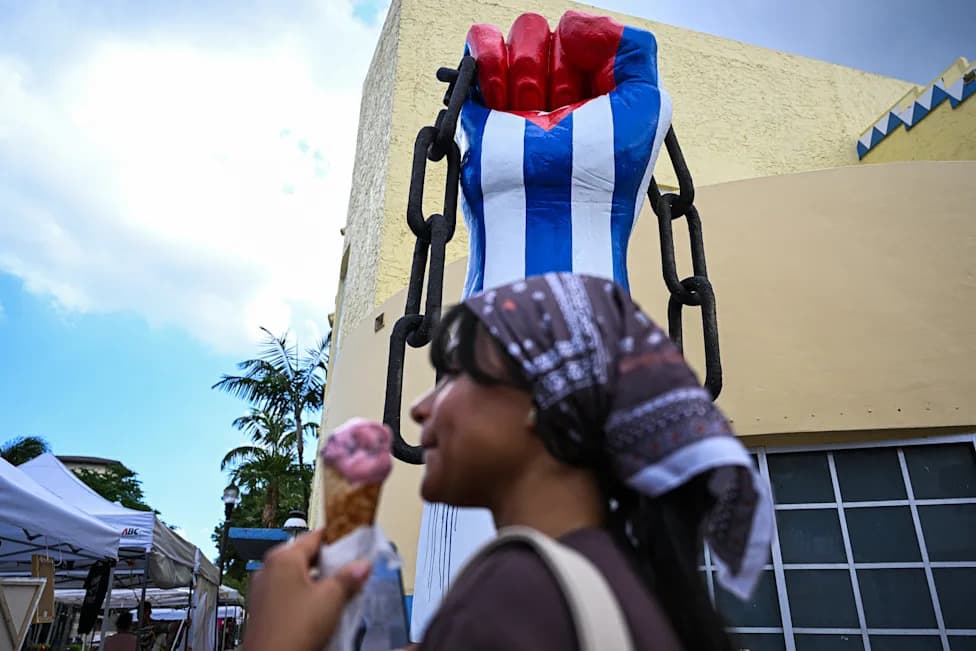
On Cuba, Han urged "the relevant country to immediately stop using threat of force against Cuba and immediately and completely lift the blockade and sanctions against Cuba." He linked Washington's pressure campaign to severe disruptions of oil deliveries that have strained Cuba's fuel supplies and contributed to a collapse of the national power grid earlier this month.
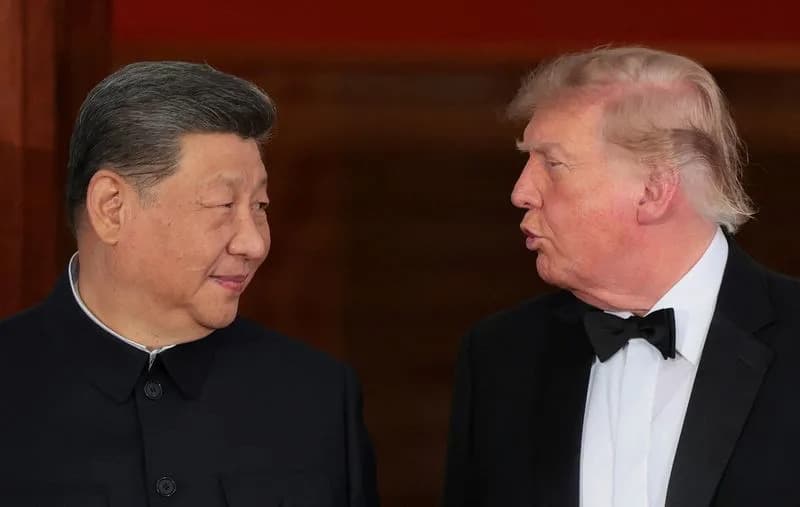
The speech contrasted with the warm display of hospitality given to Chinese leader Xi Jinping at the White House earlier in the week, where President Donald Trump hosted a state dinner and military flyovers. U.S. officials have said they warned Xi against providing support to Iran during recent talks in Washington; U.S. diplomats say they received reassurances from Beijing that China would not help Iran in ways that would escalate the conflict.
Reports circulated in recent weeks alleging that Beijing had supplied Iran with shoulder-fired air-defense missile launchers and that Tehran had used methods to evade oil sanctions with outside assistance. Han's address did not directly acknowledge those specific allegations but framed China as a defender of sovereign equality and multilateral consultation.
Throughout his speech, Han portrayed China as a reliable partner for developing nations, stressing that "all countries, big or small, are equal members of the international community, and that world affairs should be handled by all through consultation."
(Reporting by Antoni Slodkowski; Editing by Timothy Heritage)
Help us improve.