Mike Huckabee, a prominent conservative commentator, said in a NewsNation interview that "biblical illiteracy," foreign disinformation, and hostility toward religious believers have contributed to declining U.S. support for Israel. He dismissed accusations that Israel has committed genocide or functions as an apartheid state and urged Americans to "look at the truth." Recent polls from Pew and AP-NORC show growing unfavorable views of Israel among U.S. adults and substantial uncertainty about events in Gaza. The shifts have political implications as critics of Israeli policy have won notable local races and drawn international attention.
Huckabee Attributes Waning U.S. Support for Israel to 'Biblical Illiteracy,' Disinformation and Anti-Religious Hostility
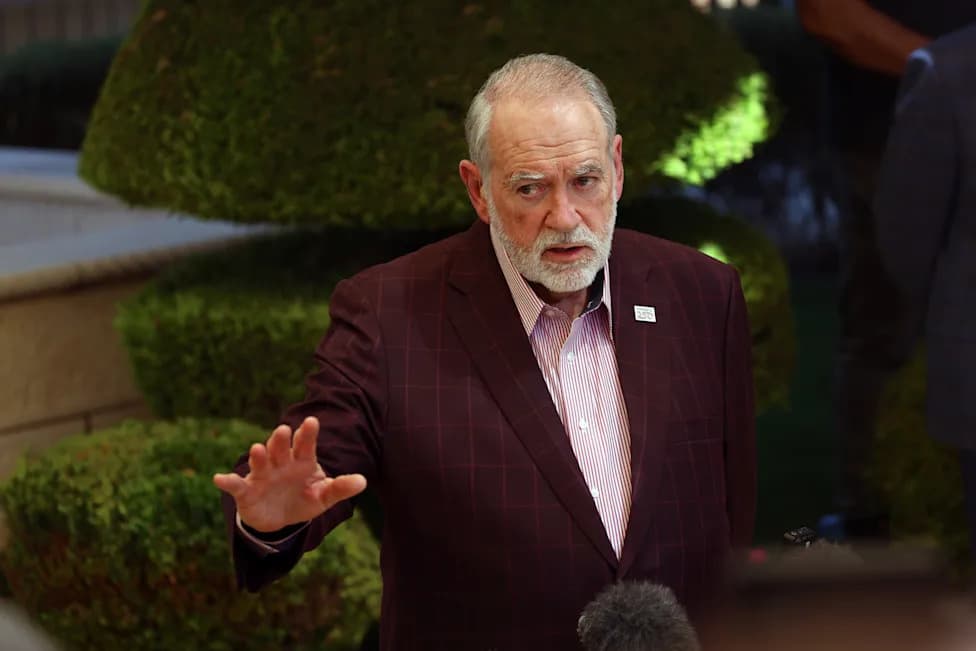
The US ambassador to Israel, Mike Huckabee, speaks to the media during his visit to the West Bank village of Turmus Aya, near Ramallah, on September 5, 2026 [Alaa Badarneh/EPA]
Mike Huckabee, the former governor of Arkansas and a prominent conservative commentator, told NewsNation that a growing lack of "biblical literacy" is one of three main reasons American public support for Israel has softened. In the interview he also cited foreign disinformation and what he described as increasing hostility toward people who express religious beliefs.
Huckabee said the combination of these factors has led many Americans to view Israel negatively. "You add all that together, I guess you just want to be mad at Israel and blame them for everything," he said.
"If people would look at the truth," Huckabee argued, "many of the accusations — including claims of genocide or that Israel is an apartheid state — would be seen as false, and Americans would view Israel more favorably."
Observers and pollsters emphasize that public attitudes are complex. A Pew Research Center poll in April found that 65% of white evangelicals held a favorable view of Israel, while 60% of U.S. adults overall reported an unfavorable opinion. An AP-NORC survey in July found that respondents who believed Israel committed genocide in Gaza outnumbered those who did not, although roughly half of Americans said they did not have enough information to judge.
Political Fallout and Reactions
Shifts in public opinion have political repercussions. Critics of Israeli government policy have won a number of local and national contests, drawing attention in both the United States and Israel. One New York politician cited in coverage, Zohran Mamdani, won a notable local race and has been a flashpoint in debates about accountability and the International Criminal Court; media reports note he at one point said he would attempt to push for ICC action against Israeli leaders if legally possible, before concluding the city lacked the authority to do so.
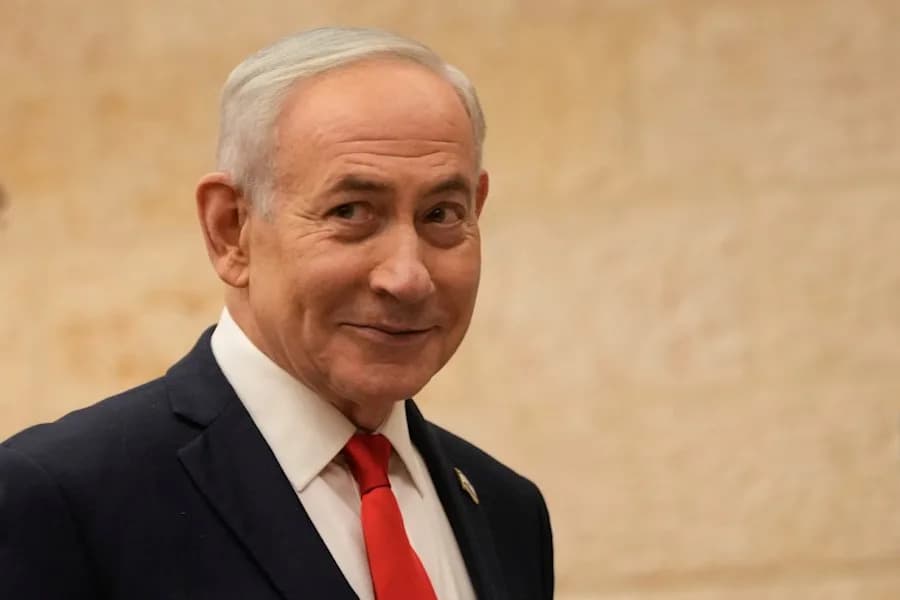
Israeli Prime Minister Benjamin Netanyahu criticized such figures during part of his speech at the United Nations General Assembly, saying some Jewish New Yorkers had told him they no longer felt safe. Netanyahu's standing among Americans has also weakened: the Pew survey found that more than half of U.S. adults did not trust him to do the right thing on world affairs.
This debate reflects broader tensions over how international events are framed in U.S. media and politics, and highlights the difficulty Americans face in assessing competing claims about Gaza, Israel, and allegations of human-rights abuses. Experts caution that public opinion is shaped by a mix of firsthand reporting, social media narratives, religious beliefs, and partisan lenses.
Help us improve.