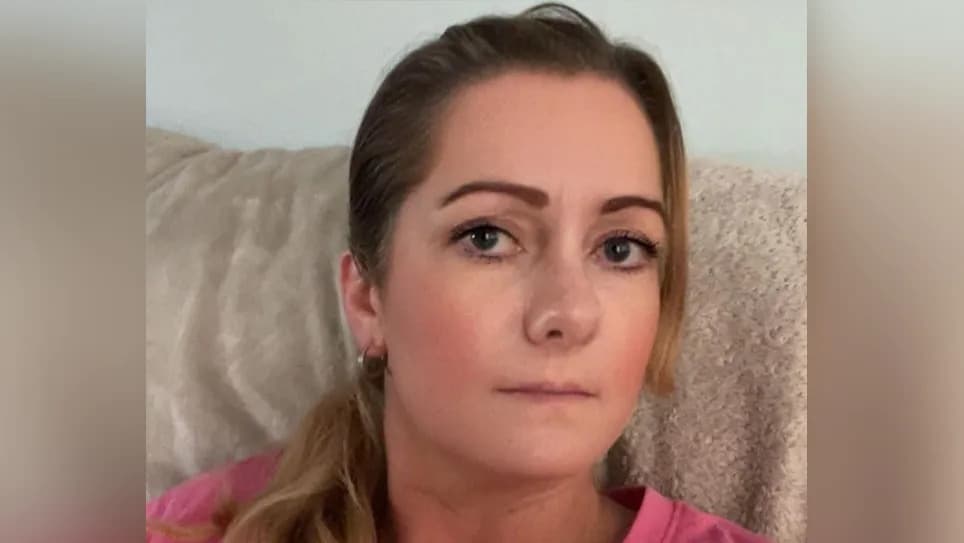
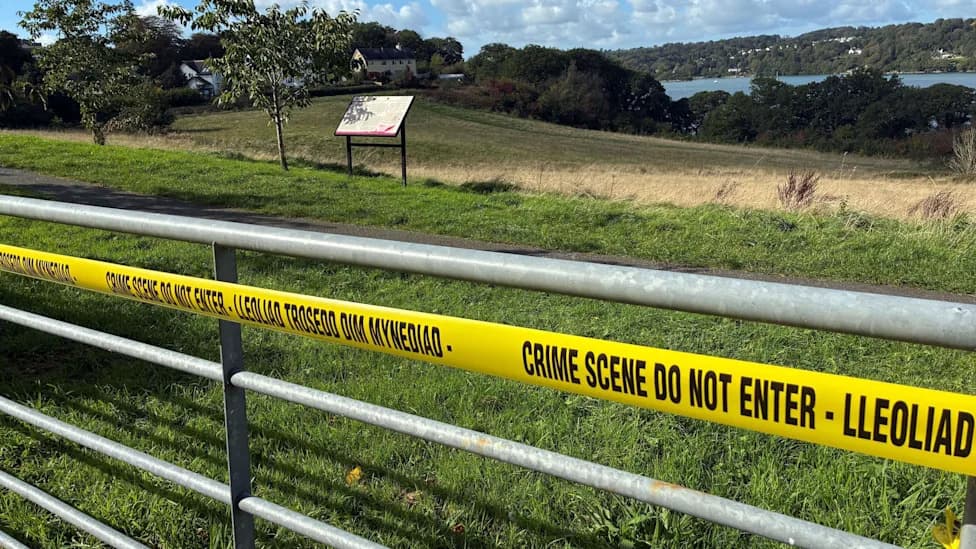
When Corrie Mckeague disappeared in September 2016, his mother Nicola launched the Find Corrie Facebook page, which grew to about 120,000 followers and mobilised volunteers known as "Corrie's Army." An inquest in 2022 concluded Corrie died after entering a Biffa bin that was then emptied into a waste lorry; his body has not been found. Nicola says social media sustained the search and pressured authorities, but also produced false leads, abuse and coordination challenges for police. Experts and recent guidance stress that while platforms can help keep cases visible, they require careful management to avoid harm.
Find Corrie: How Social Media Shaped a Decade-Long Search for Corrie Mckeague
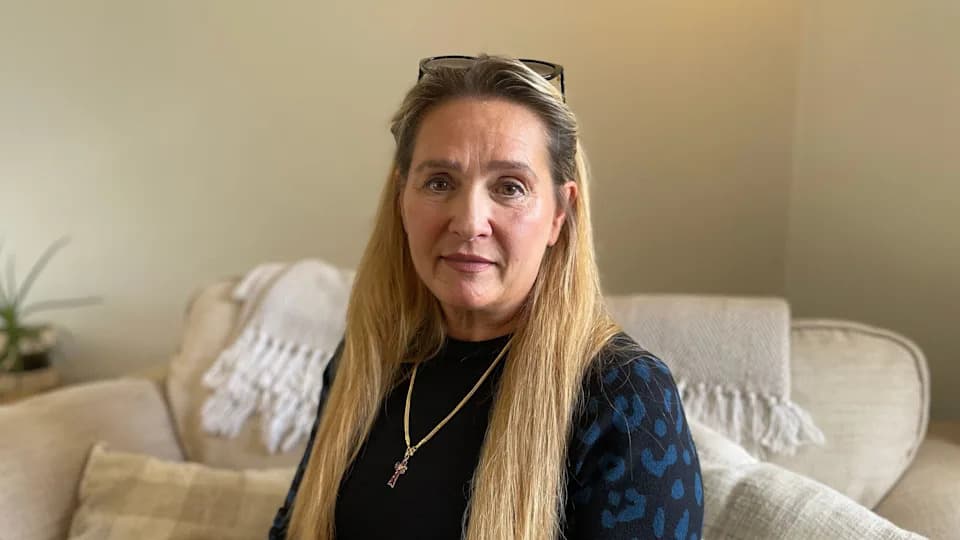
Corrie's mum Nicola Urquhart never stopped searching for her son [Laura Foster/BBC]
When RAF gunner Corrie Mckeague vanished from Bury St Edmunds on 24 September 2016, his mother, Nicola Urquhart, turned to the internet to try to keep the search alive. What began as a Facebook page — Find Corrie — quickly grew into a national campaign that highlighted both the strengths and pitfalls of social media in missing-person cases.
Background
Corrie, 23 at the time, became separated from friends after a night out. Nine months after his disappearance his partner gave birth to their daughter, Ellie. In 2022 an inquest concluded Corrie died after climbing into a Biffa waste bin that was then tipped into a refuse lorry; his body has never been recovered.
Social Media Takes Centre Stage
Nicola, a former police sergeant, used Facebook to publicise searches, share appeals and mobilise volunteers who came to be known as "Corrie's Army." The Find Corrie page grew to around 120,000 followers and individual posts — including one showing Nicola searching woodland — were shared hundreds of thousands of times.
"We wouldn't have had the investigation we did without the support we had from local people and over 100,000 people giving me a loud voice," Nicola told the BBC.
She credits social media with keeping the case in the public eye and forcing action when she felt the police were not listening. At the same time, she acknowledges it made coordination more difficult for investigators when large volumes of messages and tips arrived through platforms not designed for case management.
Police, Guidance and Lessons Learned
Suffolk Police closed the inquiry after the inquest and said it would only reopen if new, realistic and credible information emerges. The College of Policing has since advised forces to record the risks of not monitoring social media 24/7 and to plan for surges in online traffic.
Benefits — And Serious Drawbacks
Social platforms can sustain public attention after traditional media moves on, put a face to an appeal and mobilise volunteers quickly. But the open nature of those platforms also invites speculation, false leads and abuse. Nicola describes some responses as "overwhelmingly positive" while admitting there were "truly horrific" and fabricated tip-offs that caused distress.
Research underlines the risks: a University College London study reported that 68.5% of 44,935 UK adults surveyed had experienced some form of online abuse.
How Platforms Have Changed
When Corrie disappeared, Twitter had not yet been rebranded as X, and Douyin — the app that would become TikTok — had just launched in China four days earlier. Today TikTok reports over 30 million UK users and Facebook around 58.5 million, underscoring how much the social landscape has grown and how different a similar case might look today.
Final Reflections
Ten years on, Nicola says social media was "fantastic" for sustaining a search and building community, even if it complicated police work. The Find Corrie page continues to draw messages of support, keeping Corrie's memory alive and demonstrating both the power and peril of online engagement in missing-person investigations.
Additional reporting by Cleah Hetherington and Wayne Bavin.
Help us improve.