CPJ removed 20 names from its Israel–Gaza war casualty database after concluding new evidence showed those individuals had taken part in combat. The review — covering deaths from October 2023 to August 2026 — also resulted in several reclassifications and six reinstatements as work-related deaths. An external audit found CPJ applied its criteria correctly but recommended clearer documentation on how combat involvement is determined. CPJ emphasized that affiliation with militant groups alone does not automatically exclude someone who was acting as a civilian journalist.
CPJ Removes 20 Gaza Names From War Casualty List After New Evidence of Combat Roles
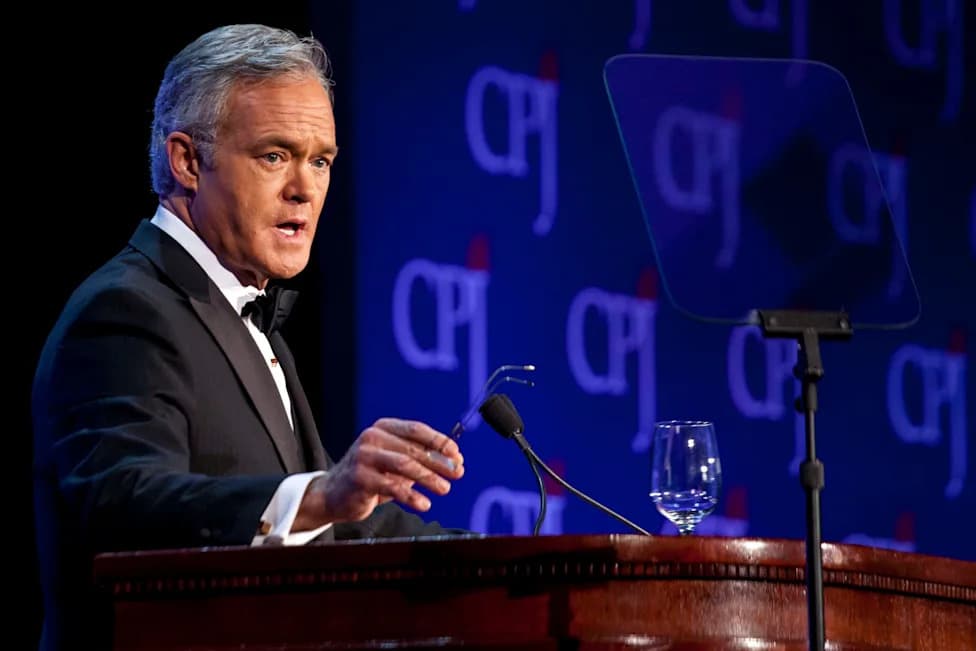
Scott Pelley of CBS, hosts the Committee to Protect Journalists
The Committee to Protect Journalists (CPJ) announced on Thursday that it removed 20 people from its database of journalists and media workers killed in the Israel–Gaza war after new evidence showed those individuals had taken part in combat.
CPJ said the review examined its records of journalists and media workers killed between October 2023 and August 2026. The organization launched the reassessment in June after obituaries published by Hamas and Palestinian Islamic Jihad identified several people CPJ had previously listed as journalists as combatants.
Following the review, CPJ's updated records show:
- 20 people were removed after new research established they had engaged in hostilities.
- Three names were removed after being determined not to be journalists or media workers; one individual fell into both categories.
- Six people were reinstated after CPJ concluded their deaths were work-related, including Assaad Shamlakh.
- Several individuals were reclassified between the "journalist" and "media worker" categories — notably Ahmed Abu Mhadi was changed from "journalist" to "media worker."
CPJ said it did not change its definition of who qualifies as a journalist or media worker. Instead, researchers applied the group's existing standards to newly obtained evidence: published reporting, social-media posts, photographs, videos and other material. When fresh information emerged, CPJ sought to speak with at least two additional sources who knew the deceased; the organization said it succeeded in obtaining two or more corroborating sources in 220 of the 229 cases reviewed.
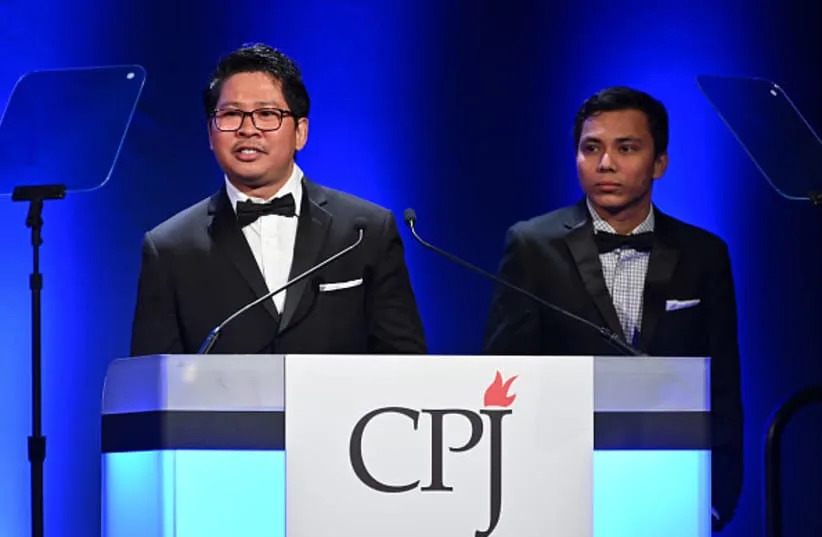
ournalists Wa Lone (L) and Kyaw Soe Oo speak onstage at the Committee to Protect Journalists' 29th Annual International Press Freedom Awards on November 21, 2019 in New York City. (credit: Dia Dipasupil/Getty Images)
An external audit commissioned after the first phase of the review found no evidence that CPJ had removed or retained individuals in violation of its stated criteria. The auditor recommended greater clarity about how CPJ determines whether someone was engaged in combat and identified areas where documentation and methodology could be improved.
CPJ reiterated that simple affiliation with a militant organization is not, by itself, sufficient to exclude someone from its casualty records if evidence shows the person was acting as a civilian journalist and not directly participating in hostilities. Under CPJ's long-standing policy, however, people found to have engaged in combat are excluded from its casualty data.
The review follows months of scrutiny over classifications of Gaza-based journalists and media workers. CPJ's annual report earlier this year recorded a record 129 journalists and media workers killed in 2025, most of which CPJ attributed to Israeli forces — a figure disputed by the Israel Defense Forces (IDF). Other press organizations have also revisited casualty lists: in August, Reporters Without Borders removed Gaza-based names after information linked some individuals to militant groups.
Criticism: HonestReporting, a media watchdog, sharply criticized CPJ's conclusions, arguing that operatives have posed as journalists and that CPJ has been too willing to accept their status as media workers. CPJ responded that its determinations were based on whether individuals met its definitions and standards, not on political views or affiliations, and said the internal review and external audit supported its application of those standards.
Photocaption: Journalists Wa Lone (L) and Kyaw Soe Oo at the Committee to Protect Journalists' 29th Annual International Press Freedom Awards in New York City, November 21, 2019. (Credit: Dia Dipasupil/Getty Images)
Help us improve.