The estate of NASCAR driver Greg Biffle has moved to dismiss wrongful-death suits filed by the estates of pilots Dennis and Jack Dutton after a Dec. 18, 2025 Citation crash that killed seven. The NTSB’s preliminary report documents instrument and electrical anomalies and a cockpit voice recorder dropout during the critical minutes. Because North Carolina applies pure contributory negligence, any finding that pilot conduct contributed to the crash could bar recovery entirely; both sides are already assembling expert evidence while the federal probe continues.
Biffle Estate Blames Pilots; North Carolina Law Could Bar Recovery in Cessna Citation Crash

A Cessna 550 Citation II, the same model involved in the Statesville crash (not the accident aircraft). Photo: Quintin Soloviev via Wikimedia Commons, CC0
Nine months after a Cessna Citation crashed short of Statesville Regional Airport, the litigation over who is to blame has settled into familiar adversarial lines: each side accuses the other. The estate of NASCAR driver Greg Biffle has moved to dismiss wrongful-death suits brought by the estates of pilots Dennis and Jack Dutton, arguing the Duttons’ actions — not the aircraft’s maintenance — caused the accident.
What the Preliminary Record Shows
The National Transportation Safety Board (NTSB) preliminary report for investigation WPR26MA063 is the most informative public document to date, though it does not assign probable cause. Key factual details in the report include:
- On December 18, 2025, the Cessna 550 Citation II (N257BW) crashed while on approach to Statesville, killing seven onboard: Greg Biffle, his wife Cristina, their children Emma and Ryder, pilots Dennis and Jack Dutton, and passenger Craig Wadsworth.
- The left engine required more than one start attempt at departure and the crew discussed a thrust-reverser indication before takeoff.
- Shortly after departure the crew reported instrument problems, beginning around 10:10 a.m.; the cockpit voice recorder (CVR) audio drops out from 10:10:14 to 10:14:05, exactly during the period of reported instrument anomalies.
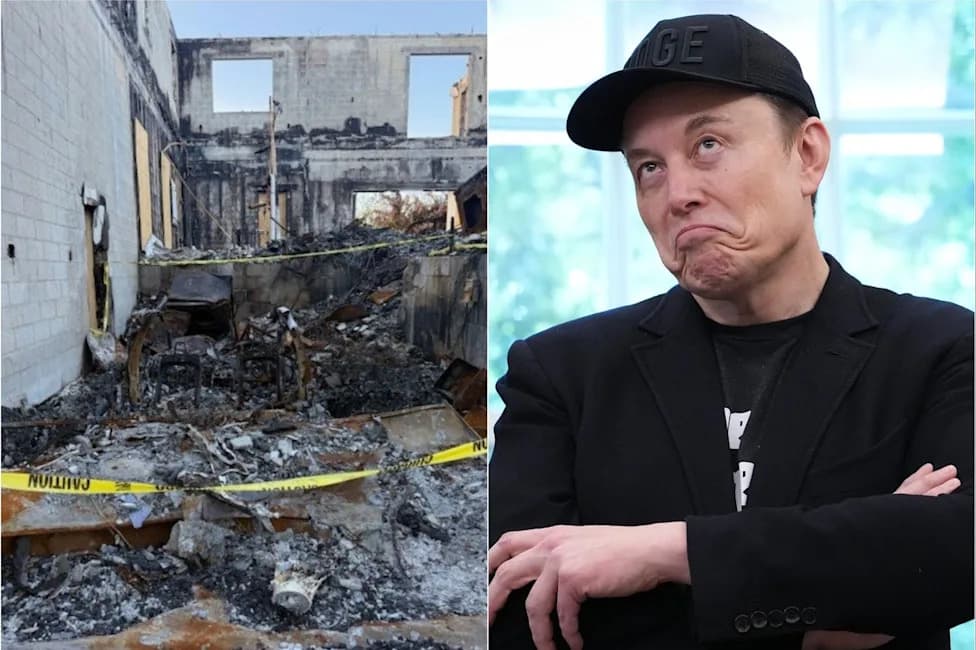
- The aircraft struck approach lights approximately 1,380 feet short of runway 28, clipped trees about 12 feet above the ground, and came to rest in the overrun where a post-impact fire consumed the fuselage.
- Wreckage examination found both engines showed fan-blade damage consistent with rotation at impact and both thrust reversers were stowed — findings that, so far, are more consistent with instrument or electrical problems than an uncontained engine failure.
Pilot Qualifications And A Crucial Limitation
The NTSB credited Dennis Dutton with roughly 17,000 flight hours and with multiple type ratings, including the CE-500 family (Citation). Critically, his CE-500 rating carried a restriction: "Second in Command Required." That limitation means the aircraft could only be flown with a qualified second pilot unless the pilot had completed specific single-pilot training and checks.
Jack Dutton occupied the right seat. He was a private pilot with about 175 hours, all in single-engine airplanes, and an instrument rating. The NTSB states he did not meet the regulatory requirements under 14 CFR 61.55 to act as second in command on a multi-engine, type-rated jet: the rule requires appropriate category/class ratings, aircraft-specific familiarization, and recent logged takeoffs, landings and relevant procedures in type.
Greg Biffle was a passenger in the cabin and held private certificates and multi-engine, instrument and helicopter ratings, with roughly 3,500 hours reported in the preliminary record.
Why North Carolina Law Is Central
Most U.S. jurisdictions apply comparative fault, where a plaintiff’s recovery is reduced by their share of responsibility. North Carolina is among a small number of jurisdictions that still apply pure contributory negligence: if a plaintiff contributed to their own injury in any legally meaningful way, they may be barred entirely from recovery.
In wrongful-death litigation an estate "stands in the shoes" of the decedent. If a court ultimately finds that the pilot in command breached the limits of his rating or that crew performance materially contributed to the crash, the Dutton estates could face an all-or-nothing defense rather than a proportional reduction of damages. North Carolina law does provide exceptions (for example, last-clear-chance and gross negligence), which is why plaintiffs often plead heightened theories like "reckless" conduct.
Procedural Posture And Evidence Strategy
The Biffle estate’s motion to dismiss challenges the legal sufficiency of the Dutton estates’ complaints. A motion to dismiss tests whether a complaint states a claim on its face, not whether the defendant is factually correct; denial does not decide the merits, and a grant can sometimes be followed by an amended complaint.
Separately, federal law generally bars the NTSB’s probable-cause findings from being admitted as proof of liability in civil suits (49 U.S.C. § 1154(b)). Parties can, however, introduce factual materials developed during the NTSB investigation by other means. That statutory exclusion helps explain why both sides are already assembling independent avionics, electrical-system and human-factors experts rather than waiting for the final NTSB report, which the Board typically issues 12–24 months after an accident.
Insurance, Ownership Structures And Broader Takeaways
Many aircraft are owned by LLCs or other corporate entities for liability and tax reasons. But placing an airplane in an LLC does not remove questions about the owner’s role in ensuring airworthiness — the central theory in the Dutton estates’ claims. Insurance policies commonly list approved pilots and set minimum experience and ratings; a crew outside those terms can jeopardize coverage and leave an estate exposed.
At nine months after the crash, the legal contest centers on competing allegations, an incomplete federal investigation, and a state-law rule that makes pilot conduct unusually dispositive. Expect protracted discovery, expert battles over avionics and electrical evidence, and further dispositive motion practice before any trial.
Note: Nothing in this article is a determination of fault. The NTSB has not issued a probable cause finding, and all claims remain allegations until proven in court.
Featured image: Greg Biffle. Photo by Raniel Diaz via Wikimedia Commons, CC BY 2.0.
Help us improve.