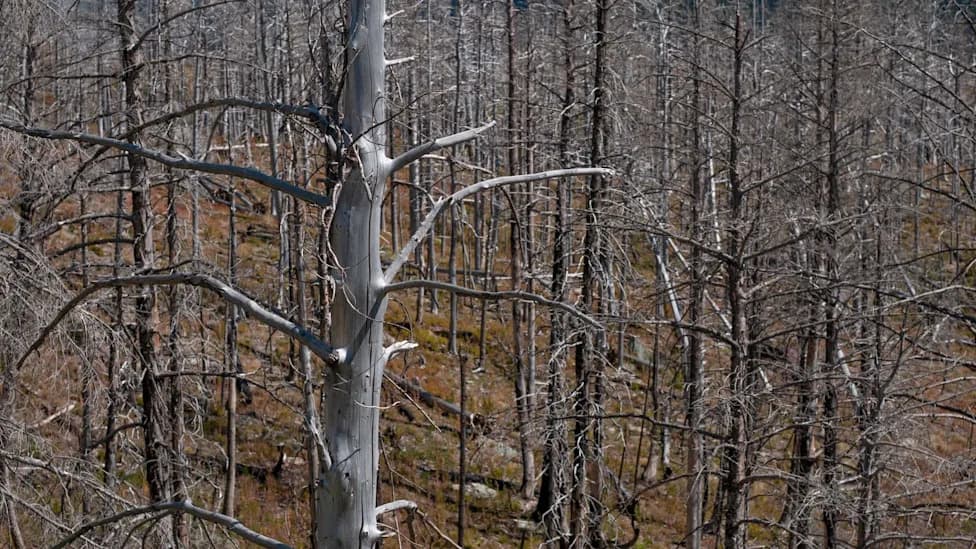
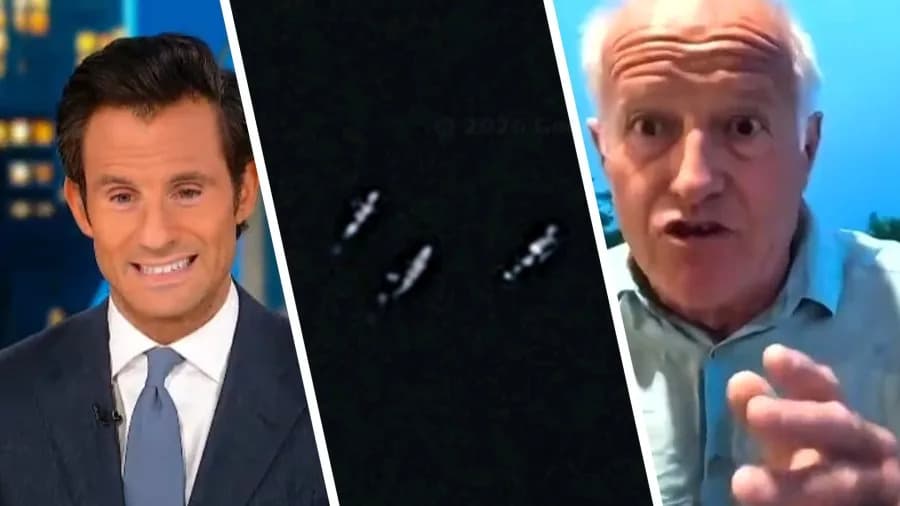
A slab of forest — trees, soil and moss — was photographed floating on Williston Lake in northern British Columbia. BC Hydro initially suspected an AI hoax, but satellite imagery confirmed a roughly 460 ft × 230 ft (about 140 m × 70 m) mass. A U.K. hobbyist tracked the formation to the Ospika Arm, where officials say it drifted roughly 30 km (19 miles) in about 15 days. Experts believe decomposing logs and debris formed the buoyant platform, freed when reservoir levels rose; authorities warn against stepping onto it.
Floating Forest on Williston Lake — Dismissed as an AI Hoax, Then It Drifted 19 Miles
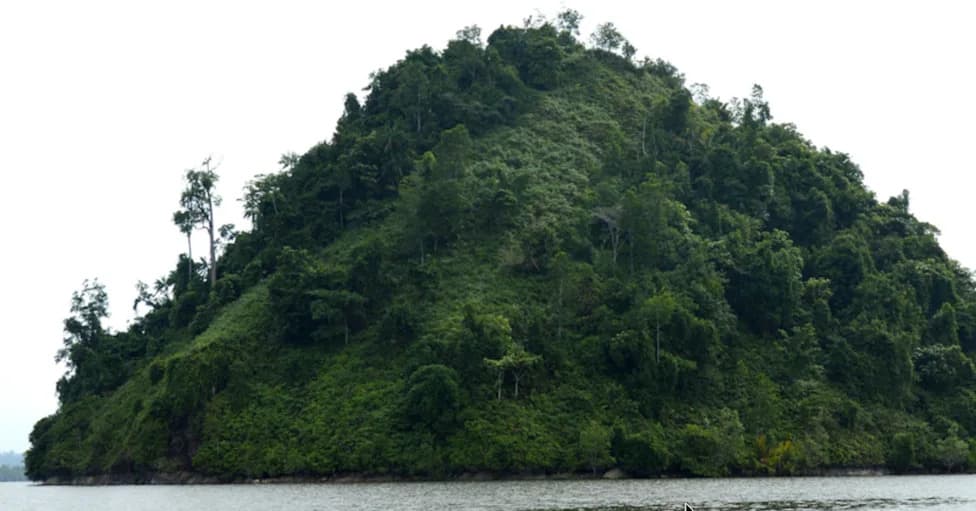
Representative image of a floating island.
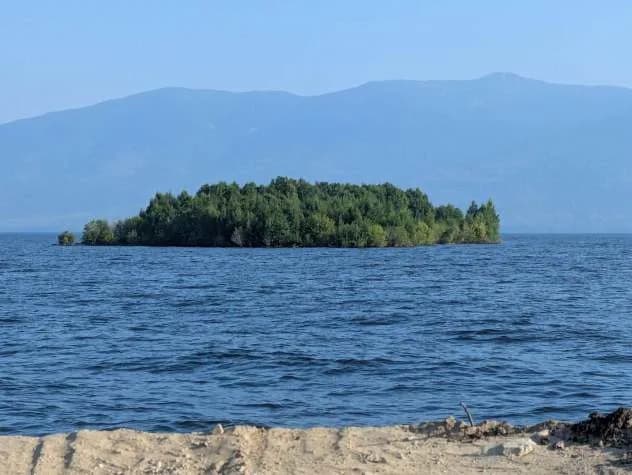
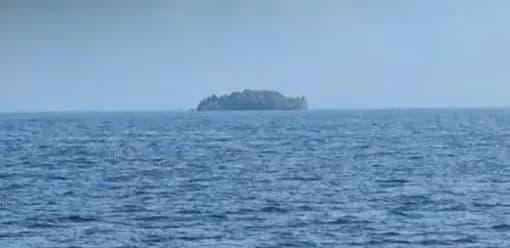
A boater on Williston Lake in northern British Columbia captured an astonishing sight: a slab of forest — soil, moss and mature trees — floating free in one of the world's largest reservoirs.
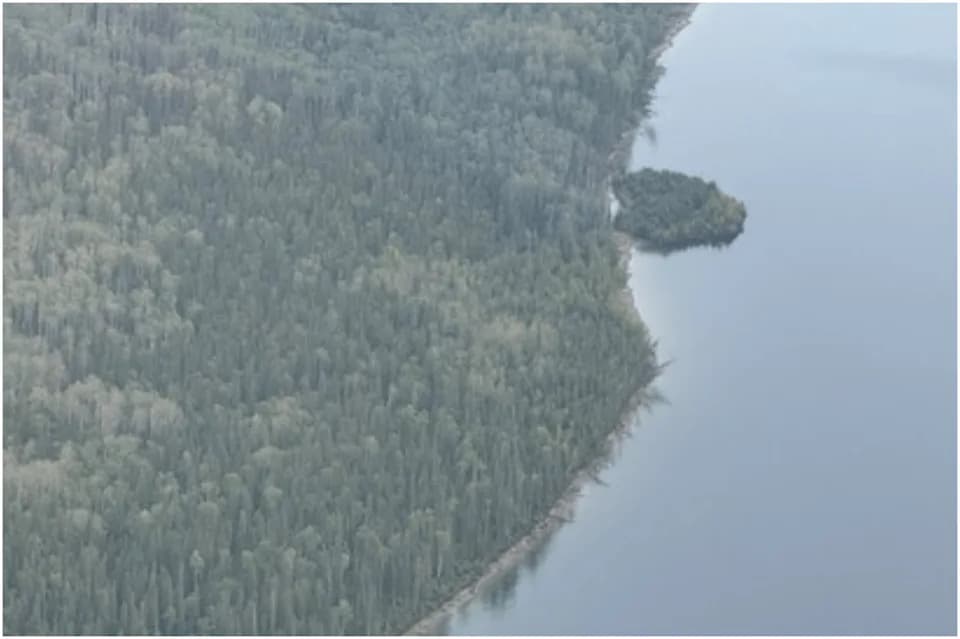
BC Hydro, the utility that operates the reservoir, initially treated the photos and video with skepticism. In an era of convincing AI-generated images, officials wanted to verify the claim before accepting it. When satellite imagery was consulted, the formation was visible there as well.
Measured at roughly 460 feet long and 230 feet wide (about 140 m by 70 m), the floating mass was roughly the size of two football fields. Local resident Rocky Avery, who obtained and shared the images, called it a once-in-a-lifetime sight: 'It was a pretty amazing sight to see, never seen anything like that in my 40 years in this country,' he told reporters.
How It Moved
By the time people attempted to visit the feature, it was no longer at its original location. Williston Reservoir spans about 250 km north-to-south and 125 km east-to-west, making a manual search difficult. Unexpected help came from a hobbyist in the U.K.: Finlay Farquhar, a radio engineering assistant, used freely available satellite imagery to track the floating forest to the shoreline of the Ospika Arm.
BC Hydro later confirmed the formation had not disappeared but had drifted approximately 30 km (about 19 miles) in roughly 15 days.
Where It Came From — And Why It’s Dangerous
BC Hydro spokesman Bob Gammer offered a plausible explanation: logs and woody debris likely accumulated in a sheltered cove and decomposed over time into a buoyant mat capable of supporting plants, moss and eventually trees. A recent rise in reservoir levels — the lake had filled to capacity for the first time in 14 years — may have lifted that anchored debris, setting it adrift.
BC Hydro cautioned that the formation is made of rotting logs and decomposing material and would not safely support a person. Officials encourage people to view it by boat or drone only.
As might be expected, the internet responded with humor and dares. One YouTube commenter joked, 'If it can hold a tree, it can hold me. We ride at dawn.' Authorities strongly discourage anyone from attempting to board the floating forest.
Note: The sighting was widely shared online and covered by multiple outlets; this summary consolidates official statements from BC Hydro, firsthand accounts and satellite verification reported by observers.
Help us improve.