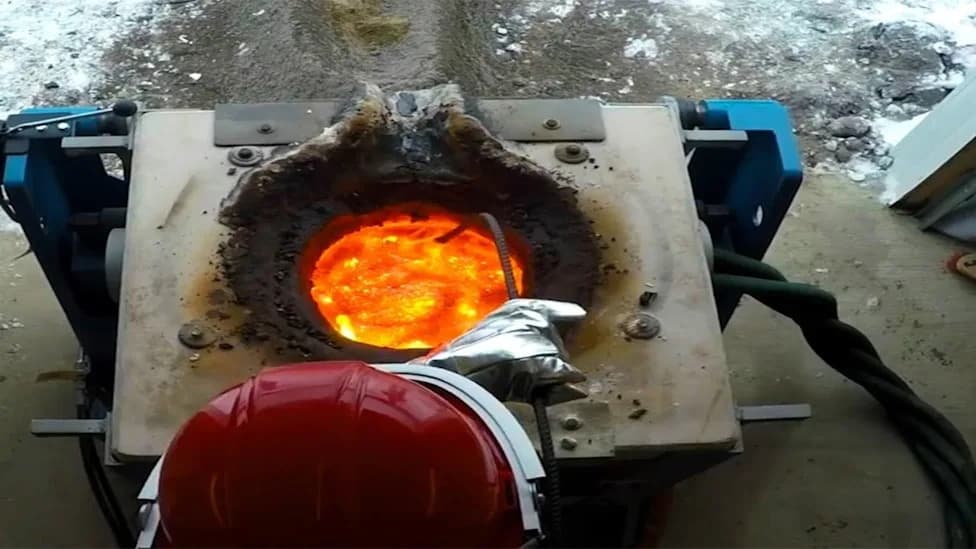
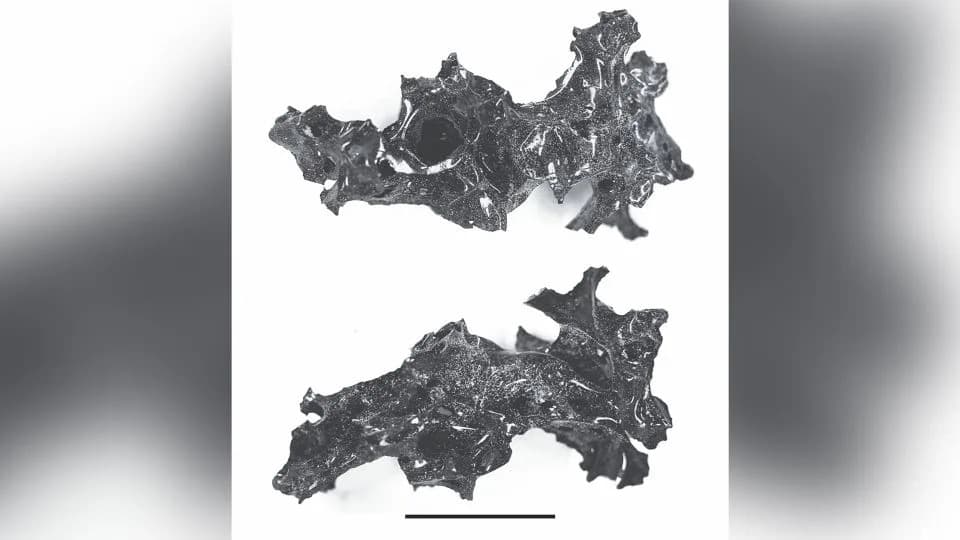
Incendiamoeba cascadensis, a eukaryotic "fire amoeba," was found to feed and reproduce at 63°C (145°F), raising the documented upper limit for complex-cell growth by six degrees. Collected at Lassen Volcanic National Park (2023–2025), the amoeba remains active near 64°C but forms a dormant cyst at ~70°C. Gene-expression and protein analyses indicate increased DNA-repair and protein-stability pathways at higher temperatures. Researchers plan broader surveys to identify the adaptations that enable this heat tolerance.
Tiny 'Fire Amoeba' Raises Heat Ceiling For Complex Life To 63°C (145°F)
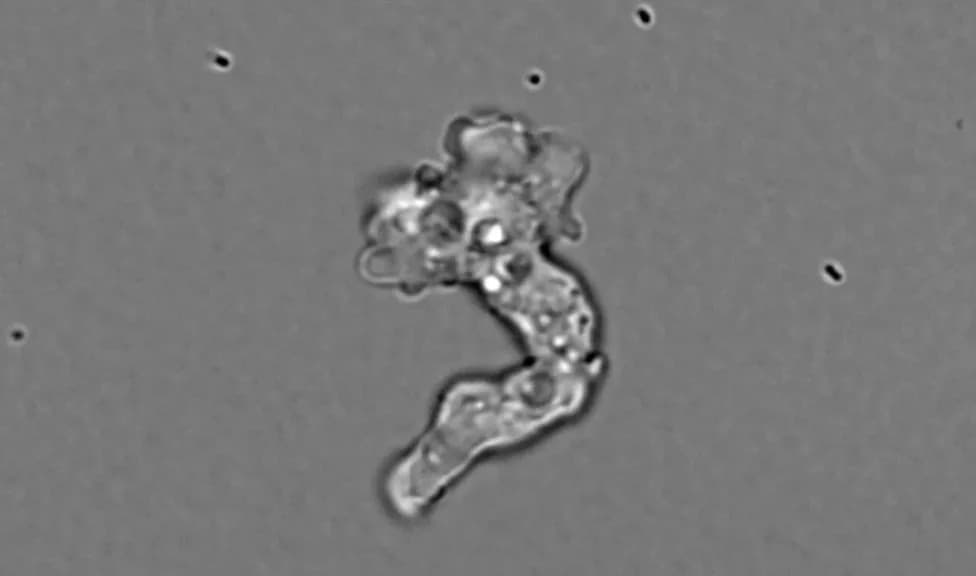
Incendiamoeba cascadensis seen at 55 degrees Celsius. © Beryl Rappaport
Incendiamoeba cascadensis, nicknamed the “fire amoeba,” is a newly described eukaryote that actively fed and reproduced at 63°C (145°F), extending the known upper limit for complex-cell growth by six degrees.
Discovery and Context
Researchers from Syracuse University recovered the organism from geothermal streams at Lassen Volcanic National Park in California’s Cascade Range during field seasons in 2023–2025. The team, led by biologist Angela Oliverio with graduate researcher Beryl Rappaport, initially found an unknown amoeba capable of growth near 57°C and then tested its limits under controlled laboratory conditions.
What the Experiments Showed
At 63°C the amoeba actively fed and divided; at roughly 64°C (147°F) it remained biologically active though close to functional limits. When temperatures were raised to about 70°C (158°F), the cell stopped dividing, changed shape and formed a thick protective cyst, entering a dormant state from which it could later revive. That distinction is important: the new record documents active eukaryotic growth and reproduction at 63°C, not mere survival inside a protective cyst.
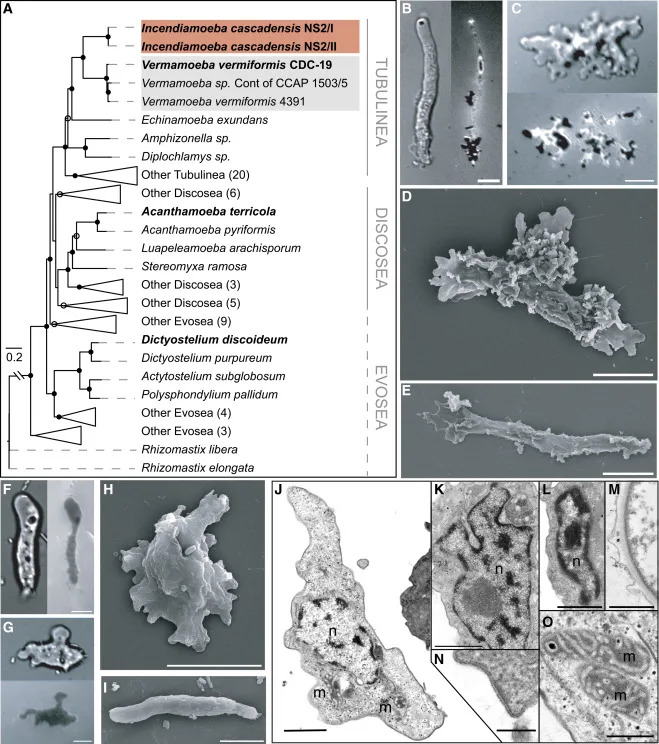
Figure 1 Establishment of Incendiamoeba cascadensis, a novel genus and species within Amoebozoa
Molecular Clues to Heat Tolerance
Comparisons of gene-expression profiles at 48°C and 61°C revealed that the amoeba increases activity in pathways tied to maintaining cellular integrity and repairing DNA as temperatures climb. Protein analyses also showed stability mechanisms similar to those found in heat-tolerant bacteria, suggesting the organism ramps up repair and stabilization rather than merely passively enduring heat. These parallels raise the possibility of convergent evolutionary solutions to thermal stress, though the precise biochemical mechanisms remain under investigation.
Implications and Next Steps
Oliverio’s group plans broader surveys of geothermal sites to determine how widespread I. cascadensis is and to compare it with closely related amoebae that cannot tolerate comparable temperatures. Those comparisons should help identify specific adaptations that enable high-temperature growth and reveal whether similar traits evolved independently in multiple eukaryotic lineages.
Astrobiology Note: If complex microbial life can grow at temperatures previously considered prohibitive, the range of environments to search for biosignatures expands. This implication is speculative and does not imply any evidence of life beyond Earth.
Study citation: Results reported by the Syracuse University team were published in Cell (September 2026).
Help us improve.