Researchers surveying three Okinawa beaches discovered a hybrid material dubbed plasticoral, formed when softened plastic fused with broken coral. Four collected specimens (1.5–3.5 inches) contained polyethylene and polypropylene and showed plastic penetration into coral pores, confirmed by Raman spectroscopy, microscopy and specialized X‑ray imaging. Scientists say plasticoral is a form of plastiglomerate that could become part of future sediments; formation processes and ecological impacts remain unclear, prompting calls for more research and stronger limits on plastic pollution.
Scientists Find 'Plasticoral' — Plastic Fused Into Coral on Okinawa Beaches
Photo Credit: iStock
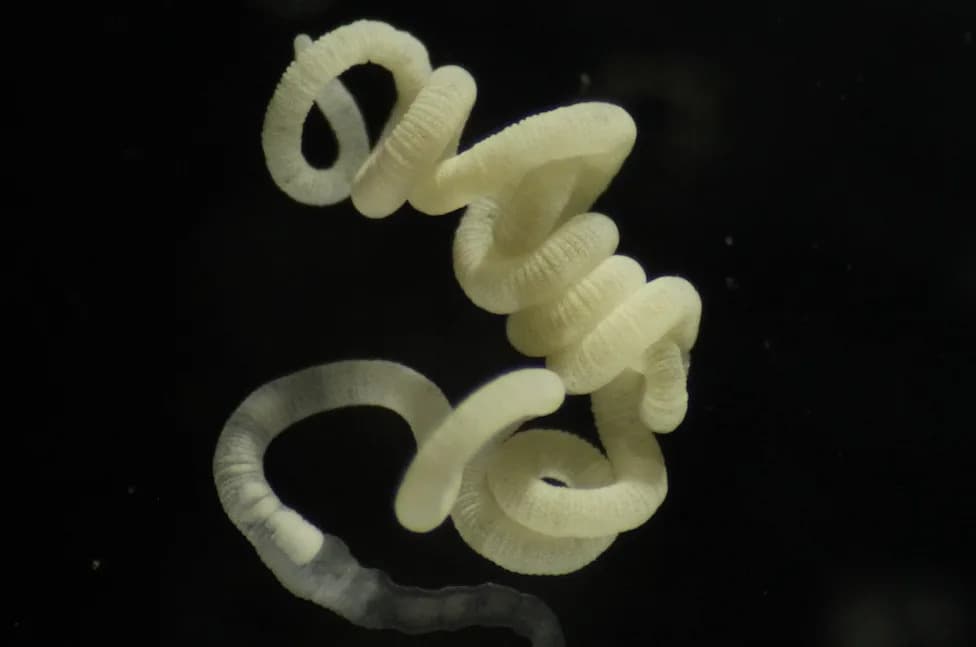
Researchers conducting routine shoreline surveys on three beaches in Okinawa, Japan, discovered an unexpected form of pollution: pieces of plastic that had softened, distorted and fused with broken coral to create a hybrid material the team calls plasticoral.
Survey teams reported five occurrences across Sosu, Ibu and Odo beaches. Of those, four specimens were collected and analyzed; each measured roughly 1.5 to 3.5 inches (about 4–9 cm) long and showed the plastic bonded to coral rather than merely resting on it.
The research team used Raman spectroscopy to identify the polymers and combined high‑magnification microscopy with specialized X‑ray imaging to reveal that the plastic had penetrated tiny pores in the coral skeleton, forming a fused structure. Laboratory tests identified the plastics as polyethylene and polypropylene, two common consumer polymers.
Scientists describe plasticoral as a type of plastiglomerate — material created when melted or altered plastic becomes physically incorporated with natural sediments or substrates such as sand, rock or coral. Because the plastic appears embedded in coral pores, the researchers warn this material could become part of future sediment layers, creating a long‑lasting record of plastic pollution and complicating cleanup and restoration efforts.
The authors published their findings in Marine Pollution Bulletin and noted that the small sample size does not prove widespread contamination of Okinawa beaches; it simply confirms plasticoral exists there. Basic questions remain unanswered: the precise formation mechanisms are unclear (heat is likely a factor) and the direct ecological impacts on live coral and marine animals have not yet been established.
Implications and Next Steps
The discovery highlights how plastic pollution can be less visible and harder to remove than loose debris. The researchers call for further study to determine how frequently plasticoral occurs, what processes create it, and whether embedded plastics pose direct risks to reef ecosystems. Meanwhile, the finding adds urgency to broader calls for limits on plastic production and better waste management to reduce long‑term environmental damage.
Reported sources include the study in Marine Pollution Bulletin and media summaries such as Earth.com.
Related concerns include microplastics accumulating in reefs, buried beach plastics that escape casual observation, and floating debris that can transport invasive species — all issues that compound the challenges of marine conservation.
Help us improve.