Study: The Norman Lear Center and Project Sleep reviewed 56 Hollywood productions (1983–2025) and found 80% used narcolepsy as a recurring joke. Findings: 68% of 41 on-screen characters with narcolepsy were portrayed as unreliable, and about 82% featured exaggerated, medically inaccurate "sleep attacks." Impact: Experts and patients say these caricatures promote stigma and may discourage people from seeking diagnosis or treatment. Recommendation: Writers should consult sleep specialists and patient groups to create more accurate, respectful portrayals.
Hollywood’s Narcolepsy Problem: New Report Warns That Laugh Lines Can Harm Patients
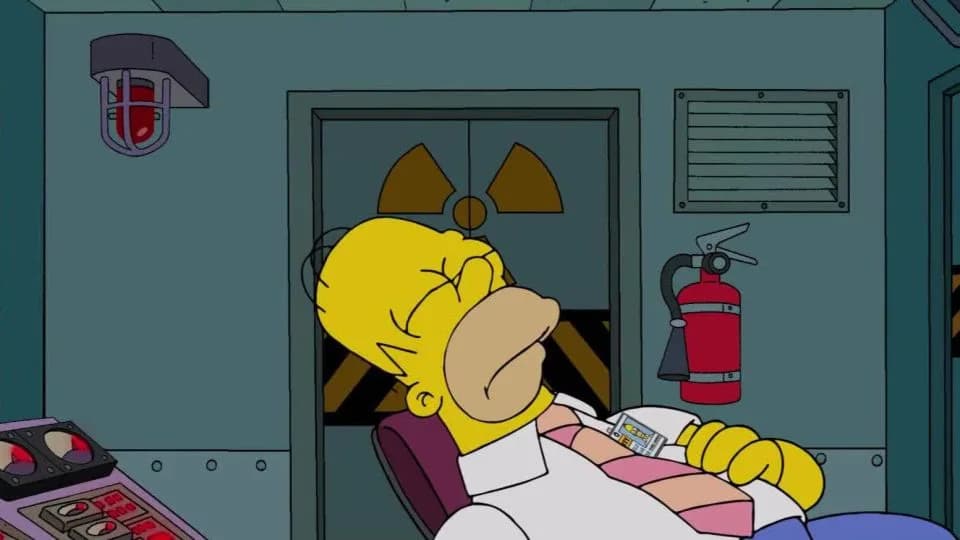
homer simpson narcolepsy season three mss orig_00002408.jpg - The Simpsons
Films and TV shows often turn narcolepsy — a chronic neurological disorder marked by overwhelming daytime sleepiness and episodes of cataplexy — into a punchline, a new analysis finds. The portrayals can be wildly inaccurate and stigmatizing, experts warn, shaping public perception and even discouraging people from seeking diagnosis or treatment.
What the Report Found
The Norman Lear Center at USC Annenberg and advocacy group Project Sleep reviewed 56 Hollywood productions released between 1983 and 2025 in a study titled "A Representation Wake-up Call: Narcolepsy in Fictional Narrative Entertainment." Their key findings:
- 80% of the works treated narcolepsy as a recurring joke or running gag.
- Of 41 characters portrayed with narcolepsy, 68% were framed as incapable or unreliable.
- Roughly 82% of portrayals showed exaggerated, physically implausible "sleep attacks" — sudden backward falls, instant snoring mid-conversation, or slapstick collapses into food.
Real People, Real Consequences
Candi Wilmot, who has type 1 narcolepsy, described taking her 9-year-old daughter to the 2025 live-action Snow White, only to see the dwarf Sleepy labeled "narcoleptic cataplexic" and shown as a cartoonish figure who dozes off, snores loudly, and repeatedly topples over. "My daughter asked me, 'Mom, if you stop taking your meds, would you be like that?'" Wilmot said. "She worried other kids would think people with narcolepsy are dangerous or careless."
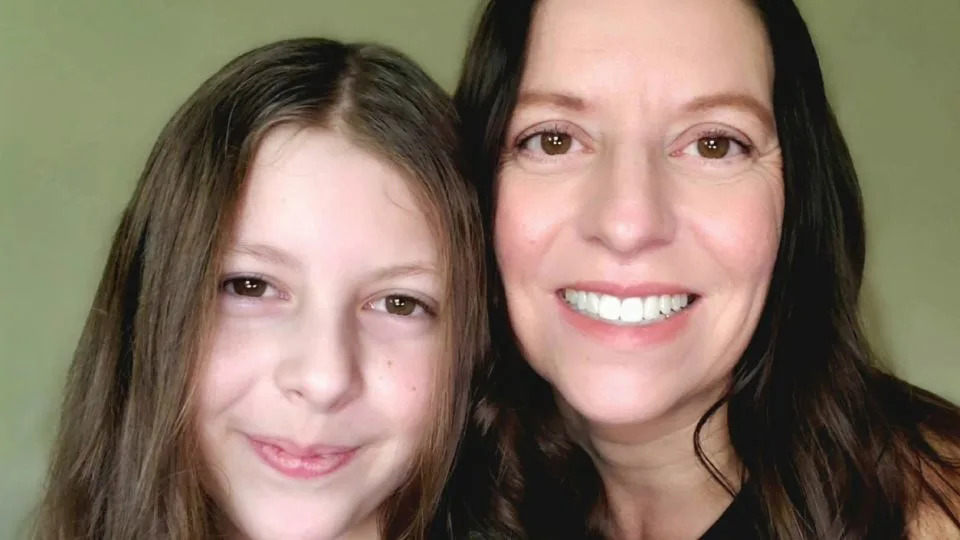
Adeline (left) and Candi Wilmot - Candi Wilmot
"When medical conditions are portrayed inaccurately, those of us living with them have to deal with the misunderstandings afterward." — Candi Wilmot
Examples From Screen
The report calls out multiple high-profile examples where narcolepsy is played for laughs or used carelessly: Snow White (2025), an episode of Scrubs, the 1999 comedy Deuce Bigalow: Male Gigolo, Netflix’s The Recruit, and even a 2026 episode of the acclaimed medical drama The Pitt. By contrast, The Simpsons (2015) and a few other productions — The Mysterious Benedict Society, the films Wake (2023) and CODA, and older depictions such as Hill Street Blues (1983) — are highlighted as more accurate or thoughtful portrayals.
Why Accuracy Matters
Experts say the common on-screen tropes are misleading. Narcolepsy’s incapacitating fatigue usually builds gradually and can often be managed with treatment; cataplexy causes sudden muscle weakness but does not typically produce cartoon-style collapses. Misrepresentation fuels stigma at work, school, and in social settings and can lead people to dismiss symptoms rather than seek medical help.
Recommendations For Creators
- Consult sleep-medicine specialists and patient advocates when writing characters with narcolepsy.
- Avoid relying on slapstick or single-joke portrayals; show the disorder’s complexity and real-life impact.
- Include realistic diagnostic details when relevant — the story can remain engaging without resorting to harmful stereotypes.
The report argues that thoughtful collaboration between writers and medical experts can preserve humor without denigrating people who live with real conditions. For audiences and creators alike, the takeaway is clear: entertainment can be funny and humane — and accurate.
Help us improve.