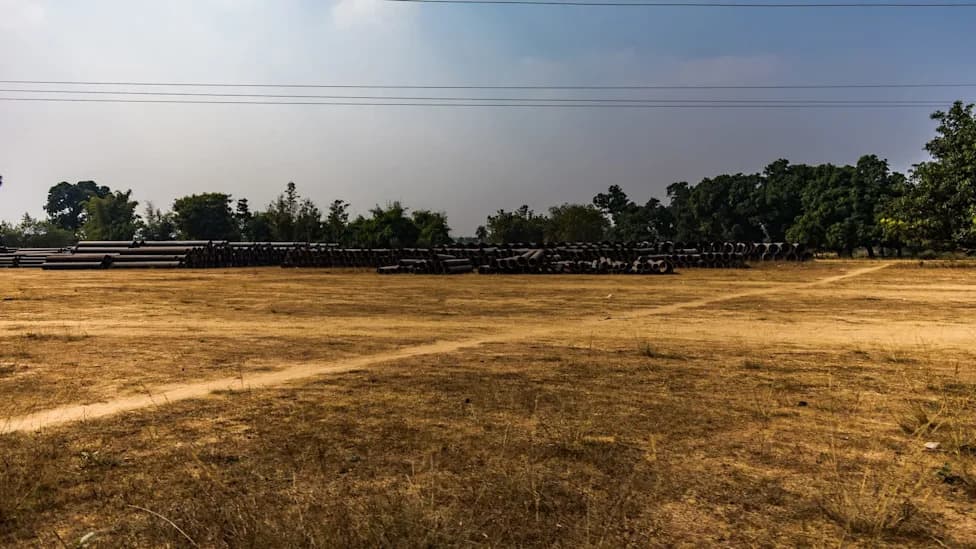
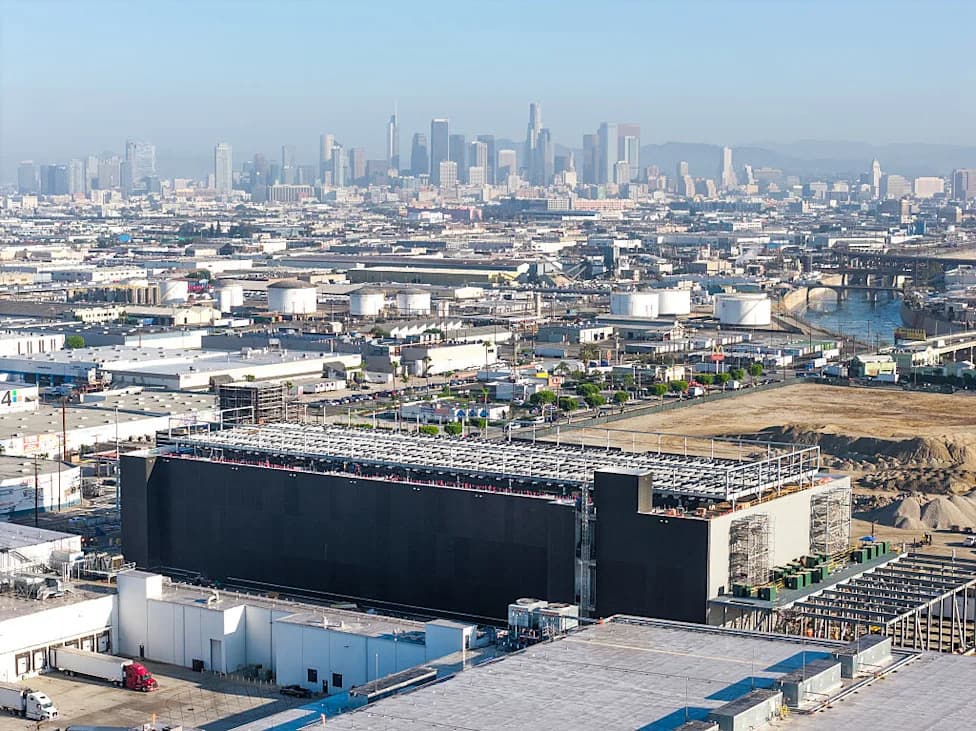
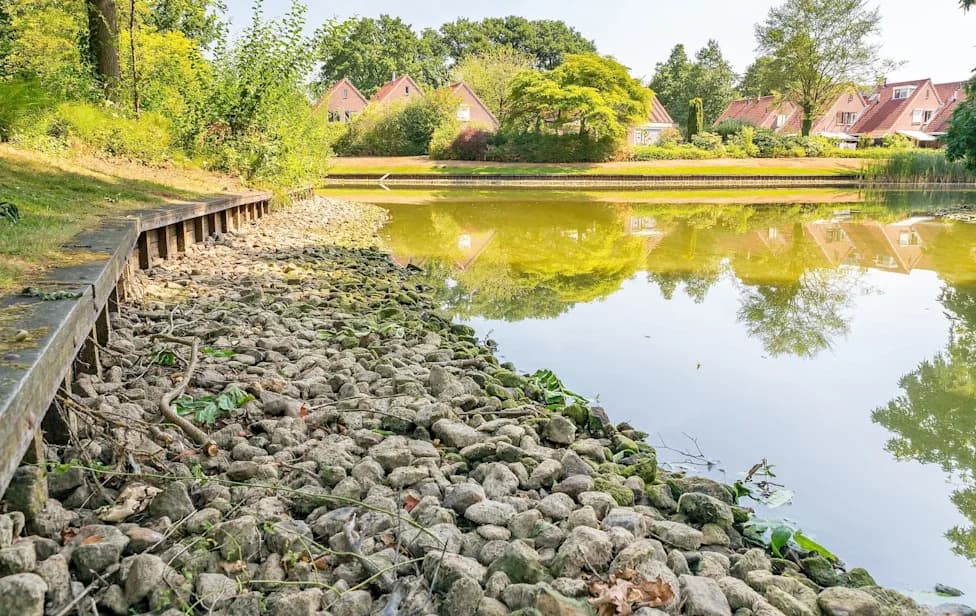
Plans for a 50-hectare Google data centre in Kronstorf, Upper Austria, have provoked local protests over water use, energy consumption and transparency. About 400 people rallied in Linz as residents warned of impacts on the River Enns and questioned consultation processes. Google says the centre will support AI and cloud demand, create roughly 100 direct jobs and strengthen digital infrastructure, while critics highlight estimates that phase one could use up to 1.31 TWh annually. The dispute mirrors wider European concerns about the environmental and social costs of data-centre expansion.
Google Data Centre in Kronstorf Sparks Protests Over Water, Energy and Transparency
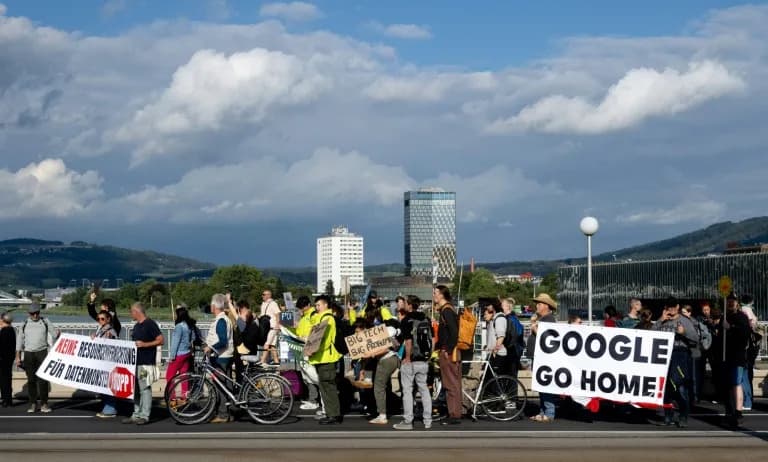
People have staged protests against the planned 50-hectare complex (Joe Klamar)
Plans for a large Google data centre in Kronstorf, Upper Austria, have prompted a wave of local opposition as residents and experts raise questions about water use, electricity consumption and community consultation. Supporters say the project will bring investment and jobs; opponents argue the environmental and social trade-offs have not been sufficiently addressed.
Protests and Local Concerns
Around 400 people gathered outside the regional government headquarters in Linz to protest the proposed 50-hectare (123-acre) facility, which sits on land equivalent to roughly 70 football pitches. Kronstorf, a town of about 3,500 residents, has become the focal point for wider debate about the costs of expanding AI and cloud infrastructure in Europe.
'I believe we need a rethink when it comes to this endless growth and expansion,'said protest organiser Christina Gruber, a 38-year-old freelance artist and aquatic ecologist from nearby Amstetten. Residents and local campaigners have voiced particular concern about the amount of water required for cooling, the design of cooling systems, and potential impacts on the River Enns.
Google's Position
Construction of Google's first Austrian data centre began in April after a ceremonial groundbreaking attended by company representatives and regional politicians. Google says the facility will support growing demand for cloud and AI services, create about 100 direct jobs and thousands of indirect roles, strengthen Austria's digital infrastructure and contribute to local sustainability initiatives. The company describes the investment as "significant" but has not disclosed the total cost.
Google also maintains its data centres are among the world's most energy-efficient. Nonetheless, local media reports suggest the first phase in Kronstorf could consume up to 1.31 terawatt-hours (TWh) of electricity per year — roughly equivalent to the annual usage of 375,000 households — a figure critics cite to underline the scale of the facility's energy needs.
Wider European Context
Protests in Kronstorf echo debates across Europe as AI-driven demand for computing capacity accelerates. Residents in Spain's Aragon region have taken legal action against a large Amazon data-centre build-out; Amsterdam has imposed a moratorium on new data centres over space and power constraints; and Denmark has deprioritised grid connections for new data centres amid concerns about strain on the electricity network.
Francesca Musiani, an internet researcher at the French National Center for Scientific Research, told AFP that data centres make the physical consequences of digital infrastructure more visible and spark questions about democratic participation and digital sovereignty: who gets to decide where and how this infrastructure is built.
Calls for Transparency and Local Input
Opponents say decisions moved forward too quickly and with insufficient local consultation. "Everything is extremely non-transparent, nobody knows anything," said Andrea Kollmann, a lawyer from Vienna who joined the Linz protest. Filmmaker Alex Stockinger, another local resident, pointed to recent record heat and argued that building hugely energy-intensive facilities during a climate crisis is the "wrong direction."
The Upper Austrian government and the local mayor did not respond to AFP's request for comment. As construction continues, residents and campaigners are demanding clearer information on cooling technology, projected water use and planned safeguards for local ecosystems and water resources.
Help us improve.