Lithuania is upgrading the Gizai substation — a pivotal node of the Harmony Link — to withstand explosive drones and sabotage near Kaliningrad. Planned measures include truck-resistant fencing, tunnel detectors and reinforced-concrete "sarcophagi" for transformers, plus redundant equipment and cooling systems. The security upgrades are expected to add at least €48 million to costs, and Vilnius will ask the EU to cover at least half amid regional security concerns.
Lithuania Fortifies Strategic Gizai Substation Near Kaliningrad Against Explosive Drones
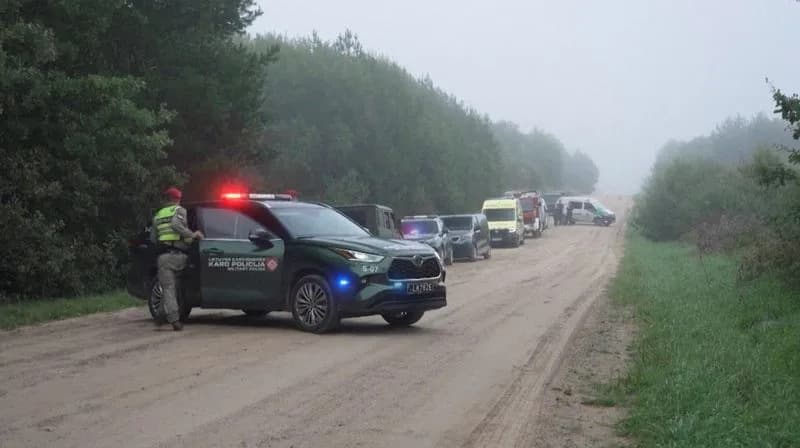
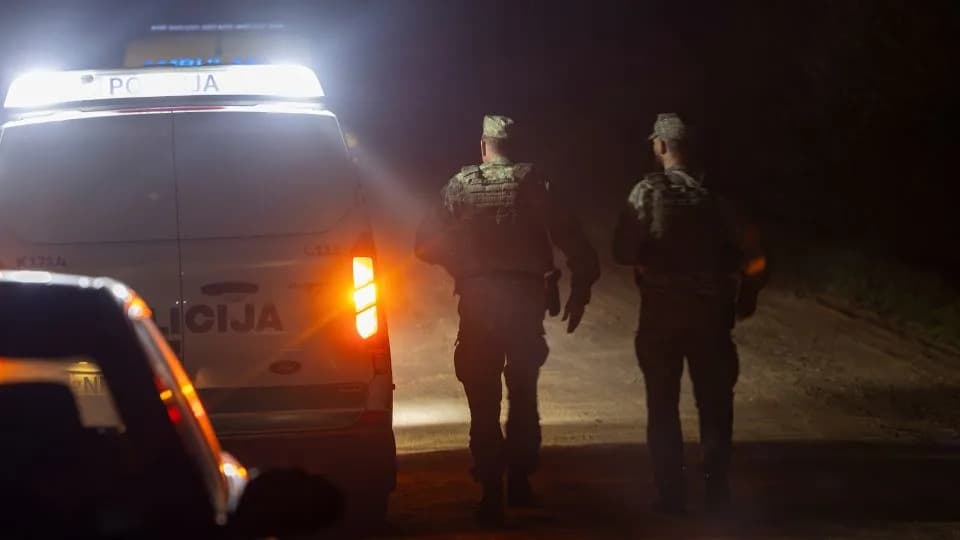
Military police and response vehicles stand parked near the site where, according to the Lithuanian national crisis management centre, a NATO fighter jet shot down a drone near Pratkunai village, Lithuania, September 15, 2026, in this screengrab from a handout video. Lithuanian Army/Handout via REUTERS
Vilnius is upgrading defenses at the planned Gizai electricity substation — a critical node of the Harmony Link interconnector with Poland — with measures designed to withstand explosive drones, sabotage and other hybrid threats, Reuters reports.
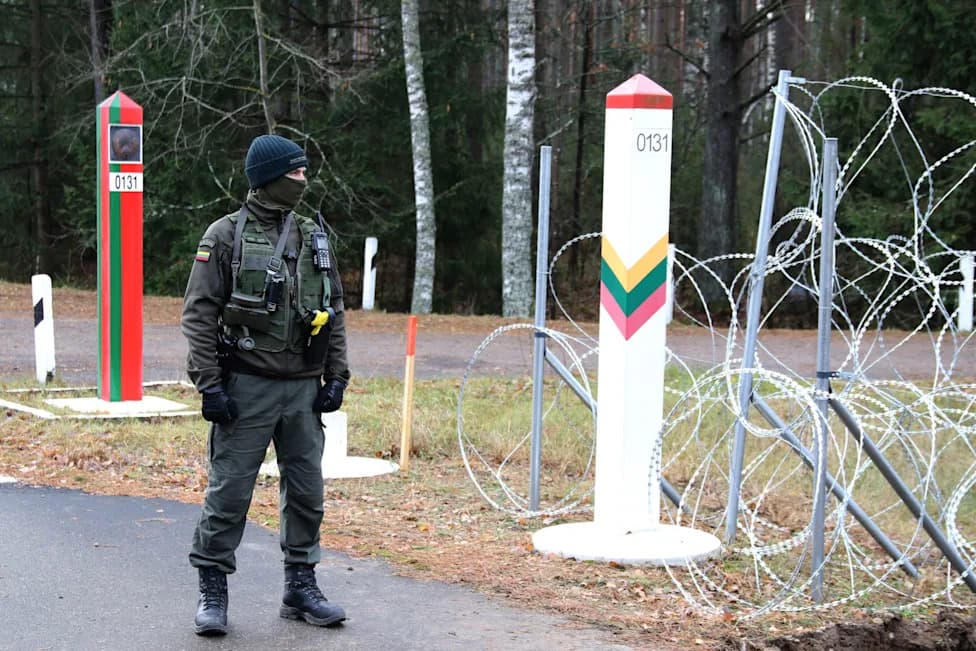
The Gizai site, roughly 30 km (19 miles) west of the Russian exclave of Kaliningrad and sited in the strategically sensitive Suwalki Gap, will feature heavy-duty perimeter fencing rated to resist an explosives-laden vehicle, sensors to detect clandestine tunnels, and reinforced concrete "sarcophagi" to protect transformers and other key equipment, Litgrid CEO Andrius Semeskevicius told Reuters.
Designing for a New Threat Landscape
"In the past we designed our grid for natural disasters. Today we must plan for every hybrid and conventional threat," Semeskevicius said. The Gizai substation will cover about 35 hectares, a layout intended so a single strike would only damage a limited portion of the installation.
"We are protecting ourselves from multiple Shahed drones, which could crash‑land with 100 kilograms of explosives," Semeskevicius said, referring to the Iranian-designed drones Russia has used in Ukraine.
Standard concrete is judged insufficient for blast resistance; the project calls for specialized mixes reinforced with plastic fibers to prevent crumbling and improve durability. Key components will be duplicated so the facility can continue operating if individual units are damaged — while bespoke replacement parts could take years to procure.
Operational and Cost Implications
Litgrid estimates the security upgrades will add at least €48 million to the Gizai bill; the cost could rise if regional tensions escalate. Lithuania plans to request that the European Union cover at least half of the additional expense, Energy Minister Lukas Savickas told Reuters. Polish officials have also urged broader EU support, warning that countries bordering Russia risk competitive disadvantages if forced to shoulder the costs alone.
Lithuania's military is advising Litgrid on hardening measures and resistance to modern threats to energy infrastructure. Officials say the Gizai substation is the first new installation in the region since Russia’s full-scale invasion of Ukraine in 2022 and is essential to ensuring reliable power for the Baltic states after their recent decoupling from Russia's grid.
Intelligence sources told Reuters that regional authorities are concerned about the possibility of a false-flag drone attack intended to test NATO unity. The European Commission did not respond to Reuters' request for comment on financing.
Reporting: Andrius Sytas and Marek Strzelecki. Editing: Gareth Jones.
Help us improve.