Short Take: Claims that scientists are making plastic cookies for public consumption are misleading. The project, called µBites, starts with plastic waste but chemically breaks it down; yeast then converts the components into proteins, lipids and other nutrients. Researchers say the finished product contains no plastic. µBites were developed for NASA’s Deep Space Food Challenge and remain experimental as of September 2026, requiring extensive testing and many quality-control steps.
Not For the Public: ‘µBites’ Are Experimental Space Food Made From Recycled Plastic — Not Plastic Cookies
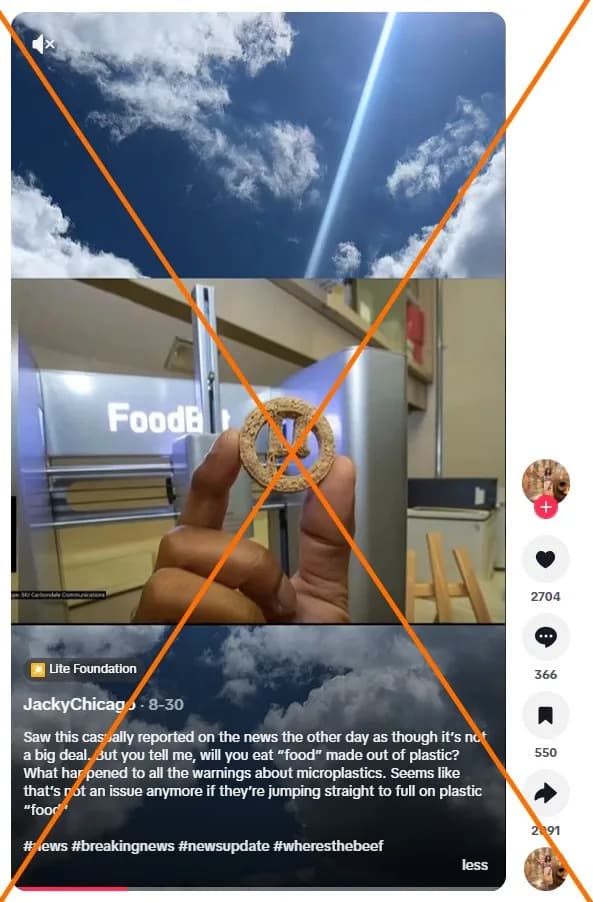
Screenshot of a TikTok taken September 21, 2026
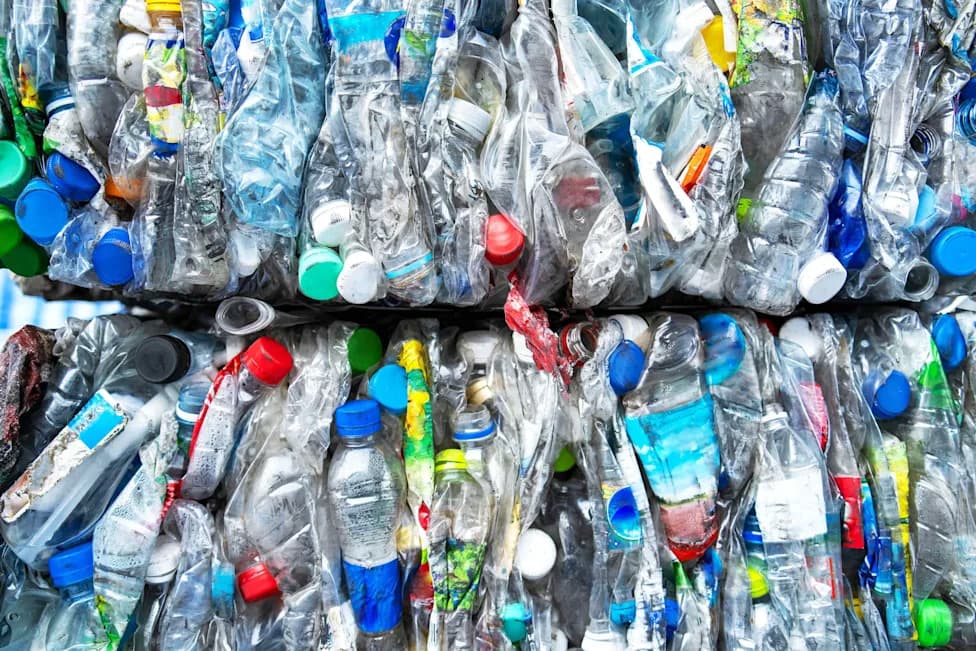
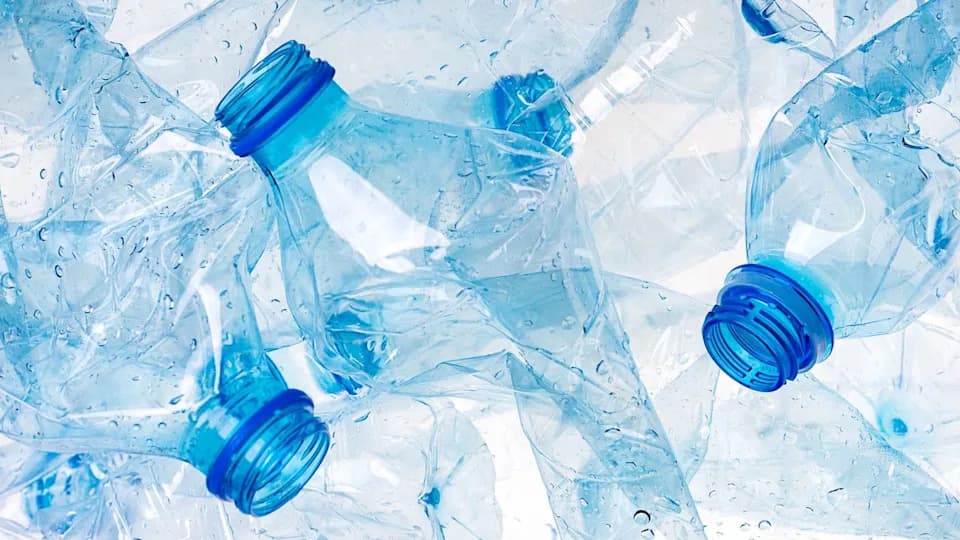
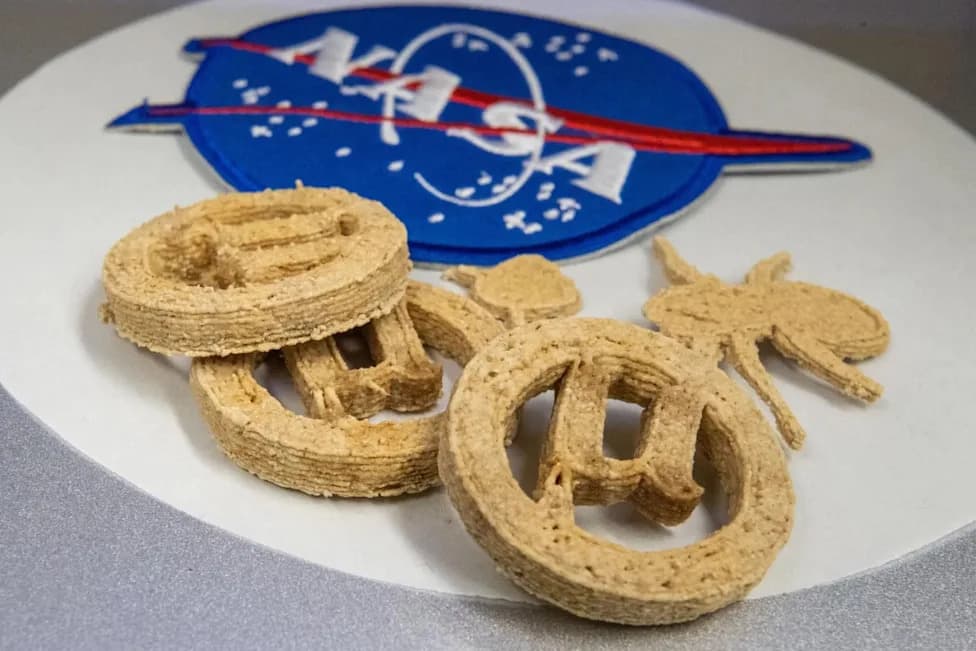
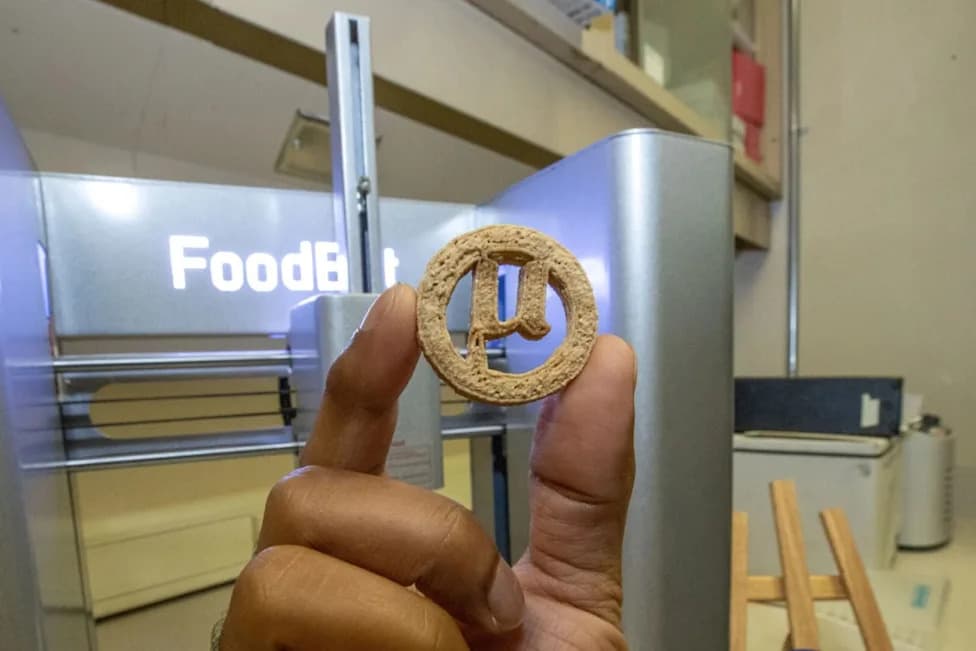
Social media posts claimed scientists were making edible cookies out of plastic and pushing them on the public. That depiction is misleading. The experimental product — called µBites (pronounced “microbites”) — begins with plastic waste but undergoes chemical and biological processing so the final food contains no plastic. The project is being developed for NASA’s Deep Space Food Challenge, not for immediate public consumption.
Background
Viral posts and a September 16, 2026 blog headline — including versions that described the project as “3D-printed slop made of plastic garbage” — amplified fears about microplastics and novel food technologies. Those posts appeared on platforms such as Facebook, Instagram, TikTok and X, and were shared in multiple languages, but they omitted important technical and contextual details.
What The Research Actually Does
The work from researchers at Southern Illinois University Carbondale investigates “engineered consortia for converting plastic and biomass‑derived compounds into valuable food additives.” In short:
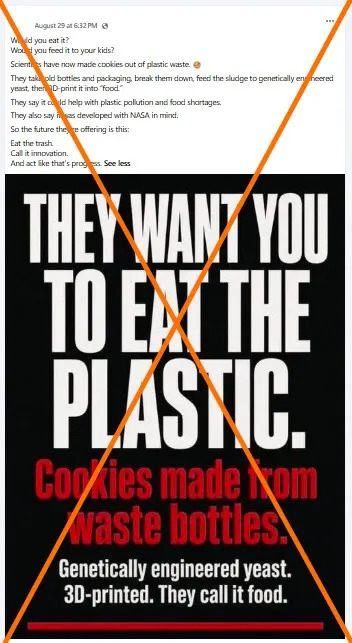
Screenshot of a Facebook post taken September 21, 2026
- Plastic and biological waste are broken down into their basic molecular components.
- Those components are used as feedstock for yeast in a controlled fermenter; the yeast consumes the carbon-based molecules and synthesizes nutrients such as proteins, lipids and fats.
- The yeast-derived nutrients — not intact plastic — are then incorporated into food products.
Safety, Testing and Purpose
Lead researcher Lahiru Jayakody explained in a September 2 video from the American Chemical Society:
"It's starting from a plastic bottle, but we break it down into the original chemical. That's what we're using. So, the end product, the cookie — free of microplastic."
The researchers emphasize that µBites remain experimental as of September 2026. The project is part of NASA’s Deep Space Food Challenge, which aims to develop low‑resource, low‑waste food systems suitable for long‑duration space missions. The team said the process is time‑consuming and costly, with more than 30 quality and safety steps and roughly one to two days required to complete the procedure. Researchers currently do not have university permission to taste µBites and have noted extensive testing will be necessary before any human consumption beyond controlled trials.
Misinformation And Why It Spread
The viral narrative—claiming plastic cookies are being prepared for the general public—echoes longstanding rumors about forced alternative diets (for example, insect-based food). Those stories frequently draw on genuine research into alternative food systems but conflate laboratory experiments with public rollouts. In this case, posts omitted the chemical breakdown and fermentation steps that remove plastic from the finished product, and they ignored the project’s explicit focus on space missions and experimental status.
Bottom line: µBites are an experimental food concept that uses recycled plastic as an initial feedstock, but according to the researchers, the manufacturing process breaks plastic down to molecular components and produces yeast-derived nutrients; the finished product is claimed to contain no plastic and is intended for spaceflight research, not mass consumption.
Help us improve.