The National Security Graduate Fellowship at Seton Hall pairs graduate students with U.S. government agencies to produce timely research on pressing security issues and reports an 80% placement rate. Founder Mohamad Mirghahari—an experienced Department of Defense and TSA adviser—says practitioner instructors and real‑time projects make students "ready day one." The curriculum emphasizes contemporary threats, including China, regional flashpoints, foreign influence operations and AI‑enabled data analysis. Graduates gain analytic skills and hands‑on experience that can offset years of on‑the‑job learning.
Inside Seton Hall’s National Security Fellowship: A Five‑Year Head Start — “Ready Day One”

Fox News Digital spoke to Seton Hall national security fellow Mohamad Mirghahari about the changing landscape of national security and his program equipping students for placement in high levels of government.
As the United States confronts a more complex national security landscape—ranging from strategic competition with China to foreign influence campaigns and the rapid rise of artificial intelligence—a fellowship at Seton Hall University is preparing graduate students to enter government service with practical, mission‑ready experience.
Hands‑On Fellowship Links Students With Government Needs
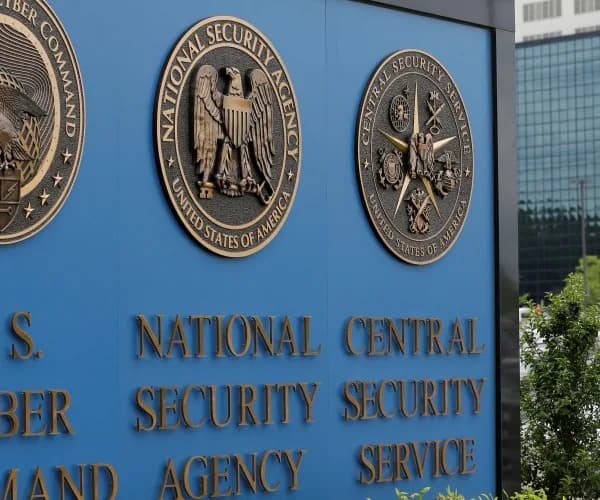
The National Security Graduate Fellowship at Seton Hall's School of Diplomacy and International Relations places graduate students with U.S. government offices that require research and analysis on urgent foreign policy and national security questions. The program reports an 80% placement rate, with alumni moving into roles at organizations such as the NSA, CIA, Secret Service, branches of the military and defense contracting firms.
Practitioner‑Led Instruction and Real‑Time Projects
Founder Mohamad Mirghahari—a Seton Hall alumnus with 14 years in senior Department of Defense counterterrorism roles, a former presidential appointee and senior adviser at the Transportation Security Administration, and a current special adviser to the Department of Defense—says the fellowship’s objective is simple: have students be "ready day one" when they begin government service.
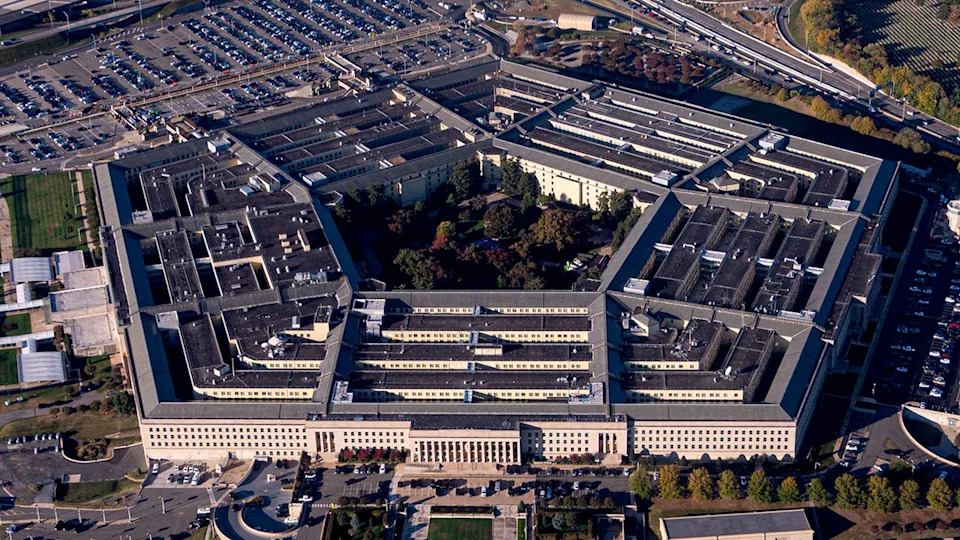
Aerial view of the Pentagon building in Arlington, Va., on Wednesday, Oct. 22, 2025.
“Our graduate students are actually tackling real‑world national security challenges and issues from government agencies,” Mirghahari told Fox News Digital. “We provide research that can support government requirements in real time.”
The program supplements classroom instruction with guest lectures and adjunct teaching from practitioners across the federal government, giving students direct exposure to operational perspectives and current priorities.
Focus Areas: Regional Flashpoints, Foreign Influence, and Emerging Technologies
Students complete projects on high‑priority topics such as China, India, Pakistan and the South China Sea. One notable example involved producing State Department‑oriented research on possible U.S. approaches to re‑engaging the Taliban if the group regained power in Afghanistan; those papers were circulated within government and retained relevance over time.
The fellowship places particular emphasis on emerging challenges tied to artificial intelligence, data analytics and foreign influence operations. Mirghahari notes that younger students often contribute technical skills and fresh perspectives agencies may lack.

Rear view of college students raising their hands to answer the professors' question on a class at amphitheater.
Students use methods such as AI‑assisted analysis, graph theory and other data techniques to process and interpret large datasets, helping agencies identify what is most relevant for policy and operational decisions.
Practical Impact For Government Partners
By training students to synthesize large volumes of information quickly, the fellowship helps government clients consolidate dispersed data and reach conclusions faster. “Our students can sift through large amounts of information and extract what is relevant to support their research,” Mirghahari said, noting that this work can save agencies substantial time.
Anecdotal feedback from partner agencies suggests graduates sometimes outperform peers with five to ten years of on‑the‑job experience—supporting Mirghahari's contention that the program effectively gives students a multi‑year head start.
Why It Matters
As national security threats evolve—particularly in cyber, information operations and AI—programs that combine practitioner expertise with hands‑on assignments can accelerate the readiness of the next generation of analysts and policymakers. Seton Hall’s fellowship is positioned as a model for how academic programs can directly serve government needs while preparing students to contribute immediately upon hiring.
Who Benefits: Graduate students seeking government careers; federal agencies needing surge analytic capacity; and policymakers who require timely, evidence‑based research.
Help us improve.