The Government Accountability Office found that USPS cost-saving measures under the Delivering for America plan — including shifting First-Class Mail from air to ground, extending delivery windows, ending some afternoon pickups, and excluding Sundays and federal holidays from delivery calculations — have slowed mail service and left the agency missing even reduced targets. Despite lowered goals for 2026, 20 of 27 mail categories missed benchmarks in fiscal 2025, with rural customers most affected. GAO urged the Postmaster General to detail fixes and expected impacts in the 2027 strategic-plan update.
GAO: USPS Cost Cuts Are Slowing Mail Delivery, Hitting Rural Communities Hardest
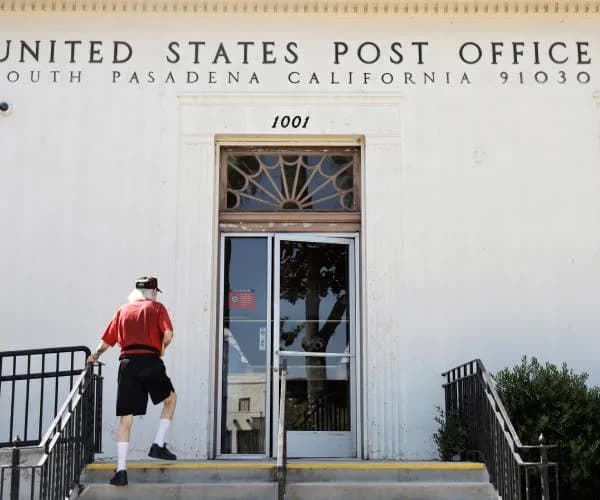
(Getty Images)
The Government Accountability Office (GAO) concluded in a report released Thursday that the U.S. Postal Service's cost-cutting measures under its Delivering for America plan have slowed delivery for some mail categories and left the agency falling short of even its reduced performance targets.
"USPS has largely failed to meet even these reduced service standards," the GAO wrote.
The report links the slowdown to a series of operational changes implemented since 2021 as the Postal Service seeks financial self-sufficiency. The agency has reported losses in nearly every year since fiscal 2007.
Major changes identified by GAO and regulators include:
- Shift From Air to Ground (Oct 2021): USPS moved much First-Class Mail from air to predominantly ground transportation, extending expected delivery times by one to two days for some items and creating a one-to-five-day delivery window. The Postal Regulatory Commission (PRC) notes that a letter from Tulsa, Oklahoma, to New York City now carries a five-day standard, up from three days before 2021.
- Fewer Afternoon Pickups (April 2025): The Postal Service began eliminating afternoon pickups at post offices located more than 50 miles from regional processing centers. Mail dropped off after the morning pickup at those offices is typically held until the next business day. The phased change is expected to affect more than 24,000 post offices when fully implemented.
- Excluding Sundays and Federal Holidays: USPS stopped counting Sundays and federal holidays toward delivery-time calculations. The PRC found that this change increased on-time performance scores by up to 2.1% for some products without improving actual delivery speeds.
- Lowered Performance Targets: USPS reduced its on-time goals— for example, the two-day single-piece First-Class Mail target fell from 96.5% in fiscal 2020 to 87% in fiscal 2026, and the three-to-five-day target was lowered from 95.25% to 81.5%.
Even after these changes, the GAO found that 20 of 27 market-dominant mail categories missed their targets in fiscal 2025. The watchdog highlighted that rural residents are likely bearing the brunt of slower service — a concern because longer delivery times can affect time-sensitive items such as bill payments, medications, and tax filings.
USPS has taken steps intended to improve performance, including creating a Chief Performance Office and tying service results to employee pay. However, GAO concluded that "ongoing service performance issues indicate that USPS's actions have not been sufficient." The GAO recommended that the Postmaster General specify planned fixes, expected effects on performance targets, and remaining obstacles in the agency's next strategic-plan update, due in 2027; the Postal Service agreed to provide that detail.
The report was produced at the request of House Oversight Committee Democrats Representatives Robert Garcia (CA) and Kweisi Mfume (MD).
Source: GAO report and Postal Regulatory Commission findings.
Help us improve.