The Westminster coroner found that Lady Joan Branson, 80, likely would have survived had hospital staff given preventive anticoagulant medication after a fall on Necker Island. Testimony showed she was at very high risk of deep vein thrombosis but did not receive prophylactic blood thinners; the admitting doctor did not complete a bleeding-risk assessment. Medical witnesses disagreed about bleeding risk, and the coroner emphasized the inquest's aim to learn lessons rather than assign blame.
Coroner Finds Lady Joan Branson’s Death Likely Preventable Without Blood Thinners

Sir Richard Branson and Joan Templeman attend a Hollywood Walk of Fame ceremony.
A British coroner has concluded that Lady Joan Branson, 80, likely would have survived if hospital staff had given preventive anticoagulant medication after a fall on Necker Island.

A British coroner concluded Lady Joan Branson's death likely could have been prevented with preventive blood-thinning medication.
Inquest Findings
Lady Branson was admitted to hospital in November 2025 following a fall on Necker Island, the private Caribbean island owned by Sir Richard Branson. She later died of a pulmonary embolism caused by deep vein thrombosis (DVT), a condition in which a clot travels to and blocks an artery in the lungs.

The inquest into Lady Joan Branson's death has drawn attention to the importance of preventing dangerous blood clots in hospitalized patients.
"I do find her death would have likely been prevented, and the lack of anticoagulation did cause or contribute to her death probably," Senior Coroner Fiona Wilcox told Westminster Coroner's Court during the inquest.
Medical Testimony and Debate
The coroner said hospital staff did not provide preventive anticoagulants — commonly called blood thinners — despite Lady Branson having a "very high risk of developing deep vein thrombosis," according to testimony reported by the BBC. Medical witnesses at the hearing disagreed about whether the risk of bleeding justified withholding the injectable blood thinner enoxaparin.

The case highlights the importance of balancing blood clot prevention with bleeding risk when treating hospitalized patients.
The hospital's admitting doctor, Dr. Basir Kunduzi, acknowledged he did not complete a formal bleeding-risk assessment on the day of admission. He told the court the case prompted reflection on his role and the importance of clearer communication among clinical teams.

Sir Richard Branson paid tribute to his wife after her death, calling her the "shining star" of their family.
Coroner's Conclusion and Lessons
Wilcox was careful to say the inquest did not find wilful neglect: Lady Branson did receive medical care, but the coroner emphasized the purpose of the hearing was to establish facts, reach appropriate conclusions and identify lessons to improve future patient care. The coroner recommended learning points about thrombosis prevention for vulnerable, immobile patients.
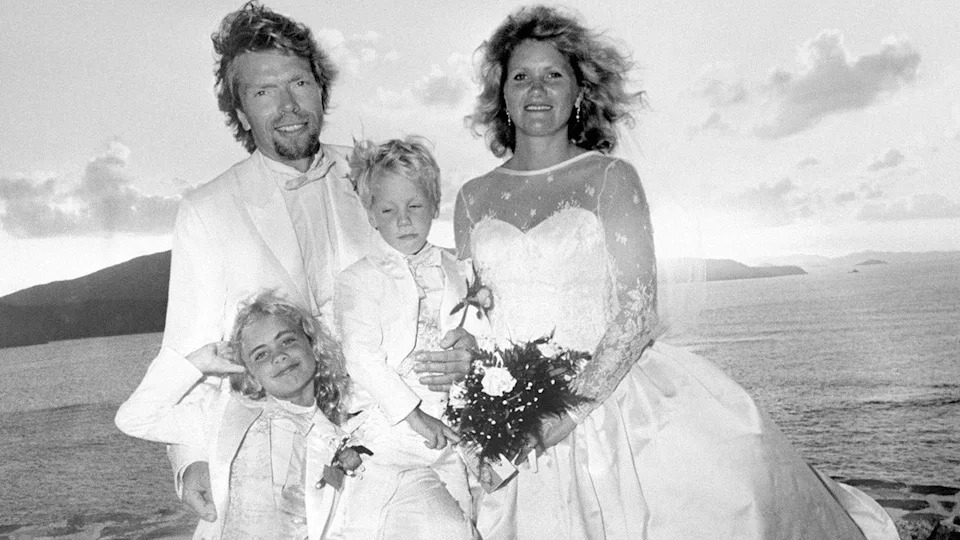
Richard Branson and Joan Templeman married on Necker Island in 1989, the same private Caribbean island where she suffered the fall that preceded her final hospitalization.
Expert Views and Public Health Context
Emergency physician Dr. Jared Ross, who was not involved in the case, told Fox News Digital that nearly all hospitalized adults should receive some form of clot prevention — either pharmacologic anticoagulation or mechanical devices that promote leg blood flow — because, in most cases, the benefits outweigh bleeding risks.
Anticoagulants reduce the risk of pulmonary embolism but increase bleeding risk, so clinicians routinely weigh those competing dangers for each patient. Health agencies advise anyone with symptoms of DVT (swelling, pain, warmth or redness in a limb) or pulmonary embolism (sudden shortness of breath, chest pain, rapid heartbeat, coughing up blood, lightheadedness or fainting) to seek immediate medical attention.
Family Response
A spokeswoman for Sir Richard Branson said the family did not intend to comment further on the inquest and referenced the social-media tributes Sir Richard posted after his wife's death. In his tribute, Sir Richard described Lady Joan as the "shining star" of their family and reflected on their 50 years together.
The inquest has refocused attention on hospital protocols for assessing bleeding risk versus thrombosis risk and on ensuring clear communication across clinical teams when deciding whether to administer preventive anticoagulation.
Help us improve.