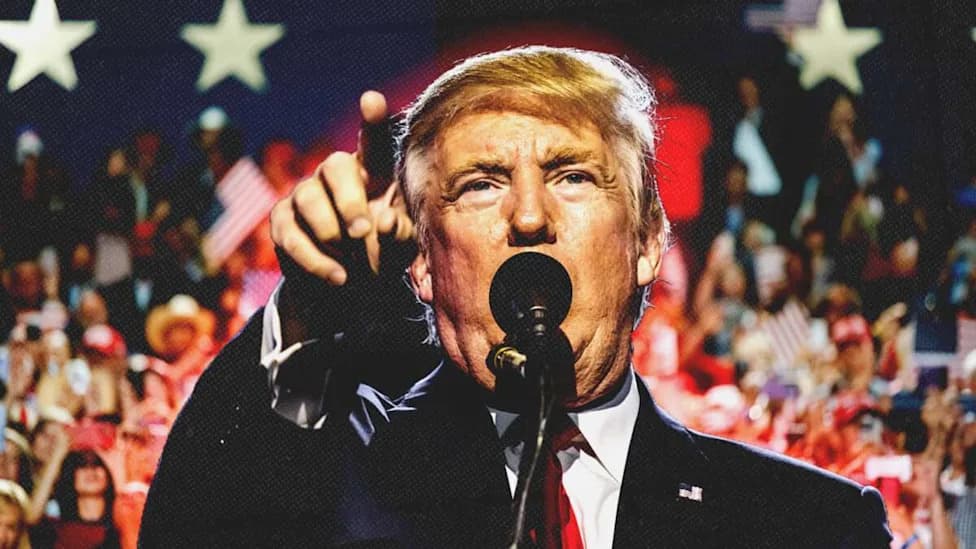
President Trump has renewed an executive order extending for another year his effort to impose a $100,000 fee on H‑1B work visas, a proposal that would dramatically raise current fees of roughly $2,000–$5,000. Courts have blocked collection of the higher fee, and a Boston appeals court plus other courts are reviewing related legal challenges. The order excludes student‑status visa holders and H‑1B renewals. Industry groups say H‑1Bs fill critical high‑skill gaps while critics say the program can displace U.S. workers.
Trump Renews Push To Impose $100,000 H‑1B Fee For Another Year As Legal Battles Continue
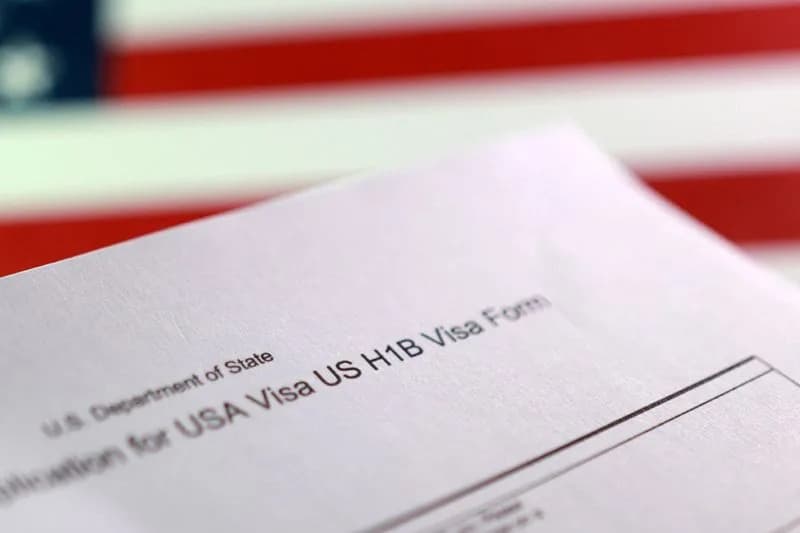
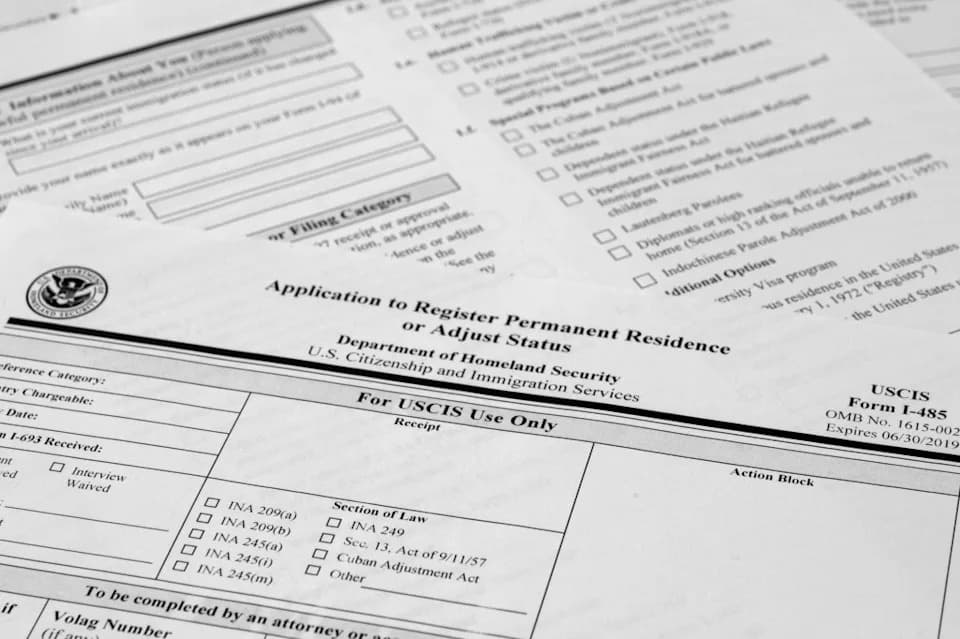
FILE PHOTO: A U.S. flag and a U.S. H-1B Visa application form are seen in this illustration taken, September 22, 2025. REUTERS/Dado Ruvic/Illustration/ File Photo
WASHINGTON, Sept 18 (Reuters) - President Donald Trump has renewed an executive order extending for another year a plan to impose a $100,000 fee on H‑1B non‑immigrant work visas, the White House said on Friday. The move keeps alive a controversial proposal that has faced multiple legal challenges and drawn intense debate from industry groups and critics alike.
What the Extension Means
The H‑1B program allows U.S. employers to hire skilled foreign workers for a limited period. Under the renewed order, the administration would continue pursuing a dramatic increase in fees — from the current range of roughly $2,000–$5,000 to at least $100,000 — although courts have so far blocked collection of the higher charge.
Legal Status
A Boston‑based appeals court is reviewing a June federal judge’s decision that found the higher fee unlawful and barred the government from collecting it. Separately, another court is weighing whether a judge properly rejected a challenge to the fee brought by the U.S. Chamber of Commerce, the country’s largest business lobbying group. The original order to raise the fee was first issued in September 2025 and was due to expire this month; the renewal extends that policy push for an additional year while litigation proceeds.
Who Is Exempt
The order excludes visas issued to foreign nationals already in the United States on student visas — a group that accounts for a sizable share of new H‑1B recipients — as well as renewals of existing H‑1B visas.
Industry Impact
Critics argue some employers use H‑1Bs to replace American workers with lower‑paid foreign hires. Business groups and many companies counter that the program is vital to recruit high‑skill talent and to fill shortages of qualified U.S. workers in certain sectors, especially technology. Changes in vetting, fees and processing have altered hiring plans: some of the largest H‑1B users, including Alphabet (Google’s parent), have responded by expanding operations in India.
Background
Congress created the H‑1B category in 1990. It remains particularly important to technology companies that recruit heavily from countries such as India and China. Whether the fee increase becomes permanent will depend on ongoing court rulings and any future policy decisions by the administration or Congress.
Reporting by Kanishka Singh in Washington; Editing by Daphne Psaledakis, Will Dunham and Sergio Non.
Help us improve.