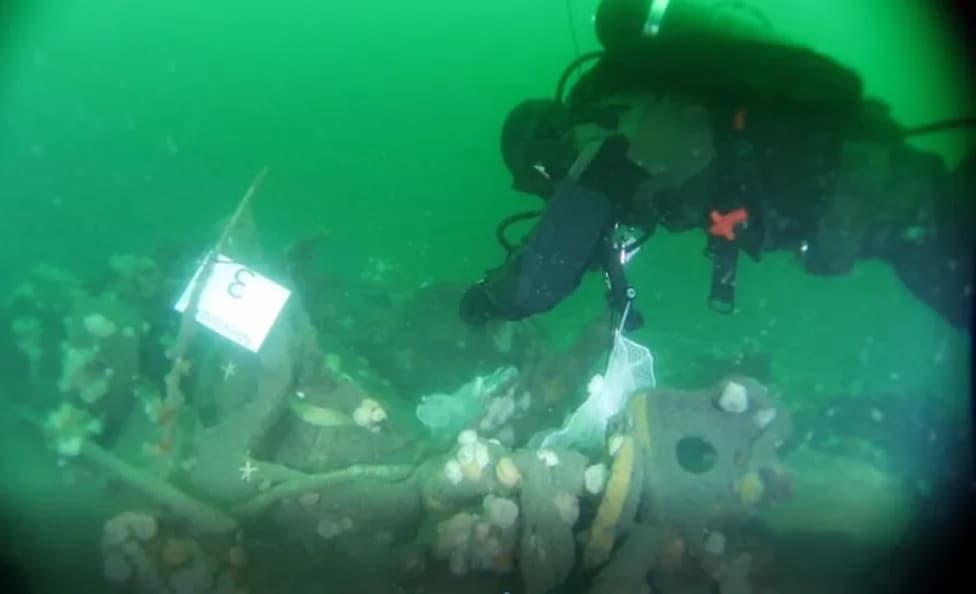
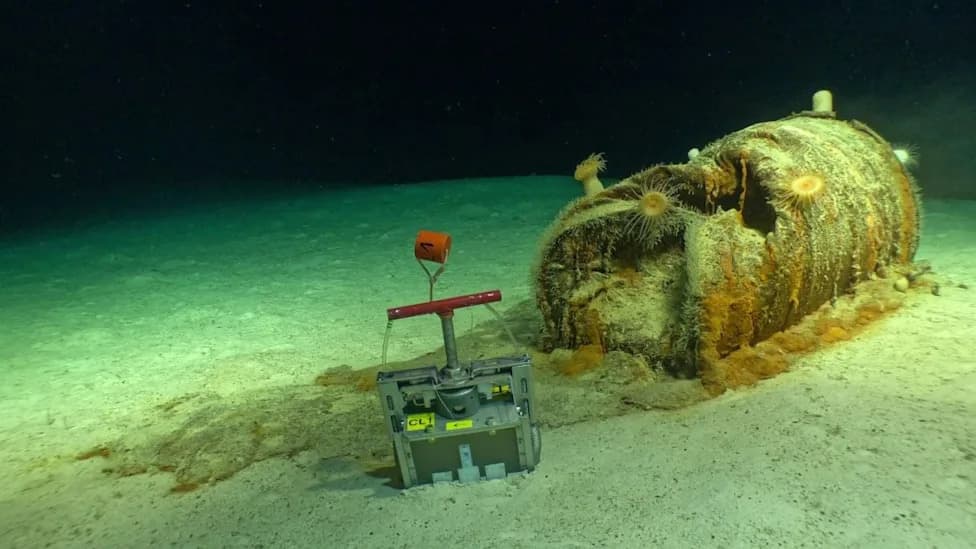
The USS Arizona at Pearl Harbor continues to leak decades-old fuel that forms rainbow sheens on the water and has been called the ship's "black tears." The National Park Service estimates the wreck may still hold roughly 500,000 gallons of fuel, an approximation that highlights a long-term pollution risk. Researchers use divers and remotely operated vehicles to monitor corrosion and trapped oil while limiting intrusive work at this designated war grave.
USS Arizona Still Weeps: Oil From 1941 Wreck Creates 'Black Tears' at Pearl Harbor
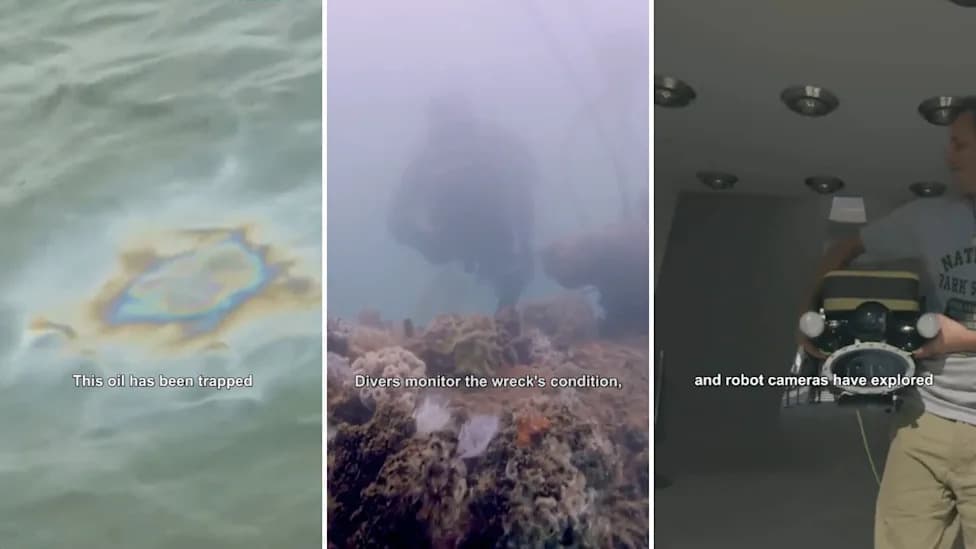
Photo Credit: Instagram
Oil from the USS Arizona, the battleship sunk at Pearl Harbor in 1941, continues to seep to the surface, producing a rainbow sheen visible from the memorial above the wreck. The slow outflow—described on social media as the ship's "black tears"—is a striking reminder that environmental damage and human loss can remain intertwined for generations.
What Is Happening
Visitors and divers have observed droplets of old fuel rising from the wreck and forming iridescent patches on the water. Instagram account Blues Below (@bluesbelow) captured footage of the phenomenon and referred to it as the Arizona's "black tears." The National Park Service has estimated the wreck may still contain roughly half a million gallons of fuel, though that number is an approximation rather than a precise tank measurement.
Why The Site Is Sensitive
The USS Arizona is a designated war grave, and any intervention at the site carries profound ethical and cultural implications. Officials and caretakers prioritize respect for the 1,177 sailors and Marines entombed in the wreck, which limits intrusive work even as the ship slowly corrodes.
How Scientists Are Monitoring The Wreck
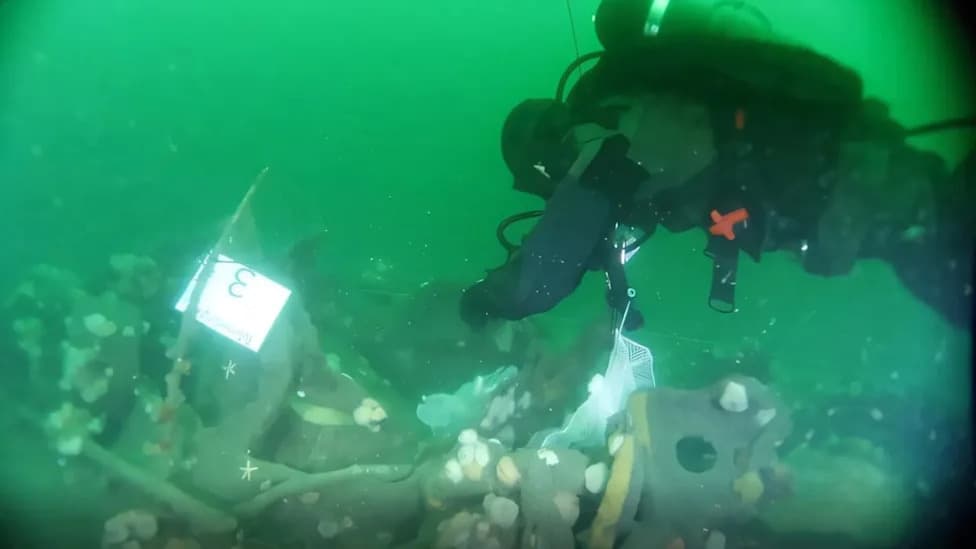
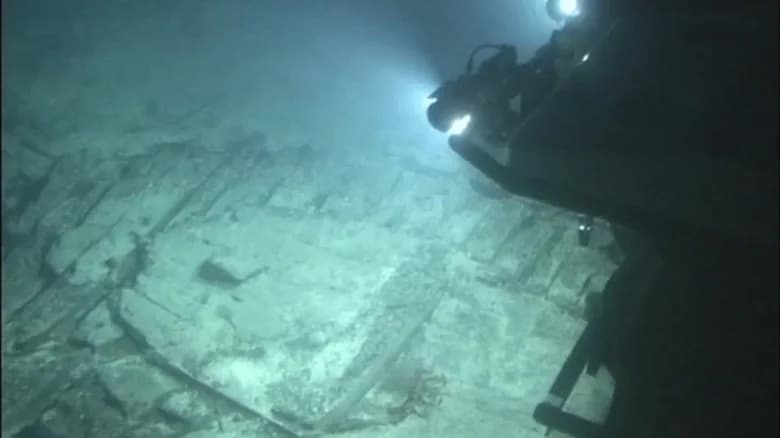
Researchers are studying how the ship’s steel is corroding and mapping where oil remains trapped within the hull. Limited oxygen in the dark interior can slow corrosion, but it cannot stop the chemical and structural decay. To minimize disturbance, divers conduct regular visual inspections while remotely operated vehicles and robot cameras enter internal compartments to collect imagery and data.
"The rainbow on the water comes from a battleship that sank in 1941," Blues Below wrote in the caption of their video. "Protecting the harbor means caring for the wreck and the people still inside her."
Environmental Concerns
What may appear as a momentary oil sheen is also evidence of a long-term pollution risk at one of the United States' most solemn historic sites. Persistent seepage can harm local marine life and habitats, and the wreck underscores how legacy pollution can outlive the events that created it.
Context And Ongoing Efforts
- The U.S. Navy and conservation partners have undertaken efforts to restore Pearl Harbor’s waters, including addressing invasive coral and other ecological threats.
- Conservation groups such as The Nature Conservancy have supported upgrades and reef protections in Hawaiʻi to strengthen resilience before disasters occur.
- Elsewhere, legacy pollution—like underwater toxic waste dumps off California—continues to highlight the long-term costs of maritime contamination.
Careful monitoring aims to balance the twin responsibilities of protecting the harbor environment and preserving the site as a place of remembrance. Scientists say ongoing observation will be crucial to managing risks without unduly disturbing the wreck or those memorialized there.
Help us improve.