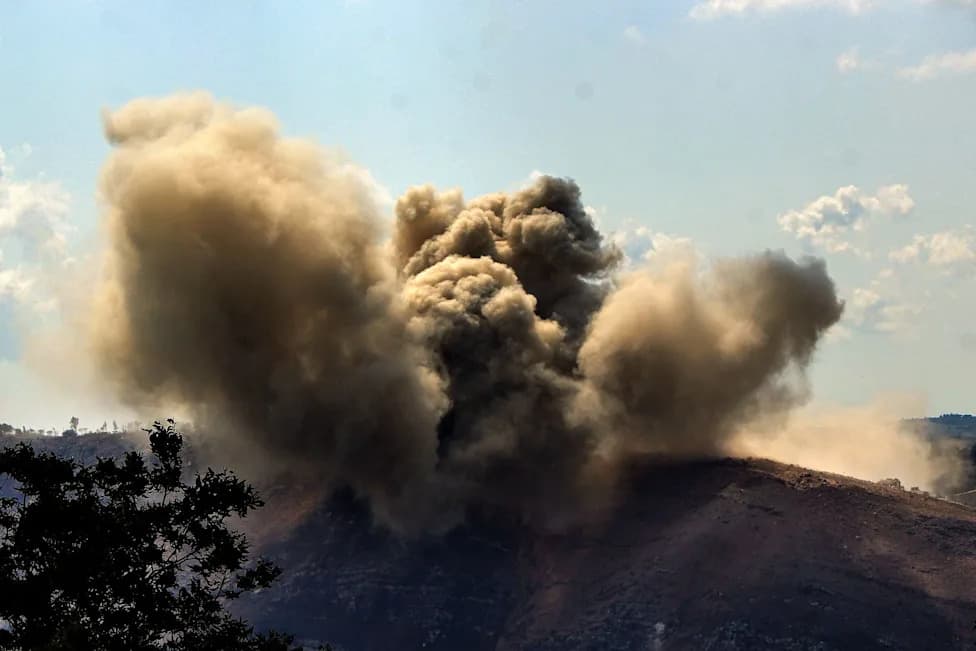
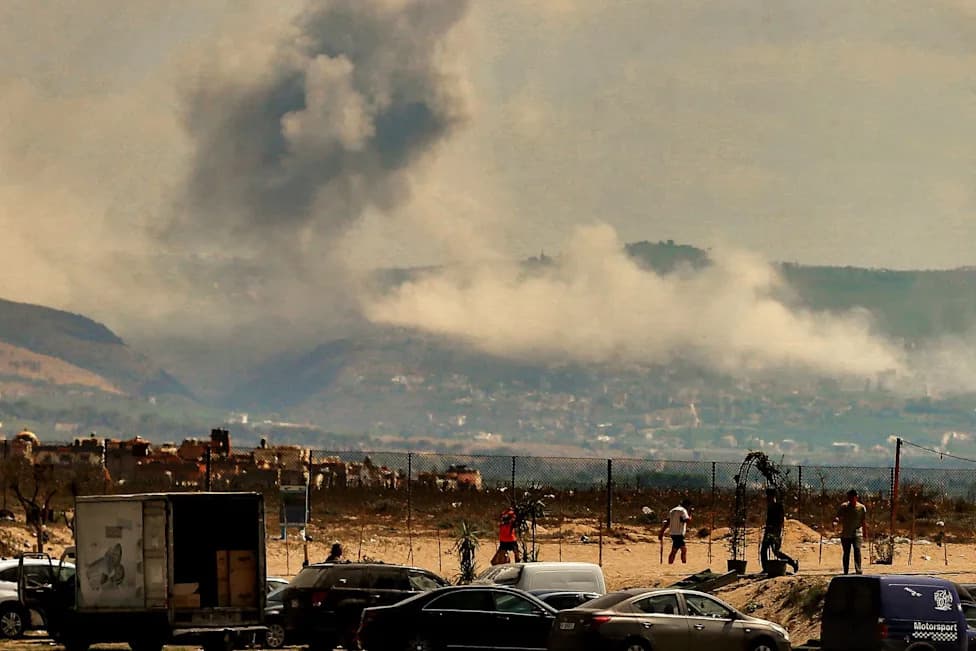
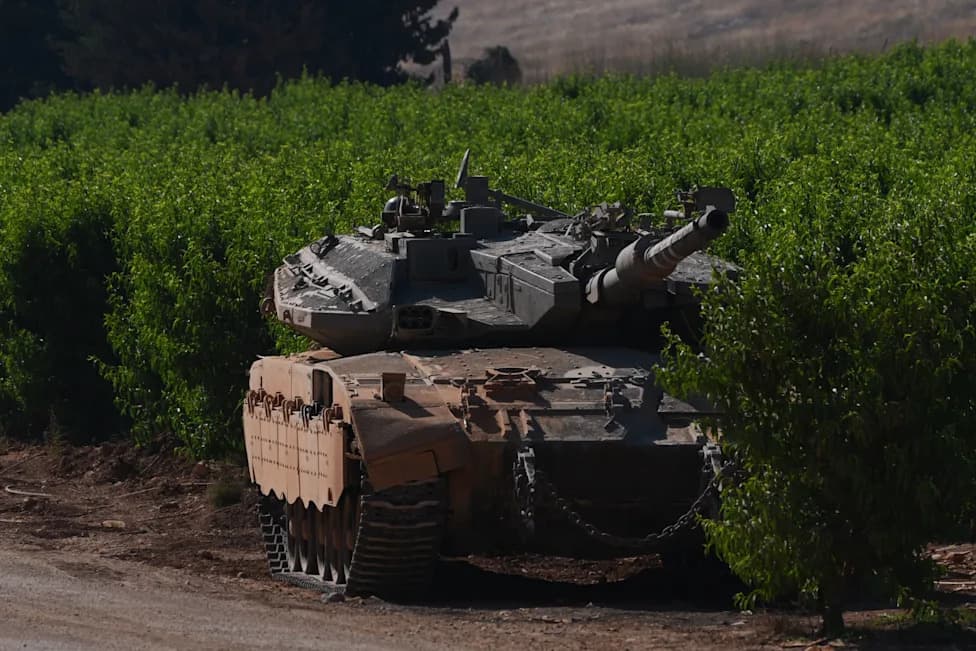
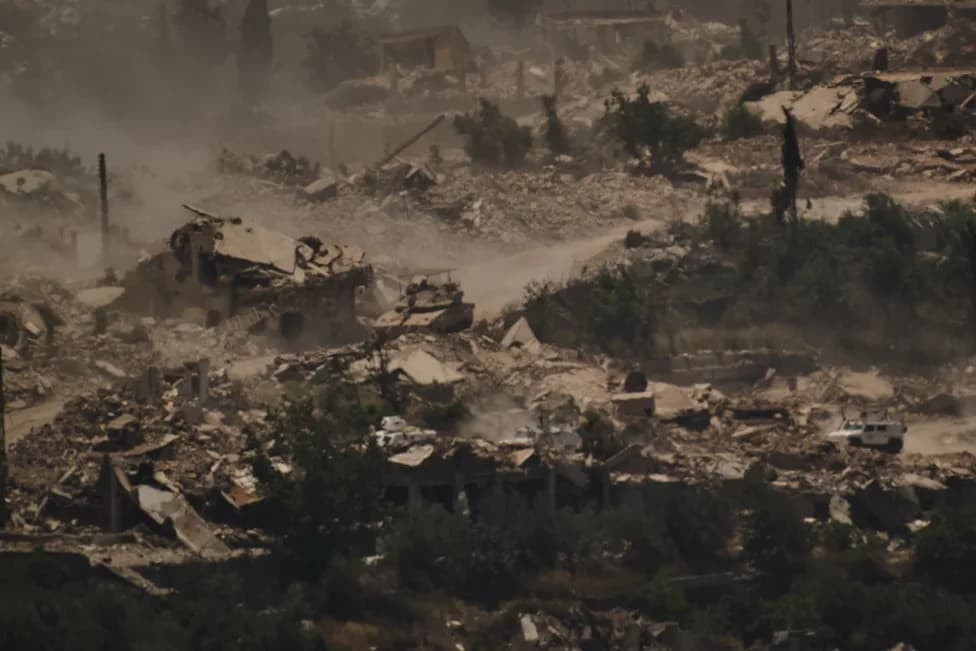
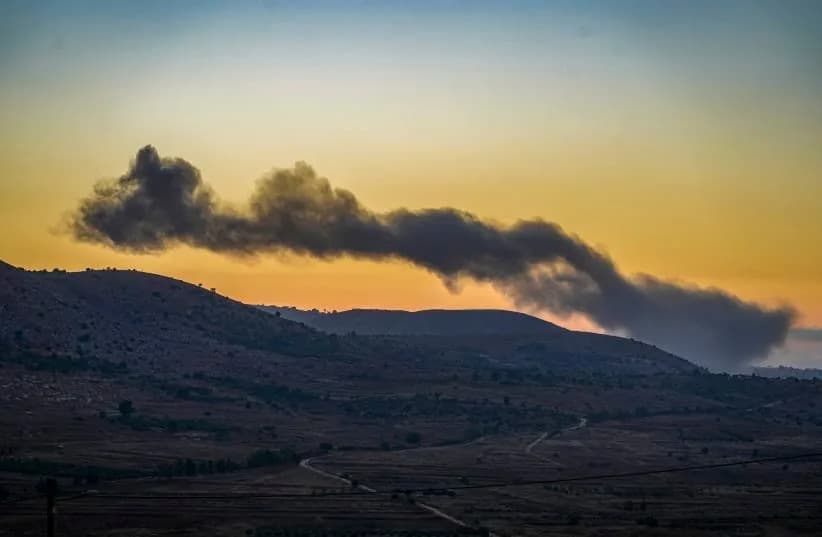
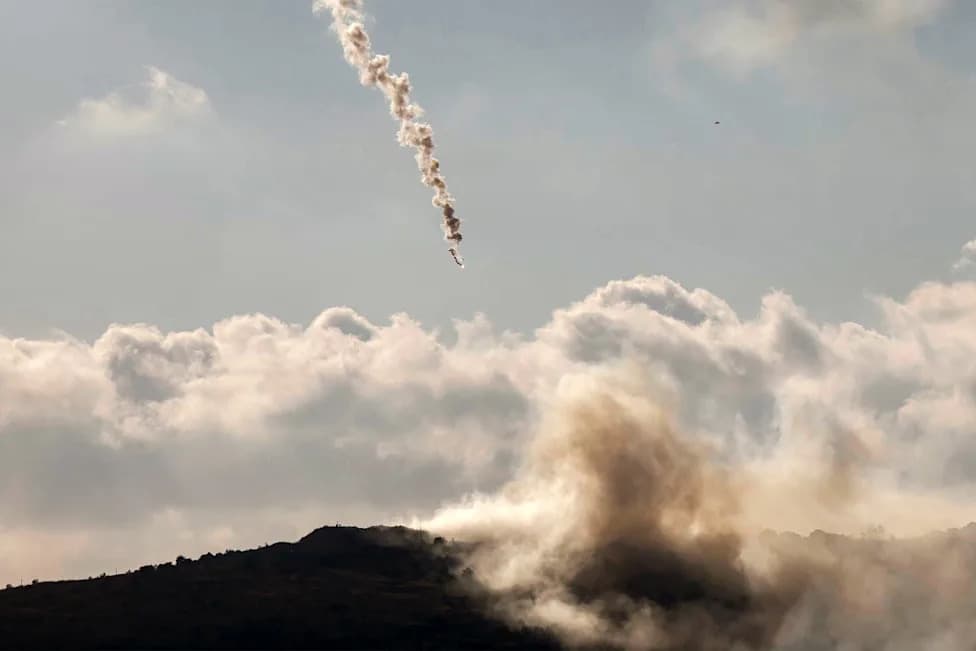
The Egoz Special Forces — supported by IDF Division 36 and Yahalom engineers — concluded a months-long operation to seize Ali Taher Ridge, securing the area on September 3. The campaign destroyed 14 tunnel routes spanning about 5.4 km in an operation called "Chisel of Flames," which used roughly 1,100 pounds of explosives. Commanders described extreme tactical challenges, including layered booby-traps, heavy drone attacks and close-quarters combat, and framed the outcome as a significant symbolic and operational setback for Hezbollah and Iran.
Egoz Commander: Capture Of Ali Taher Ridge Was IDF’s Most Complex Battle — A Major Blow To Hezbollah And Iran
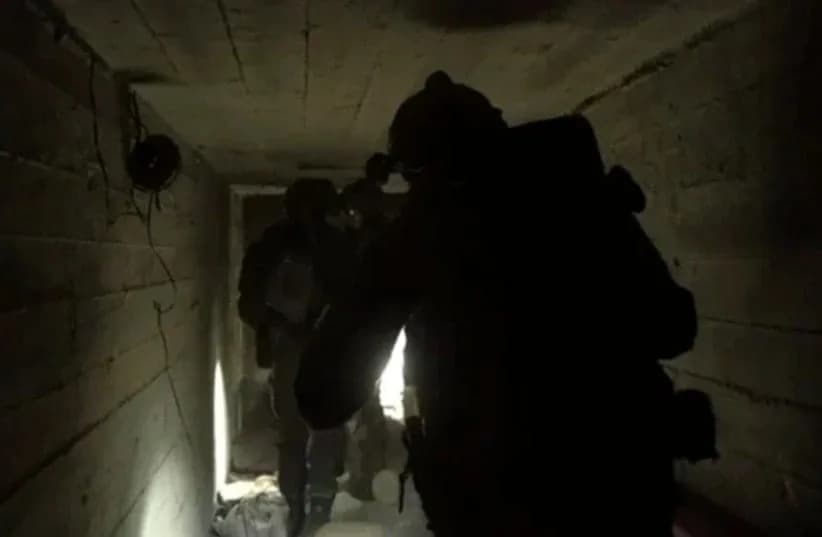
IDF soldiers operate inside an uncovered Hezbollah tunnel in southern Lebanon, March 27, 2026. (photo credit: IDF SPOKESPERSON
The commander of Israel's Egoz Special Forces, Lt.-Col. "M," told The Jerusalem Post that the months-long operation to seize Ali Taher Ridge was the most complicated battlefield the IDF has faced in recent years. The offensive — conducted alongside IDF Division 36 and engineering unit Yahalom — culminated on September 3 when troops secured the ridge and began demolishing an extensive underground network.
Operation Overview
The operation, codenamed "Chisel of Flames," targeted 14 tunnel routes stretching about 5.4 km that Israeli officials say were built over roughly two decades with Iranian assistance. The IDF reported using approximately 1,100 pounds of explosives to systematically destroy tunnel sections and render the complex inoperable.
Tactical Challenges
Lt.-Col. "M" described a range of tactical difficulties: the ridge rises to roughly 600 meters and has very few access routes, enabling Hezbollah to booby-trap approaches and conceal entrances. Forces also faced extensive surveillance systems, layered improvised explosives, large boulders that impeded movement, and an unprecedented volume of explosive-drone attacks directed at Egoz units.
Capt. "D" of Yahalom emphasized the layered defensive design inside the lair—cameras, short- and long-range IEDs and interconnected shafts that allowed fighters to move and, in some cases, escape. Yahalom engineers used specialized analysis and demolition techniques to isolate sections for seizure while preparing others for controlled destruction.
Execution and Deception
According to the IDF, the campaign began with a crossing of the Litani River and extensive deception efforts designed to mislead Hezbollah about the main axis of advance. Egoz initially inserted small teams to encircle and cut off the site, followed by probing detachments into the subterranean complex. These measures helped preserve surprise and limited the defenders' ability to concentrate effective counterfire.
M recounted close-quarters clashes in which his commandos encountered dozens of militants and regular rocket and drone threats. Both commanders described narrow escapes: near-miss encounters with concealed mines and drones striking vehicles moments after soldiers disembarked.
Strategic Impact
Israeli commanders characterized the site as a Hezbollah "nerve center" for the Nabatiya area, with command-and-control authority over long- and short-range attacks against Israeli military positions and communities in northern Israel. Destroying the complex, they say, represents a symbolic and operational setback for Hezbollah and for Iran, which the IDF accuses of having built and armed the facility.
While most defenders in the network were reported killed, Israeli officials acknowledge that some militants escaped through interconnected shafts. The phased nature of the operation was intended to avoid a single dramatic event that might provoke a wider escalation.
"After what we did to them here, they understand we can get to them anywhere," Lt.-Col. "M" said.
Video footage released by the IDF Spokesperson's Unit on September 16, 2026, shows IDF troops operating in the Ali Taher Ridge area.
Help us improve.