What do we owe one another when the harm before us is larger than any one person can repair? That question has followed me through the past year as federal and state immigration operations have reshaped life in Memphis neighborhoods, workplaces and schools. Entire households have lost the people who pay the rent, buy groceries or drive family members to work.
People may disagree about immigration policy, but we should be able to recognize the human harm when it is plainly visible.
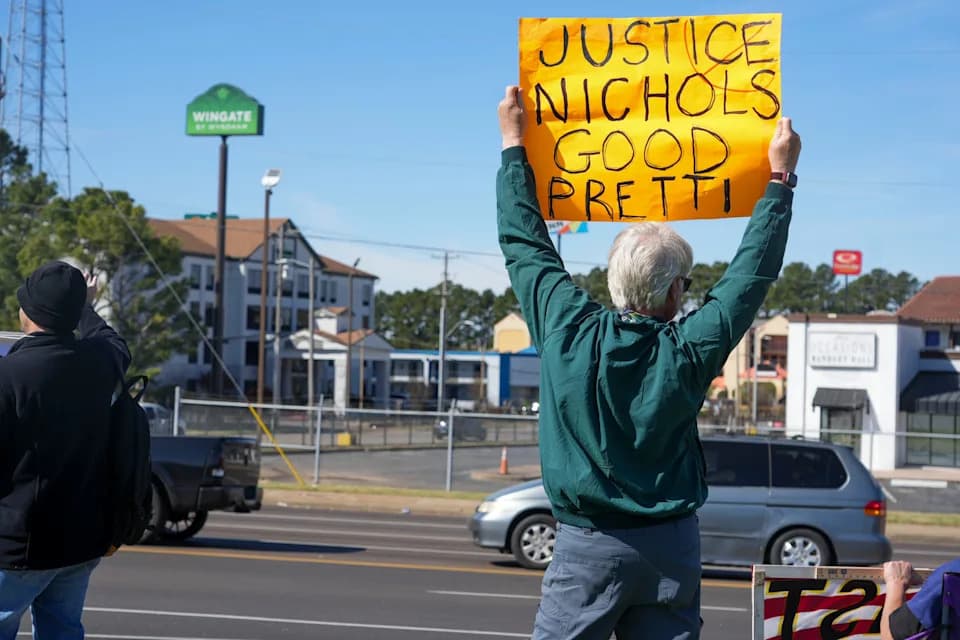
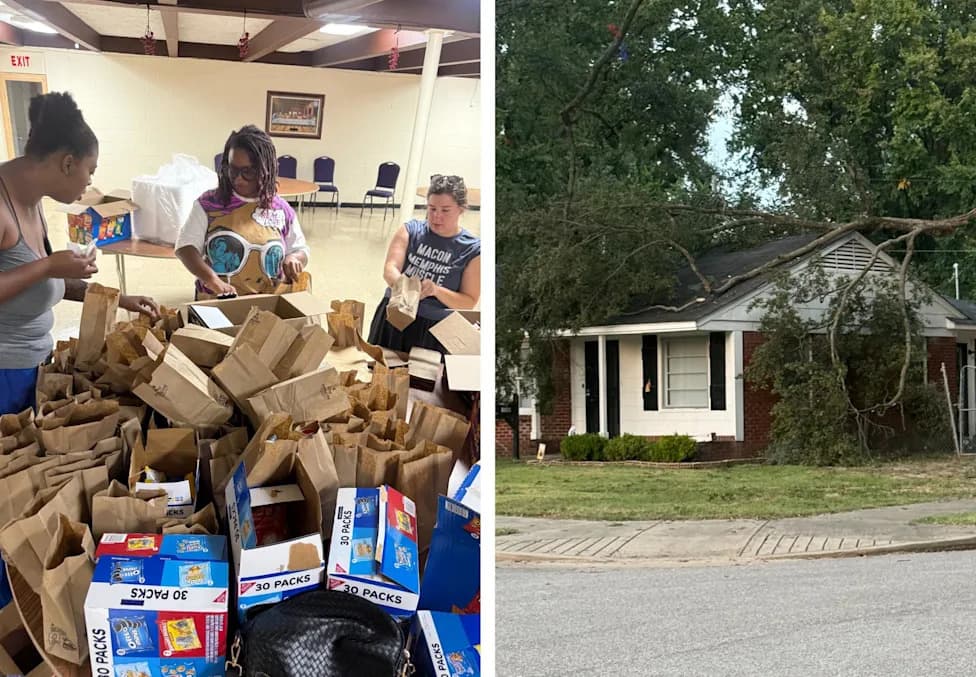
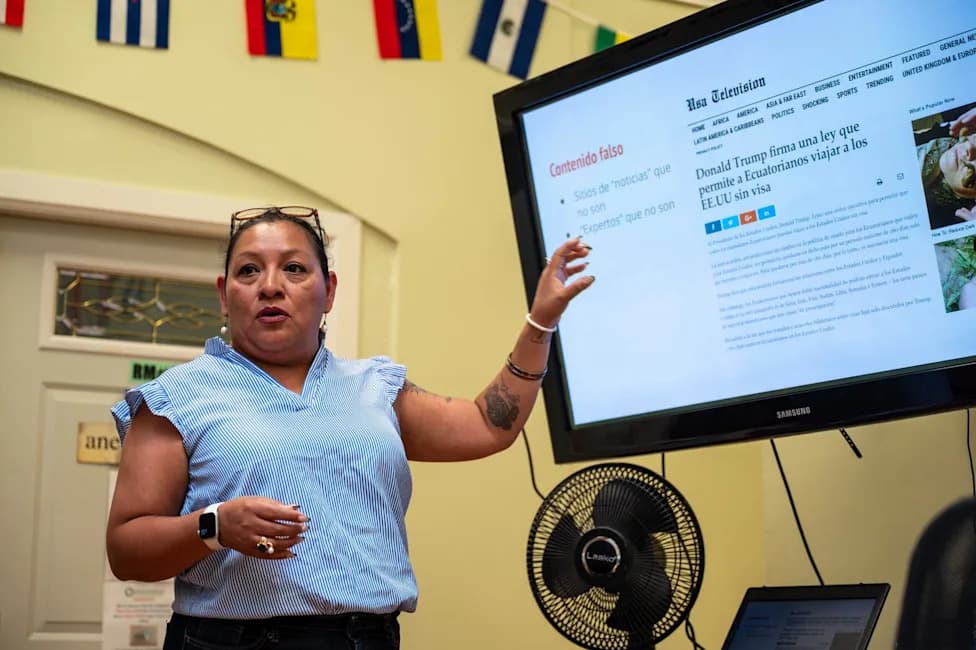
Memphis residents responded with the tools available to them. I was one of many volunteers in a Signal group that grew into the Immigrant Pantry and is now part of Latino Memphis, a local nonprofit serving the Hispanic community. We distributed groceries, joined demonstrations and helped families locate attorneys. No single action removes the fear these families feel, but people did what they could.
In late August, Immigration and Customs Enforcement carried out a raid at El Corralón, a business in Memphis, detaining 121 people. The Department of Homeland Security publicly reported criminal arrests and convictions for five individuals and offered no information about the remaining 116. More than 100 people suddenly faced a crisis that a few bags of groceries could not resolve: rent, utilities and legal expenses would still be due.
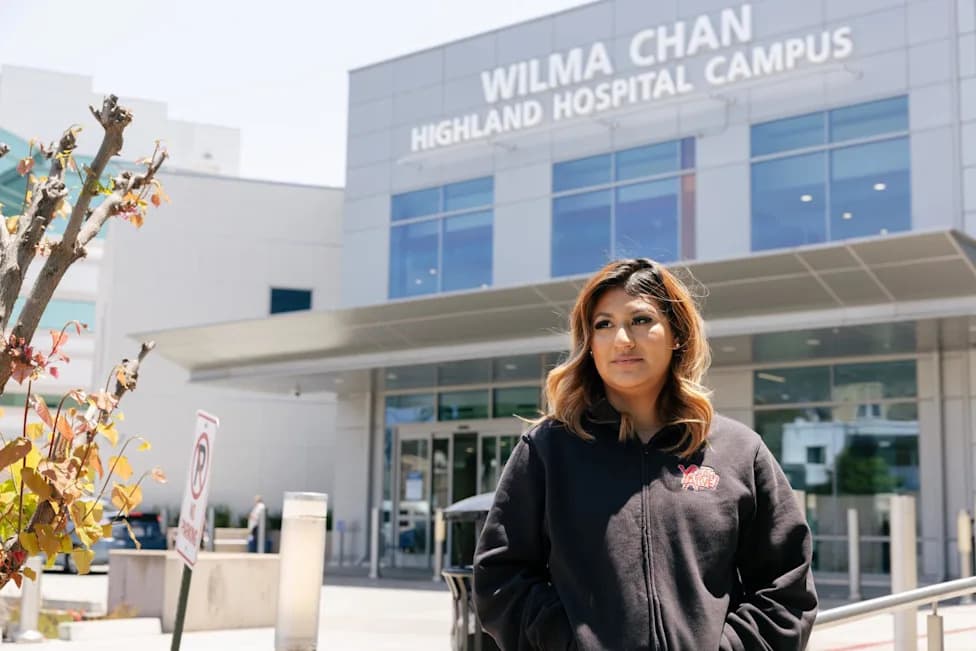
Mauricio Calvo has led Latino Memphis as president and CEO for 18 years. This year, the need surpassed every available resource in a state where comparatively few people were willing to step forward. After the raid, Mauricio drafted a plan to raise $250,000 for emergency food, rent assistance and legal support for affected families. When he sent the plan to me, he admitted he had almost decided not to ask for help.
Last winter, my husband and I made a donation so immigrant families could continue receiving fresh food. That fund had been exhausted just before the raid. I am now in Columbus, Ohio, receiving treatment for chronic leukemia. Mauricio told me he hesitated to ask a friend who had already given and who was also facing a health crisis; he could not bear the thought of worsening that friend’s burden. I read his message one morning and cried.
What it cost him to lead a community living in fear — the quiet burden of explaining an absence to a child, the particular loneliness leaders feel when they need help but worry their request will be too much — all of that weighed on me as I read his words.
Still, Mauricio asked. His courage revealed something I had been reluctant to see: I, too, had been avoiding the question of what we owe one another. I know people with means and influence, and some disagree with me on immigration and politics. Reaching out would make me vulnerable and might cost the social standing that silence had quietly preserved. But that standing matters far less than what these families are carrying.
So my husband and I gave again, and I began asking others to do the same. I wrote to people whose resources could meet an emergency of this scope, including someone whose politics differ from mine and whom I had assumed would not understand. I described the harm to our city and the families who lost the person holding them together. To my surprise, I received an immediate yes.
What had held me back was a convenient verdict I had already made — that someone of different politics could not see the harm in front of us. That verdict let my fear pass for good judgment. I had already said "no" on another's behalf. Mauricio had nearly done the same for me, believing I could not bear to be asked. We were both wrong: the closed door I imagined had been closed by my own hand.
Begin Close To Home
This is not only a Memphis story. Across the country, immigration enforcement is leaving families frightened and communities strained. Many Americans feel overwhelmed by the scale of enforcement or too divided along political lines to know where to begin.
Start close to home. In nearly every city, someone like Mauricio is running a local organization and facing needs too large to meet alone. Find that person. Think of the people in your life you have avoided asking. Ask whether you have already answered for them.
What do we owe one another? Perhaps the courage to ask, and the willingness to hear a request without turning away. Certainly, we owe one another enough of our own comfort so that a family already carrying far too much does not have to bear it alone.
About the author: Gayle Rose is a Memphis civic leader who helped bring the Memphis Grizzlies to the city, founded Team Max in memory of her late son, and serves as a director of the Institute for Public Service Reporting.