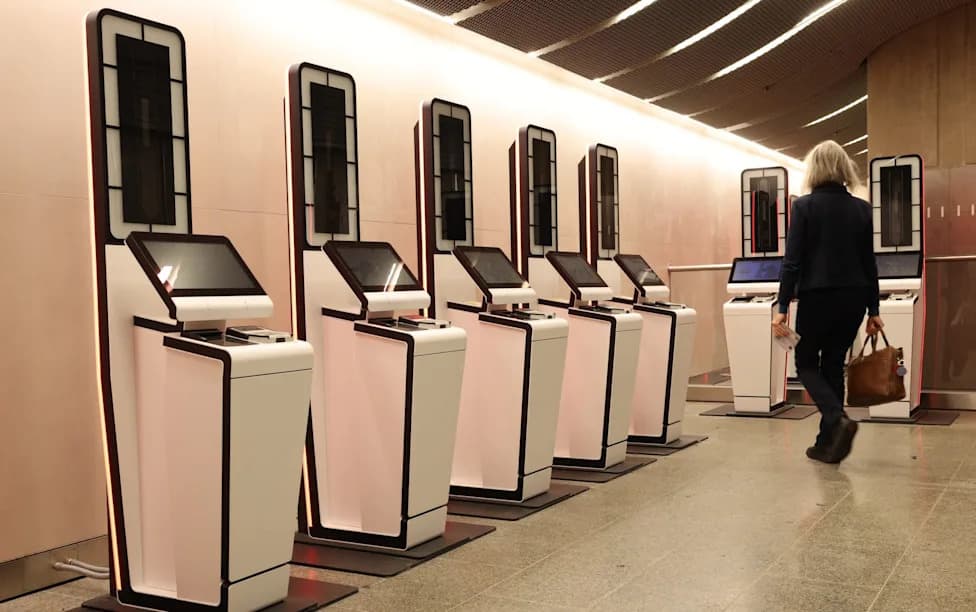
Paula Pugh, 61, was refused entry to Italy on 6 September after the EU Entry-Exit System incorrectly recorded that she had exceeded the Schengen 90-day limit. Despite presenting travel records, she was escorted to Lamezia Terme and flown back to Stansted the same day; Ryanair later charged £297.24. The family faced about £2,000 in additional costs, and Mrs Pugh is working to correct her EES record. Officials advise travellers to check EES records and keep boarding passes to prove exits.
British Tourist Deported After EU Entry-Exit System Glitch — Returned Despite Travel Records

Paula Pugh, 61, from Norfolk, was on her way to celebrate her husband Andrew's birthday in Calabria, Italy – but they never made the holiday
Paula Pugh, 61, was refused entry to Italy on 6 September after the EU Entry-Exit System (EES) erroneously showed she had exceeded the 90-day Schengen limit. The retired HR manager from Norfolk had flown from London Stansted to Reggio Calabria with her husband and cousin for a five-day trip to celebrate her husband’s 60th birthday, but she was stopped at passport control and returned to the UK the same day.
What Happened
Border officials checked Mrs Pugh’s passport against the EES database and were told she had already spent more than the permitted 90 days in the Schengen area. Although she had made three short visits to Spain and one to France earlier in the year — totalling 22 days — the database did not reflect a recorded exit that would keep her within the 90-in-180-days allowance.

The trio was travelling from London Stansted to Reggio Calabria in southern Italy, when their trip was cut short - maudanros/mauro fanzini
“There are five policemen at one point in the booth, looking at my information but with no communication to me. I don’t know what is going on,” Mrs Pugh told The Telegraph. “Then one of them...says, quite loudly: ‘You’ve exceeded 90 days in 180. You have to come with me. You cannot enter.’”
Detention and Deportation
Mrs Pugh says she was held under police escort, denied an interpreter, and asked to sign a document stating she had overstayed — which she refused. The nearest same-day flight to the UK was from Lamezia Terme, about 80 miles away; police escorted her there separately from her family. She describes being marched through the terminal under guard, placed on a bus to the aircraft with officers, and having her passport retained by the captain for the duration of the flight to Stansted.
The family estimates they incurred roughly £2,000 in additional costs, including a Ryanair charge of £297.24 billed to Mrs Pugh’s card for the return flight. Ryanair told reporters such charges are standard for passengers deemed inadmissible.
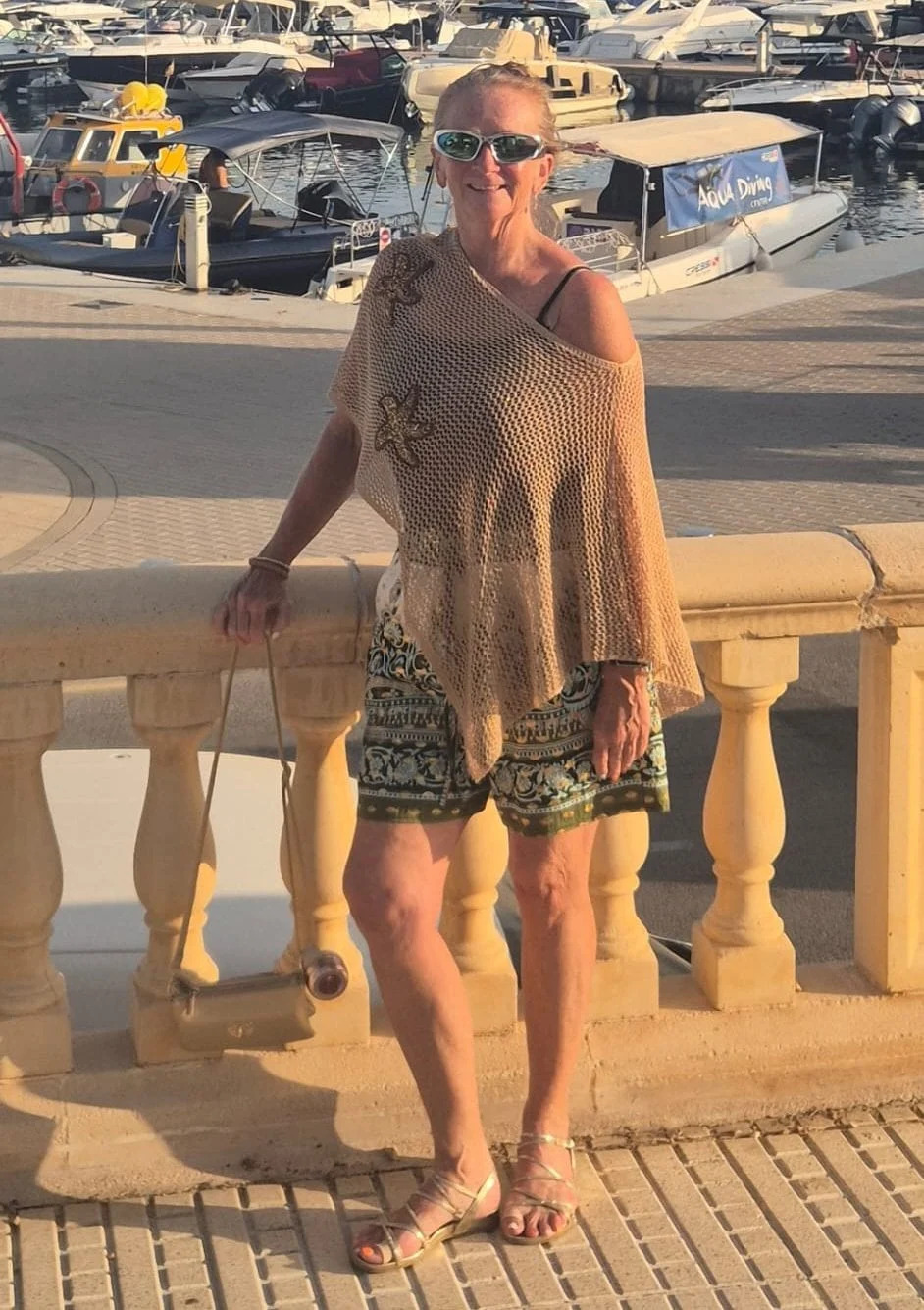
'At no point was I told when I'd get it back, or what was happening,' says Paula Pugh, who was refused an interpreter - Andrew Pugh
Systems, Advice and Next Steps
The EES — intended to log all entries and exits to and from the Schengen zone — has been in full operation since April 2026, but travellers have reported errors, including missing departure records. The European Commission provides an online tool that lets travellers check how many days they are recorded as having remaining under the EES. Officials advise contacting the competent authorities in the member state where you last entered or exited Schengen to correct records; in Mrs Pugh’s case, that would be Spain (she departed Ibiza on 3 August).
The UK Foreign, Commonwealth & Development Office (FCDO) warns that overstaying the 90-day visa-free allowance can result in a ban of up to three years from Schengen countries and recommends travellers read updated FCDO travel guidance on the EES before travelling.
Impact
Mrs Pugh is now seeking correction of her EES record and has warned other travellers to verify their EES status before travelling. She said the experience was distressing and left her worried about future trips.
What Travellers Can Do:
- Keep boarding passes and travel records to demonstrate exits and entries.
- Use the European Commission’s EES online tool to check recorded days.
- Contact the competent authority in the country of last entry/exit if records appear incorrect.
- Consult FCDO travel advice for the latest guidance on EES rules for British travellers.
Help us improve.