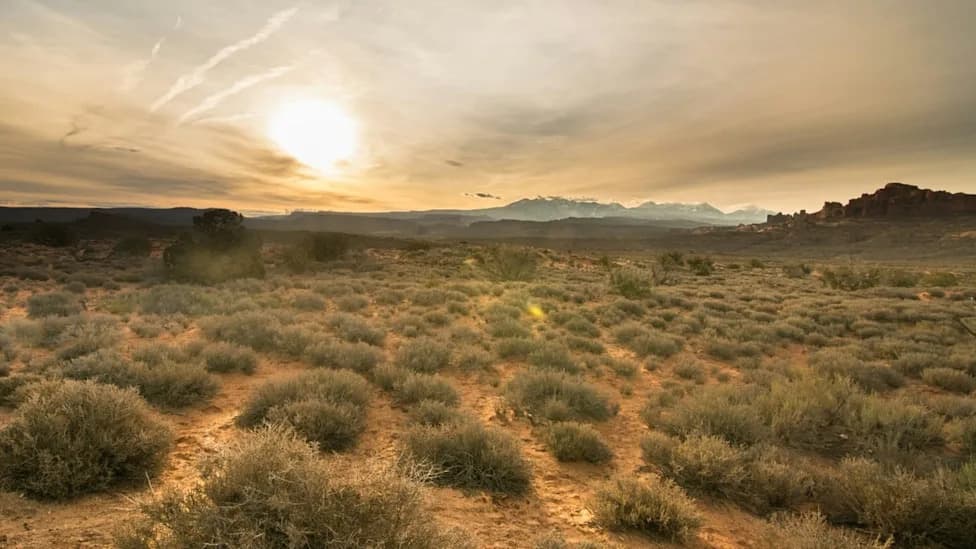
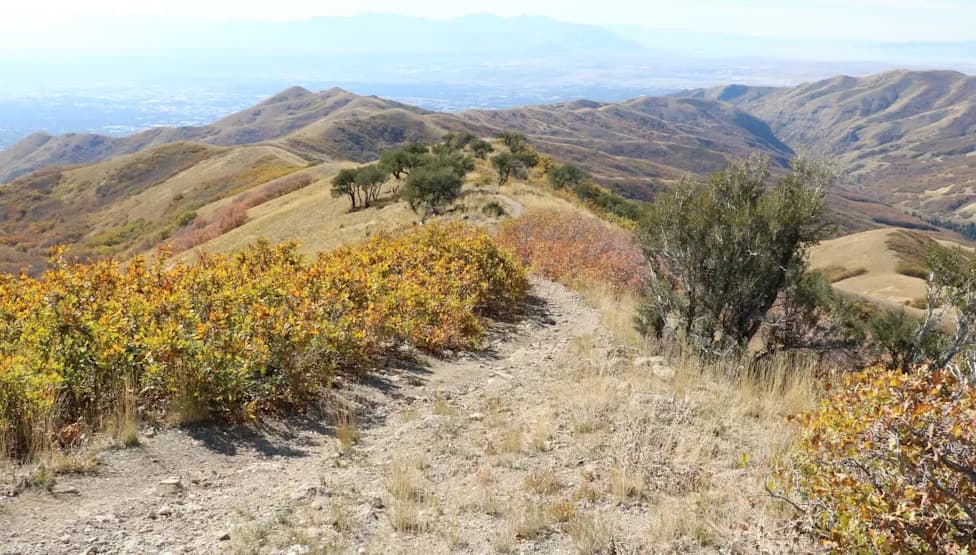
The UCLA-led study, published in Science Advances, reports an approximate 10% decline in global atmospheric dust from 2003 to 2023 based on satellites, ground observations and models. Because dust typically produces a modest cooling effect, its decline likely contributed slightly to net warming. Major dust sources include the Sahara and Asian deserts like the Gobi, but the study did not determine a definitive cause for the decrease. Changes in dust also affect nutrient transport, air quality and snow/ice reflectivity.
Global Airborne Dust Dropped ~10% From 2003–2023, UCLA Study Finds — Likely Added Modest Warming
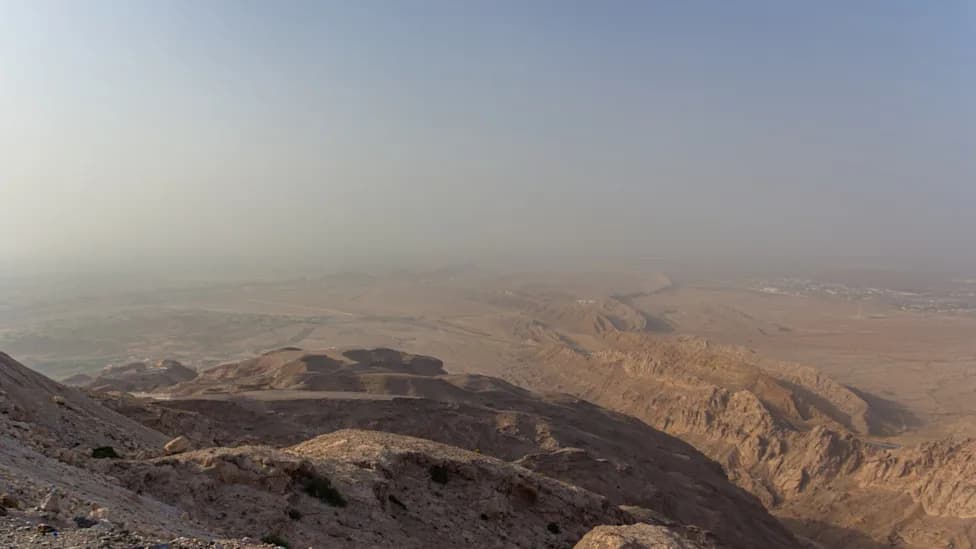
Photo Credit: iStock
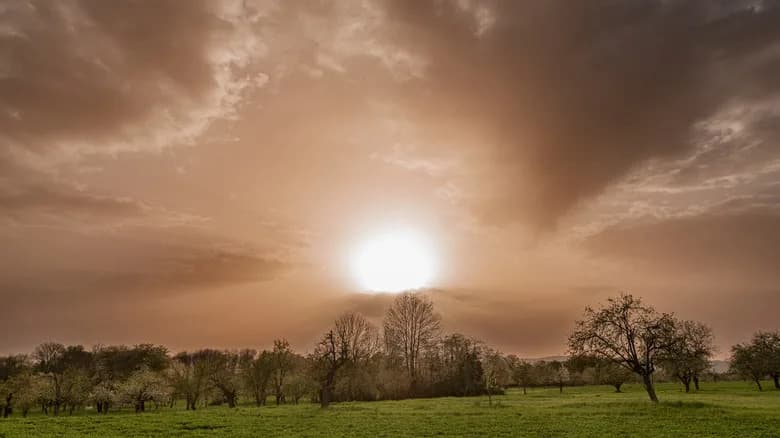
A UCLA-led analysis published in Science Advances finds that the global atmosphere carried roughly 10% less desert dust between 2003 and 2023. Using two decades of observations and models, the team reports what it describes as the strongest evidence to date that atmospheric dust declined in the early 21st century — a change that may have slightly amplified warming.
What the Study Did
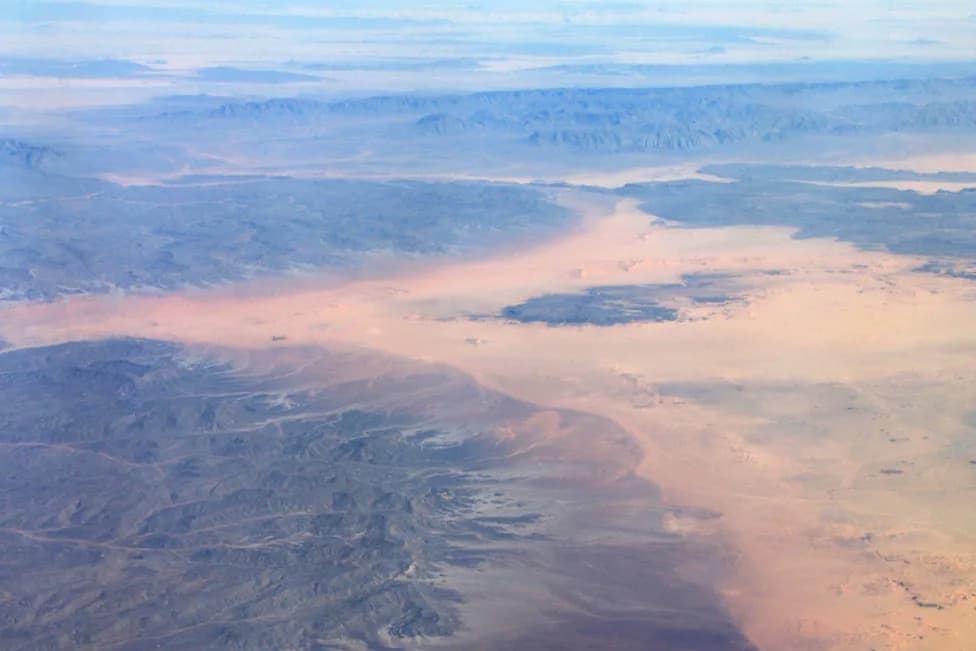
Researchers combined satellite records, ground-based measurements and atmospheric modeling to quantify changes in particulate dust suspended in the atmosphere over the 2003–2023 period. The multi-method approach strengthens confidence in the trend by cross-checking independent data sources and simulations.
Key Findings
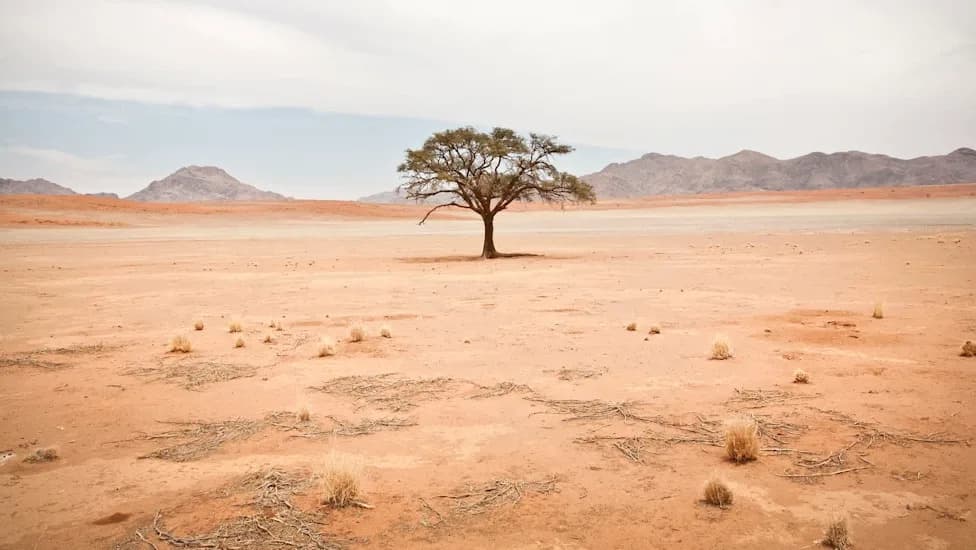
The analysis estimated a near 10% drop in airborne dust globally. Much of the dust normally originates in Northern Hemisphere deserts, including the Sahara and major Asian sources such as the Gobi. Despite documenting spatial patterns and trends, the team did not identify a single definitive cause for the decline.
"This is the strongest evidence to date that Earth's atmosphere became less dusty in the early 21st century," said lead author Ashok Gupta, who conducted much of the analysis while at UCLA and is now a staff scientist at Vanderbilt University.
Co-author Jasper Kok, a UCLA atmospheric scientist and principal investigator on the project, noted the recent decline contrasts with a longer-term pattern: atmospheric dust rose through much of the 20th century and peaked near the 1980s, so the new downward trend is a notable reversal.
Why It Matters
Atmospheric dust generally exerts a modest cooling influence by reflecting sunlight and interacting with clouds. A reduction in dust removes some of that cooling, so the observed decline likely made a small contribution to net warming on top of human-caused greenhouse gas warming.
Dust also carries minerals and nutrients that fertilize soils and oceans, but it can worsen air quality and darken snow and ice surfaces, reducing their reflectivity (albedo). Therefore, changes in dust loading have implications for ecosystems, human health, cryosphere processes and regional climate.
Uncertainties And Next Steps
The study carefully quantifies the decline but does not settle why it occurred. Potential drivers — including changes in wind patterns, precipitation, vegetation cover, land use and human activities — remain hypotheses that require targeted research. Continued observations and improved models will be needed to pin down causes and assess future trends and impacts.
Bottom line: A near 10% fall in global atmospheric dust from 2003 to 2023 is likely real and — because dust cools the planet slightly — has probably added modestly to recent warming, while also affecting ecosystems and air quality.
Help us improve.