Russia dispatched a four‑vessel convoy to Tartous on Sept. 7, marking the first resupply under the Moscow–Damascus memorandum signed in August after 18 months of talks. The deal redesignates Tartous port and the Hmeimim air base as "joint training and capacity‑building centres," with Syria taking civilian control. Satellite imagery showed the cargo ship Sparta and the replenishment oiler Akademik Pashin in port while the tanker General Skobelev remained offshore; both vessels face Western sanctions. The move underscores Russia's effort to protect its two bases amid shifting political dynamics in Syria.
Russia Conducts First Resupply to Tartous Under New Moscow–Damascus Deal
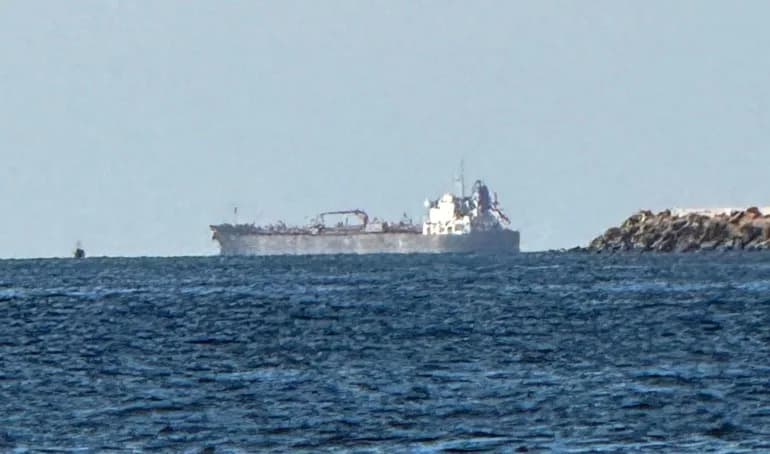
One of the Russian vessels that delivered supplies to coastal facilities in Syria long used by Moscow's military [Pleiades/CNES/Airbus DS/Handout via Reuters]
A Russian convoy delivered supplies to the port of Tartous on September 7 — the first resupply operation under the Moscow–Damascus memorandum signed in August after 18 months of negotiations.
Four vessels arrived alongside Syria's western coast, signalling that Moscow continues to service its military facilities at Tartous port and the Hmeimim air base under the newly agreed terms.
What the Agreement Says
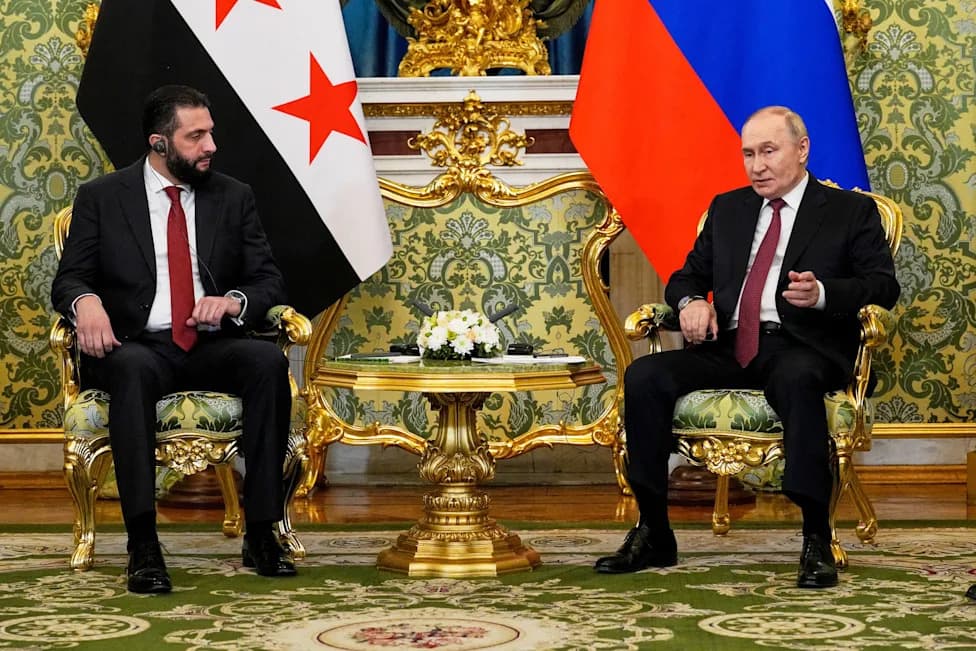
According to the Syrian Foreign Ministry, the memorandum of understanding will convert Tartous and Hmeimim — long Moscow's principal footholds in the Mediterranean and the Middle East — into "joint training and capacity-building centres". Under the deal, Syria will assume control of civilian operations at both facilities. Russian President Vladimir Putin and his Syrian counterpart, Ahmed al‑Sharaa, have continued talks on the bases' future.
Satellite Imagery and Sanctions
Satellite imagery verified by Reuters showed the cargo vessel Sparta docked in Tartous alongside the navy replenishment oiler Akademik Pashin, while the Russian tanker General Skobelev remained offshore. Sparta has long handled Russian military logistics in Syria; both Sparta and General Skobelev are listed under Western sanctions.
One of the Russian vessels that delivered supplies to coastal facilities in Syria long used by Moscow's military. [Pleiades/CNES/Airbus DS/Handout via Reuters]
Political Context
Moscow intervened militarily to support former Syrian President Bashar al‑Assad during Syria's 13‑year civil war. His removal in 2024 sharply curtailed Russia's influence across the Middle East. Since then, Russia has worked to rebuild ties with the new Syrian administration to safeguard its only two military facilities outside the former Soviet Union, even as Damascus continues to demand Assad's extradition from Moscow.
Why it matters: The resupply demonstrates the practical continuation of Russian military logistics under a new legal framework, while the agreement signals a partial transfer of civilian control to Damascus and an effort to formalize long-term cooperation despite recent political ruptures.
Help us improve.