Federal appeals judges dismissed a Jackson, Mississippi lawsuit over lead-contaminated water, ruling the Constitution does not guarantee truthful information from officials during public-health emergencies. The decision echoes newly released documents showing New York officials repeatedly reassured the public about post-9/11 air safety despite later evidence of long-term harms. Advocates point out that some states and countries protect the right to clean air and water, while critics warn the ruling undermines government accountability and could provoke political and civic backlash.
Federal Appeals Court Says Government Has No Constitutional Duty To Tell The Truth — A Ruling With Dangerous Implications
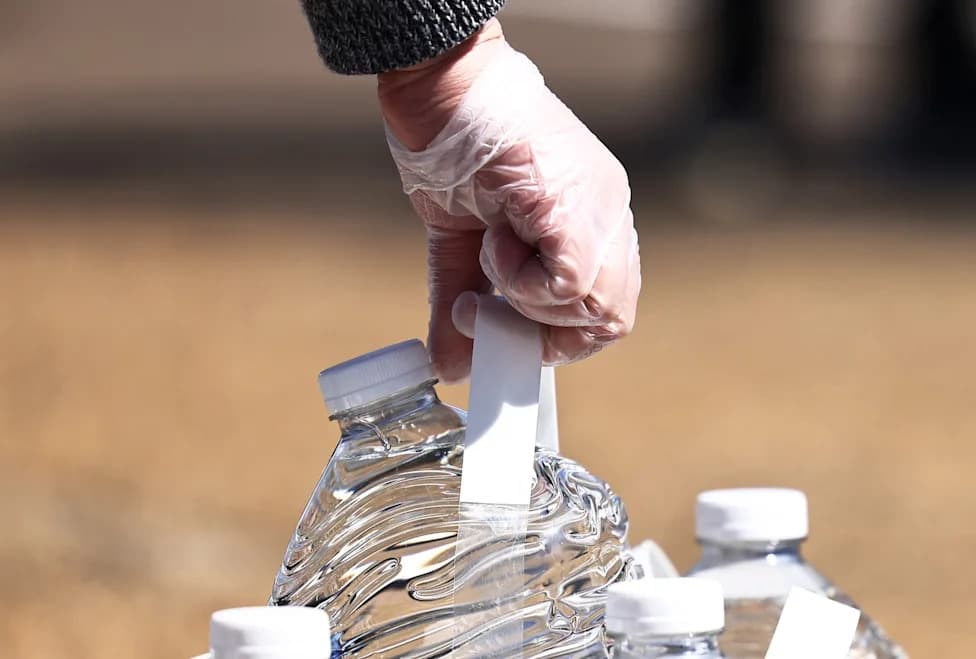
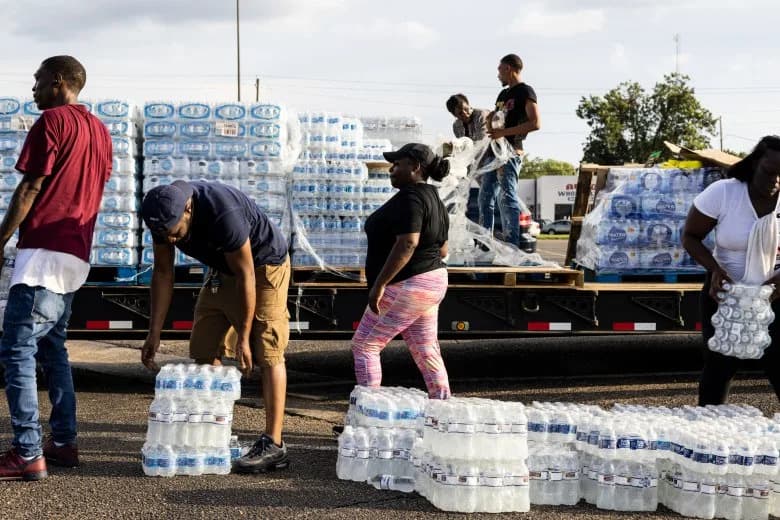
A volunteer grabs a gallon of water at a water and food distribution drive held by College Hill Baptist Church and the World Central kitchen on March 07, 2021 in Jackson, Mississippi. Residents in parts of Jackson, Mississippi, where 80% of the residents are Black, have been without running water since mid-February after the city was hit by back-to-back winter storms. Photo by Michael M. Santiago/Getty Images
A federal appeals court recently dismissed a lawsuit alleging that Jackson, Mississippi, knowingly exposed residents to lead-contaminated water and withheld accurate information about the danger. In a blunt opinion, Judge Kurt Engelhardt, a Trump appointee on the U.S. Court of Appeals for the Fifth Circuit, wrote that "The Constitution does not provide redress for every governmental wrongdoing," and concluded that the harms, while "grievous," did not violate any "deeply rooted constitutional right." Most strikingly, Engelhardt stated there is no "constitutional right to truthful information from officials during a public health crisis."
Why This Ruling Matters
The decision arrives amid intense political debate — from voting-rights fights to redistricting disputes — but it deserves focused attention because of its broader implications for government accountability. If courts accept that officials have no constitutional obligation to be truthful about health risks, citizens may be left without a legal remedy when toxic exposures or misinformation cause long-term harm.
Echoes of 9/11 Reporting
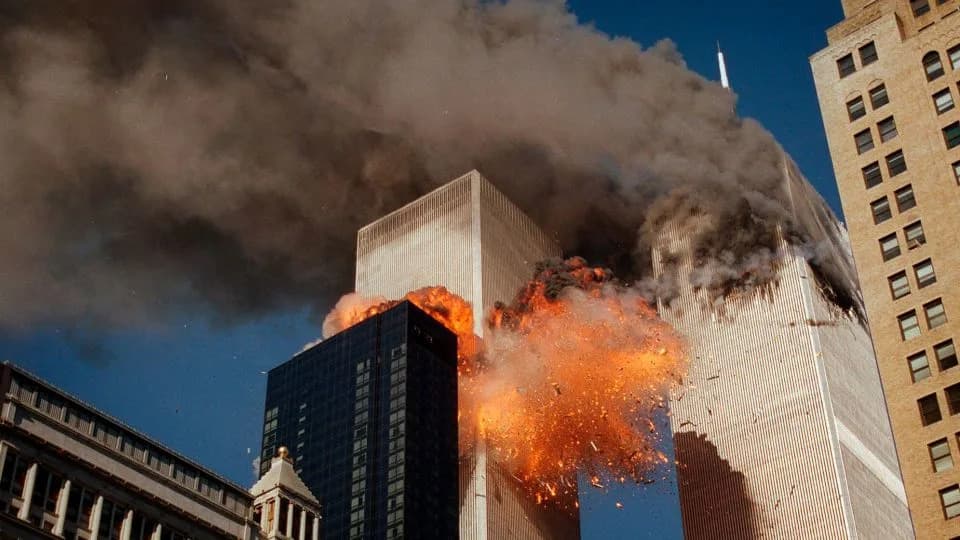
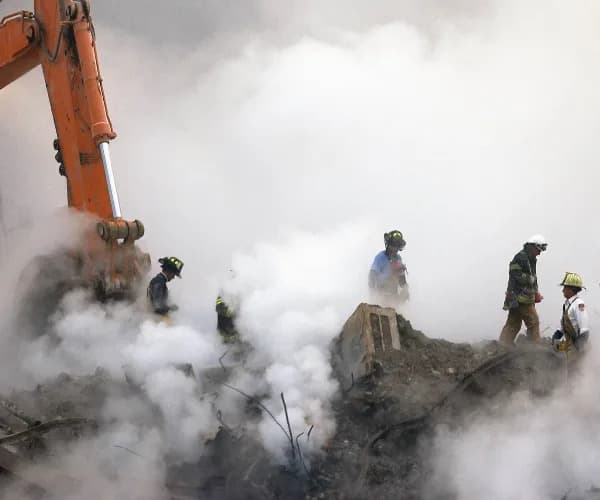
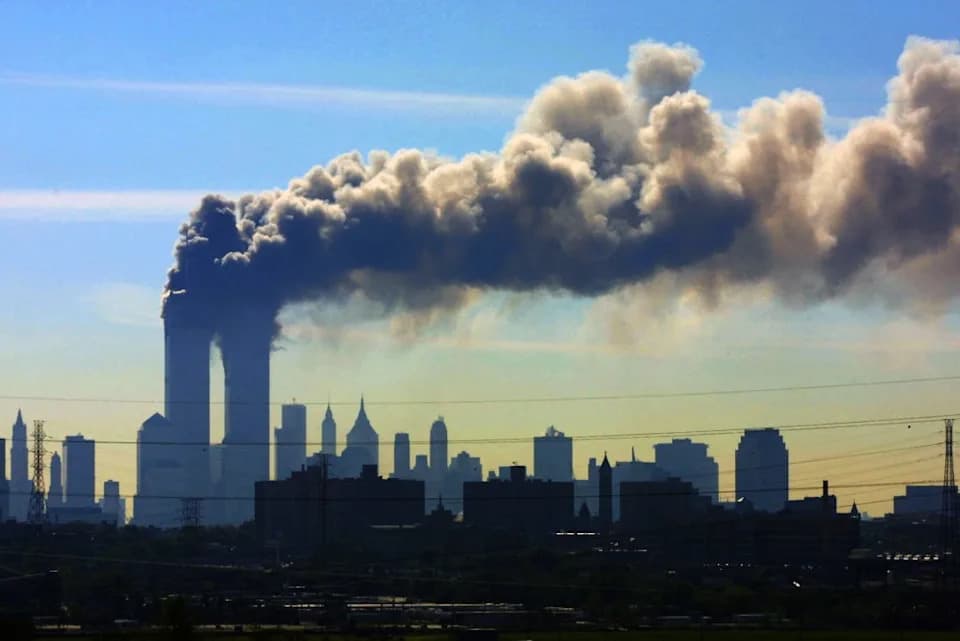
The ruling resonates with newly released files about post-9/11 air quality in New York City. Ahead of the 25th anniversary of the attacks, Mayor Zohran Mamdani made public roughly 170,000 documents that reporters say show officials repeatedly assured the public that the air near Ground Zero was safe. Subsequent reporting and emerging health data indicate many people exposed in the aftermath now face elevated risks of cardiovascular and respiratory disease and cancer.
"We were dying with every breath we took down there. What we learned is that the city knew it," said Lt. James Brosi, president of New York City's Uniformed Fire Officers Association, in an interview with CNN.
Recent coverage in The Washington Post has also reported that the number of 9/11 survivors receiving cancer-related aid has roughly tripled over the last five years. Taken together, these developments highlight the real-world consequences when public authorities minimize, misstate, or fail to disclose public-health risks.
Legal, Moral, and Practical Stakes
Legally, Engelhardt’s reasoning rests on a narrow reading of constitutional text and precedent. Practically and morally, the implications are far-reaching. The expectation that government agencies — like the Environmental Protection Agency — will protect public health and reliably inform people about risks underpins citizens’ trust in institutions. If that expectation erodes, the ability to respond effectively to future crises is diminished.
Some jurisdictions take a different approach. As reporting from Mother Jones and other outlets notes, at least nine U.S. states and more than a dozen countries recognize legal protections for clean water. Uruguay and South Africa, for example, enshrine a right to clean water in their constitutions. New York State amended its constitution in 2021 to affirm that "each person shall have a right to clean air and water, and a healthful environment," and Massachusetts has protected the right to clean air and water since 1972.
The contrast with Jackson is stark. Jackson is more than 80 percent Black and has a poverty rate well above the national average. Those demographics, paired with long-standing infrastructure and service challenges, raise clear questions about racial and economic disparities in how environmental harms are managed and litigated.
What Could Come Next
When legal avenues for redress are limited or perceived as ineffective, aggrieved communities may turn to politics, protests, media scrutiny, or state-level remedies. Erosion of institutional trust can also make coordinated responses to future public-health threats harder to achieve. The potential backlash — from civic pressure to electoral consequences — could be substantial if communities feel they have been poisoned and then denied truthful information.
Courts may be constrained by precedent, but lawmakers and regulators can still act. States and municipalities can codify stronger protections for clean air and water, strengthen transparency rules for public-health communication, and create clearer liability for officials who knowingly mislead the public. Those policy paths could help restore accountability and public confidence.
Whatever the legal technicalities, this ruling should spark a broader public conversation about the duties of government: to provide safe infrastructure, to disclose known risks honestly, and to ensure that vulnerable communities are not left bearing the brunt of public-health failures.
Help us improve.