Mexican authorities dismantled a 300‑GPU cryptocurrency mining farm near Tlaola in early September 2026, seizing 300 GPUs, 80 medium‑voltage terminals, eight satellite antennae and a pedestal transformer. Investigators suspect the operation tapped power from the nearby Nuevo Necaxa hydroelectric complex; it is the fourth clandestine farm found near the dam since early 2025. Analysts link cartel‑associated mining to revenue generation and crypto laundering amid rising illicit crypto volumes and tightening GPU supply due to AI data centres.
Inside the 300‑GPU Crypto Farm Bust Near Nuevo Necaxa: Power Theft, Cartels and a Growing Illicit Market
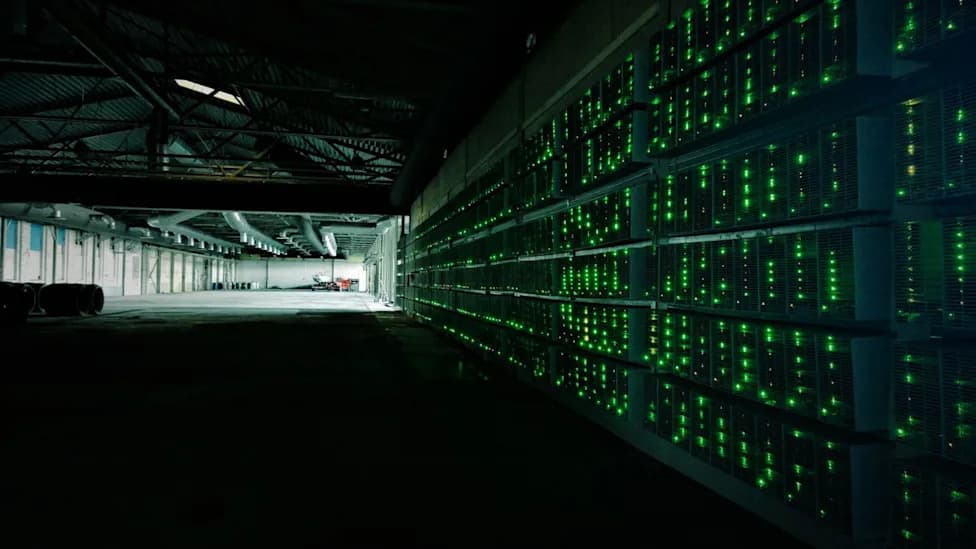
Image: Flickr - Marko Ahtisaari
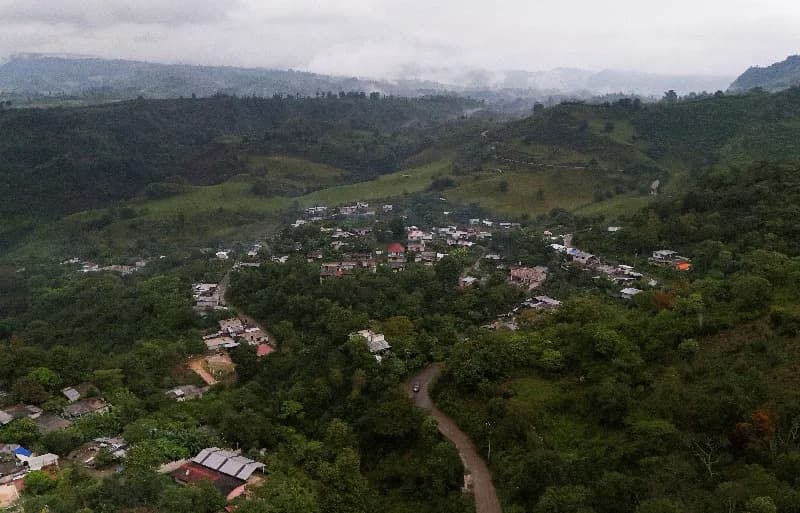
Residents near Tlaola, a town of about 20,000 in Puebla's Sierra Norte, reported a constant mechanical drone audible from roughly a kilometre away. In early September 2026, Mexican federal and state authorities raided the site and uncovered a fully operational cryptocurrency mining installation powered by 300 GPUs — equipment investigators say was likely running on stolen hydroelectric power. This was the fourth clandestine mining farm discovered near the Nuevo Necaxa dam since early 2025.
What Authorities Found
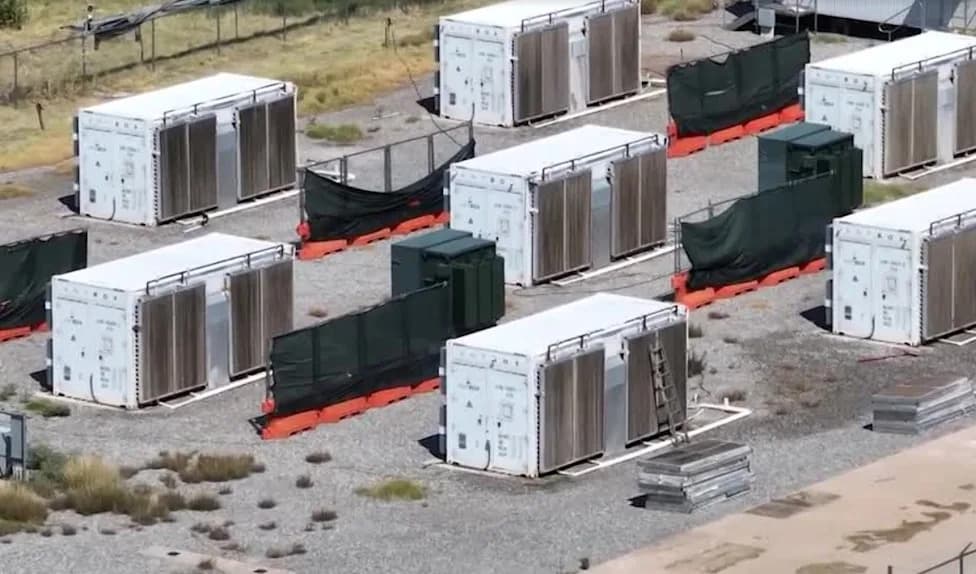
An interagency operation involving Mexico's federal prosecutors (FGR), the Navy (SEMAR) and the Puebla state security ministry (SSP) secured the property and dismantled the facility. Officials reported seizing:
- 300 graphics processing units (GPUs)
- 80 medium‑voltage terminals
- Eight satellite antennae
- A pedestal‑mounted transformer consistent with heavy electrical draw
Investigators are probing whether the installation siphoned power from the nearby Nuevo Necaxa hydroelectric complex. Authorities described the site as suspected organized‑crime infrastructure; no specific cartel has been officially named while attribution continues.
Technical and Operational Notes
Three hundred GPUs places this farm far beyond a household rig but below the scale of major commercial operations. Official documents listed the devices only as “specialized computers type GPU.” After Ethereum's 2022 shift away from proof‑of‑work, secondary markets were flooded with used mid‑range cards, enabling illicit operators to acquire RTX 30‑series‑class hardware cheaply. Since Bitcoin mining is now largely ASIC‑dominated, coins still efficiently mined with GPUs — notably Monero and some altcoins — remain attractive targets.
The eight satellite antennae likely helped the operators avoid local ISP monitoring while maintaining low‑latency connections to mining pools. The portability of GPUs and satellite terminals means a dismantled farm can be rebuilt quickly, analysts warn.
Financial and Criminal Context
Mexican authorities have started applying the term “huachicoleo” — historically used for fuel theft — to electricity theft as criminal groups pivot toward energy infrastructure that converts stolen power directly into digital assets. Cybersecurity firm SILIKN reported a 55.8% year‑on‑year rise in crypto use for money laundering in Mexico in 2025 and cited UN and DEA estimates that cartel crypto laundering may reach up to $25 billion annually. Chainalysis' 2026 Crypto Crime Report estimated global illicit cryptocurrency volume at $154 billion in 2025, a 162% jump from the prior year.
Cartel‑linked mining can serve dual purposes: generating revenue by converting stolen electricity into cryptocurrency and providing a laundering layer by mixing mined coins with drug proceeds via privacy coins and low‑KYC platforms.
Legal, Market and Policy Implications
Cryptomining itself is not illegal in Mexico; prosecutions depend on proving electricity theft, money laundering, or links to organized crime — each of which carries a distinct evidentiary burden. Meanwhile, AI data centres continue to absorb top‑tier GPUs and push hardware prices upward, leaving illicit operators to rely on older cards powered by stolen electricity. Observers say increased regulatory pressure on mining pools, exchanges and high‑risk jurisdictions is likely, along with intensified investigations into energy infrastructure vulnerabilities.
Bottom line: The Nuevo Necaxa region has become a repeat target for clandestine GPU farms, highlighting how energy theft and digital asset laundering intersect with organized crime and raising broad legal and policy challenges.
Help us improve.