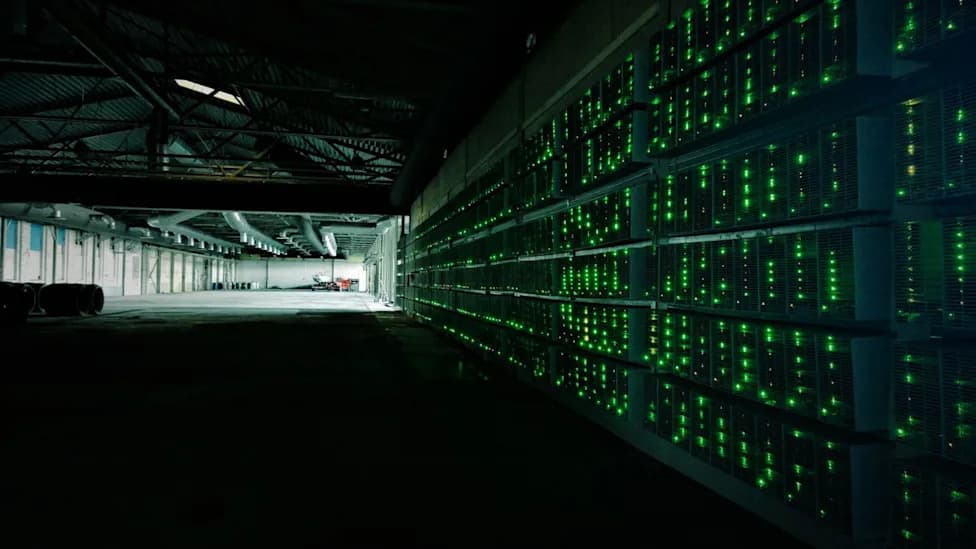
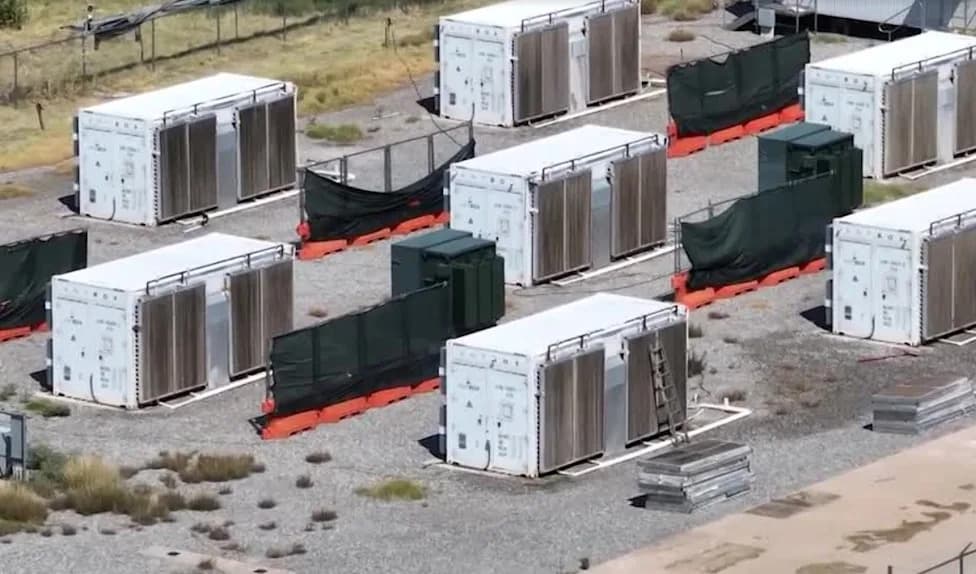
Authorities discovered a clandestine crypto‑mining site in the Sierra Norte hills of Puebla, Mexico, equipped with 300 GPUs, 80 medium‑voltage terminals and eight satellite antennae. The operation — the fourth of its kind found locally since last year — is suspected of laundering cartel proceeds and possibly tapping a nearby hydroelectric dam for power. Chainalysis reports illicit crypto flows surged to $154 billion in 2025, driven in part by sanctions evasion, while experts warn that stolen electricity can make mining highly profitable.
Hidden Crypto Farm in Puebla Mountains Exposes Cartel Money-Laundering Tactics
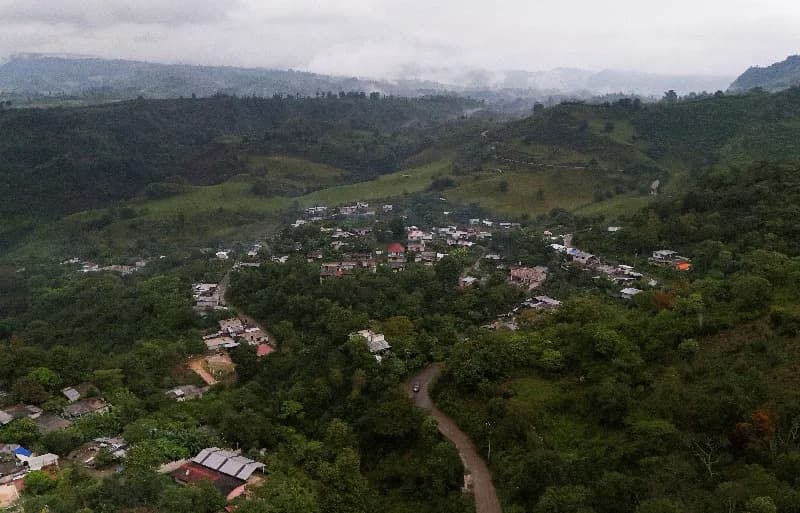
A drone view shows a community near the building where authorities said they found a suspected illegal cryptocurrency mining operation that was allegedly drawing power from infrastructure linked to a nearby hydroelectric system, in Tlatlapanala, Puebla state, Mexico, September 8, 2026. REUTERS/Daniel Becerril
Nestled in the green slopes of Mexico's Sierra Norte, a ramshackle facility beside a little-used gravel road drew investigators with a persistent mechanical roar. Authorities say the noise, together with an unusually high power draw used to run and cool hundreds of specialized computers, led them to what they suspect was a clandestine cryptocurrency-mining operation used to launder illicit funds.
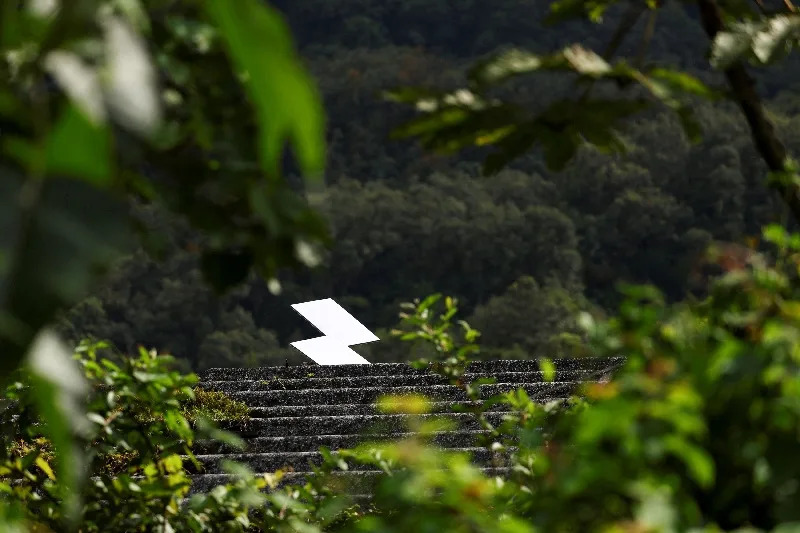
Starlink antennas on the building where authorities said they found a suspected illegal cryptocurrency mining operation that was allegedly drawing power from infrastructure linked to a nearby hydroelectric system, in Tlaola, Puebla state, Mexico, September 8, 2026. REUTERS/Daniel Becerril
Discovery and Evidence
Local inspectors in Tlaola, Puebla, found 300 graphics processing units (GPUs), 80 medium-voltage terminals and eight satellite antennae — equipment set up to compete with millions of machines worldwide to solve cryptographic puzzles and mint new coins such as bitcoin. While modest by large commercial standards, officials said this was the fourth suspected cartel-linked mining site discovered in the area since early last year.
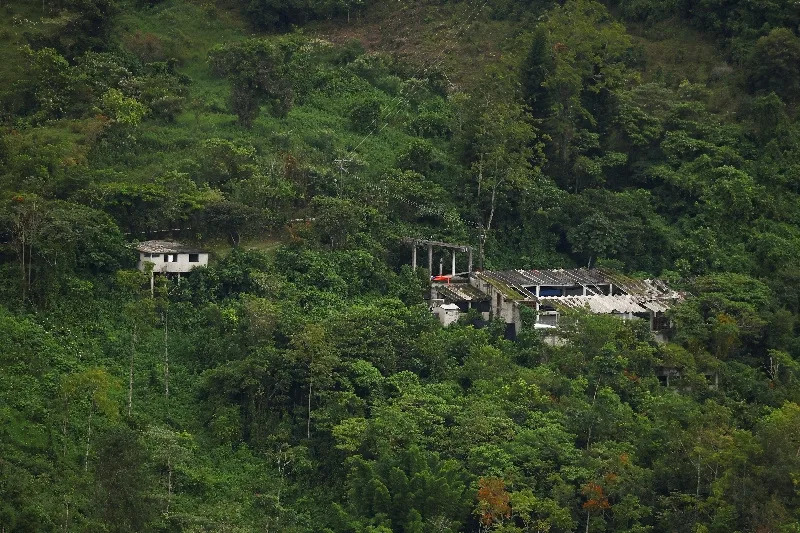
A view of the building where authorities said they found a suspected illegal cryptocurrency mining operation that was allegedly drawing power from infrastructure linked to a nearby hydroelectric system, in Tlaola, Puebla state, Mexico, September 8, 2026. REUTERS/Daniel Becerril
“Setting up an operation like this requires technical know‑how and the backing of a well‑financed organization,” said David Saucedo, a Mexico‑based security analyst. Mexico’s federal attorney’s office declined to comment, citing an active investigation.
Electricity Theft and Profitability
Energy is the biggest cost in crypto mining. The University of Cambridge's Bitcoin Electricity Consumption Index estimates the electricity cost to mint one bitcoin at nearly $45,000 — while market prices were around $78,000 at the time of reporting. Experts say that if operators steal power, the primary operating cost essentially disappears, greatly boosting potential profits.

Workers ride their bicycles along a path that leads to the building where authorities said they found a suspected illegal cryptocurrency mining operation that was allegedly drawing power from infrastructure linked to a nearby hydroelectric system, in Tlaola, Puebla state, Mexico, September 8, 2026. REUTERS/Daniel Becerril
Mexican authorities are probing whether the Puebla farm was tapping electricity from a nearby hydroelectric dam. Samuel Leon, an energy‑theft specialist at Iberoamericana University, noted that mining rigs hidden in remote areas and supplied with illicit power can be highly profitable despite modest hardware counts.

A view shows rolls of ducting and wiring outside the building where authorities said they found a suspected illegal cryptocurrency mining operation that was allegedly drawing power from infrastructure linked to a nearby hydroelectric system, in Tlaola, Puebla state, Mexico, September 8, 2026. REUTERS/Daniel Becerril
Why Cartels Are Turning to Crypto
Blockchain analytics firm Chainalysis reported that wallet addresses linked to illicit activity received an estimated $154 billion in 2025 — more than double the $59 billion recorded the year before. Chainalysis attributes much of the increase to sanctions evasion and other illicit cross‑border transfers. Caio Motta, the firm's Latin America specialist, said cartels increasingly use both crypto transfers and mining to move and disguise proceeds.
“These locations often offer very cheap electricity or are under the influence of organized crime, enabling operators to steal power and build a sizeable mining infrastructure,” Motta said.
Enforcement and Global Context
Authorities in Puebla are coordinating with neighboring states to search for additional hidden operations. Similar raids have occurred in Brazil, the United States and across Southeast Asia, including a major bitcoin‑mining sweep in Thailand that spanned five provinces. Investigators say law enforcement capabilities for tracing illicit crypto flows are improving, but wider adoption of virtual currency may push crypto‑linked crime higher in the near term.
The investigation in Puebla remains active. Officials have yet to confirm arrests or charges; federal authorities declined to comment beyond noting the inquiry is ongoing.
Help us improve.