Captain Justin Dymond of Crystal River, Florida, has developed a rare nighttime relationship with a small group of bottlenose dolphins that now flush fish toward his bowfishing boat. Researchers, including Stefanie Gazda and Mauricio Cantor, are studying whether this is true cooperation or opportunistic feeding, and how the behavior affects dolphin social networks and local ecosystems. The partnership has also turned Dymond into an on-the-water advocate for the river's declining health.
From Nuisance to Nighttime Partners: How a Florida Bowfisher Became Friends With Dolphins
This Florida Angler Saw Dolphins as a Nuisance. Now They’re His Hunting Buddies.
One July evening just before sunset, Captain Justin Dymond motors his skiff away from a marina on Florida’s Nature Coast and slips into a quiet stand of mangroves. He kills the engine and waits — not for fishers, but for familiar fins.
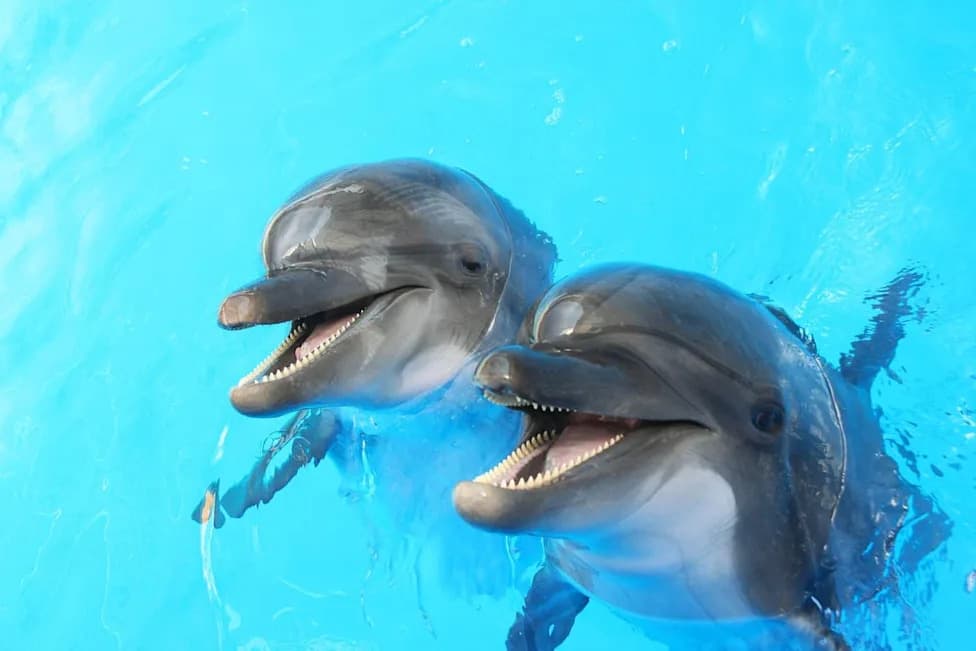
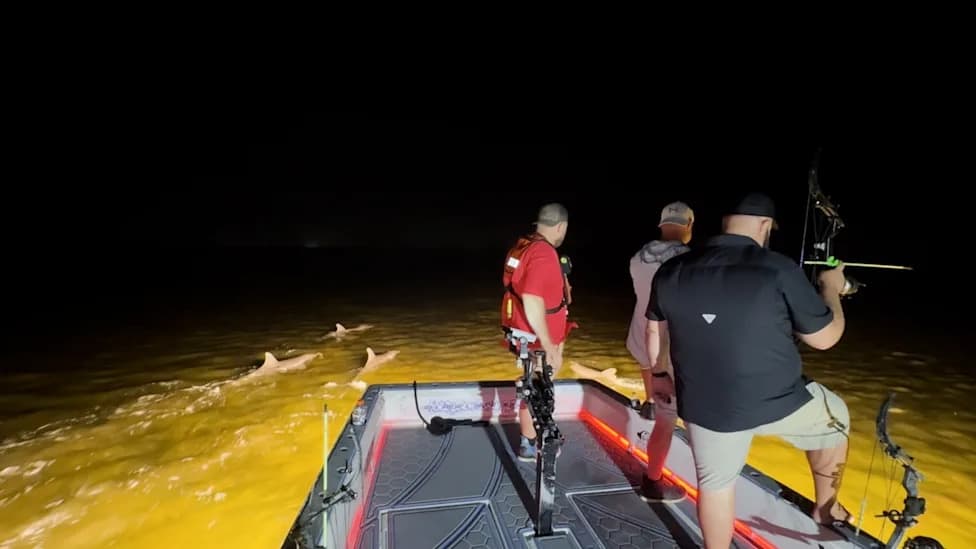
Dymond has guided night bowfishing trips on the Crystal River for years. What began as frustration with dolphins scattering fish around his boat has evolved into an unusual nightly collaboration: a small group of bottlenose dolphins now regularly accompanies Dymond, flushing fish toward his bowfishing crew and turning what was once competition into a shared hunt.
Night Hunts and Named Companions
As darkness falls, the boat lights pick out mullet, snook, redfish, sheepshead, stingrays, sea turtles and even bonnethead sharks. The dolphins — six regulars Dymond recognizes by the nicks and notches on their dorsal fins and by name: Crystal, Halo, Tix, Echo, Baja and Bonnie — fall into formation, sometimes trailing through water only a foot deep. "They're like border collies going to work," Dymond says.
For stretches that can last seven hours, the animals and humans hunt together: dolphins flush resting sheepshead out of rock pilings and send fleeing fish toward the boat; bowfishers wait on the opposite side to take precise shots. Dymond monitors the scene to avoid firing too close to the dolphins, and though the mammals occasionally spoil a shot, he says the benefits outweigh the drawbacks.
Is It Cooperation — Or Opportunism?
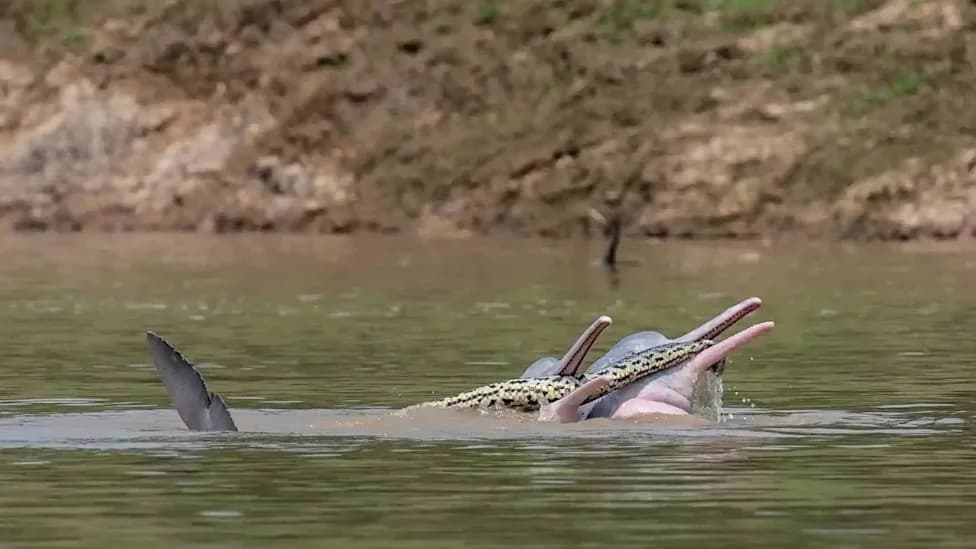
Scientists describe this interaction as reminiscent of rare human-dolphin cooperative hunting documented elsewhere in the world — most famously in Laguna, Brazil, where dolphins herd mullet to shore and cue fishers when to cast heavy nets. But researchers caution that intention is difficult to prove: are Crystal River’s dolphins actively cooperating with Dymond, or are they simply exploiting the boat lights and disturbed fish?
"It's really clear the dolphins are getting a benefit from Justin's boat lights," says Stefanie Gazda, founder of the Cedar Key Dolphin Research Project. "But they may simply be exploiting that opportunity rather than treating Justin as a hunting buddy."
Gazda and other scientists, including National Geographic Explorer Mauricio Cantor, are studying this group to understand who the specialists are, where they spend the day, and how their nighttime hunts affect social ties and ecosystem dynamics. Of roughly 1,200 dolphins Gazda has cataloged locally, only about 30–40 have ever visited Dymond’s boat; only a handful are regulars. Some of these night hunters are rarely seen during daylight.
Global Parallels and Ecological Questions
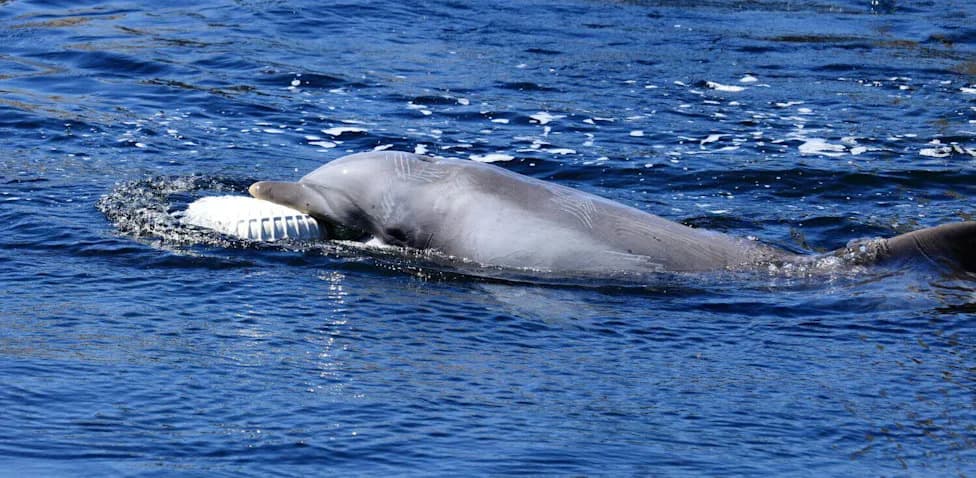
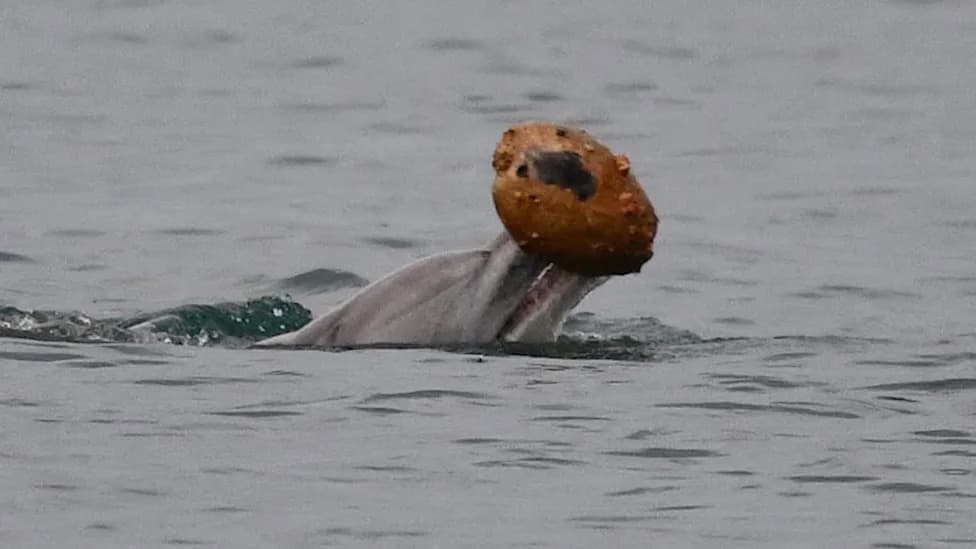
Worldwide, bottlenose dolphins display a remarkable diversity of learned hunting techniques — from sponge use in Shark Bay to mud-ring feeding — often passed socially rather than genetically. In Laguna, Brazil, decades of human-dolphin cooperation appear to benefit both people and dolphins and even influence local food-web stability, according to Cantor and collaborator Fabio Daura.
But cooperation can carry costs: closer contact with boats increases the risk of strikes, noise exposure, and harmful human interactions. Scientists want to know whether the Crystal River relationship will produce similar long-term benefits or hidden risks.
From Guide to Guardian
Perhaps the most striking change is Dymond himself. Once a bowfisher who chased dolphins away, he now sees them as partners and stewards of the river. Because he spends nights on the water, he reports injured or sick wildlife to managers, helps recover stranded animals, and has become a vocal advocate for the river’s health as seagrass declines and algal overgrowth increase.
Gazda and her team continue to study the group with cameras, hydrophones and blow-sampling equipment, searching for answers about learning, social behavior and ecosystem impacts.
Author Note: Bethany Augliere is a freelance writer, photographer and marine biologist based in South Florida who regularly reports on wildlife, conservation and marine science for National Geographic.
Help us improve.