New research indicates that circulating exosomes from people with post-herpetic neuralgia (PHN) carry proteins that suppress nerve regrowth and keep pain-sensing neurons hyperactive. In vitro experiments showed exosomes from seven PHN patients stunted human sensory neuron outgrowth and blocked growth cone formation, while control exosomes did not. Though the study is small and uses laboratory models, ongoing longitudinal sampling aims to identify the specific exosomal cargo that could become a therapeutic target to treat or prevent chronic shingles pain.
Exosomes From Shingles Patients Block Nerve Regrowth and May Reveal New Treatments for Post-Herpetic Neuralgia
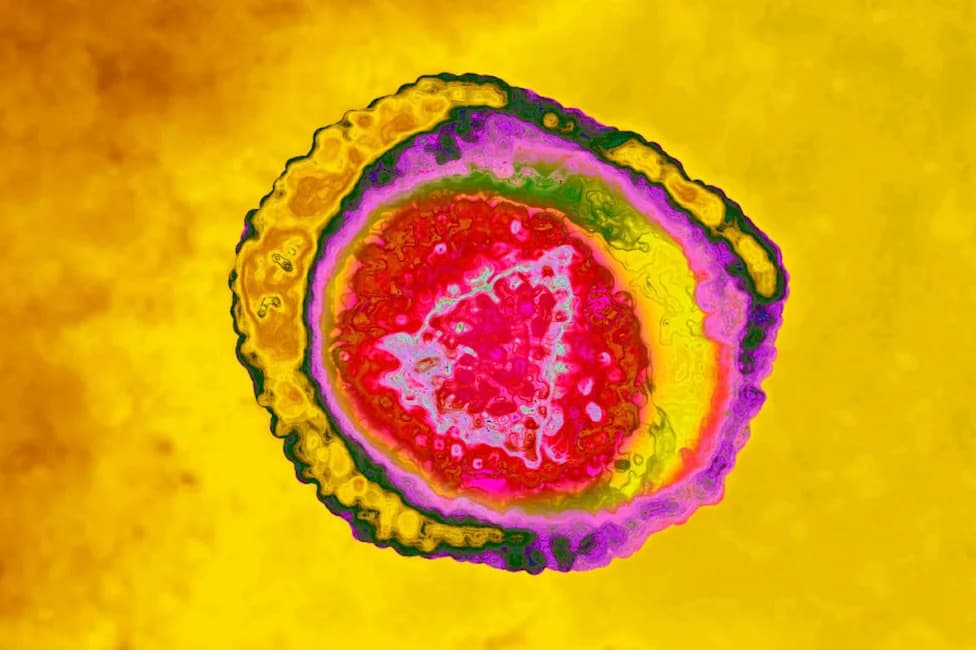
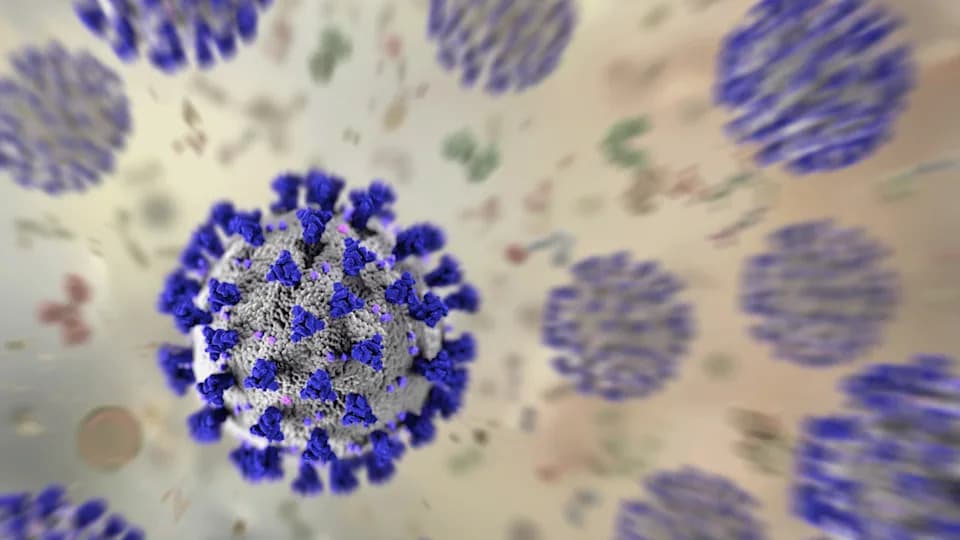
Varicella zoster virus, also known as human herpesvirus 3, causes chickenpox and shingles.BSIP/Universal Images Group via Getty Images
Shingles can cause intense, long-lasting pain for some people. New laboratory research suggests that tiny particles in the blood called exosomes may carry proteins that inhibit nerve repair and keep pain-sensing neurons in an overactive state—offering a potential explanation for why post-herpetic neuralgia (PHN) can persist long after a shingles rash clears.
What is PHN? Post-herpetic neuralgia is defined as pain that continues for more than three months after the shingles rash resolves. It affects roughly 10%–18% of shingles patients and becomes more likely with age. Current treatments focus on symptom relief, and fewer than half of patients achieve meaningful pain reduction.
How the Virus and Exosomes Fit Together
The varicella zoster virus (VZV)—which causes chickenpox—infects over 90% of people worldwide and then lies dormant in pain-sensing neurons. Decades later it reactivates in about a third of people, causing shingles. Although antiviral drugs can reduce viral replication, they do not reliably prevent PHN, so researchers have been investigating noninfectious contributors to lingering pain.
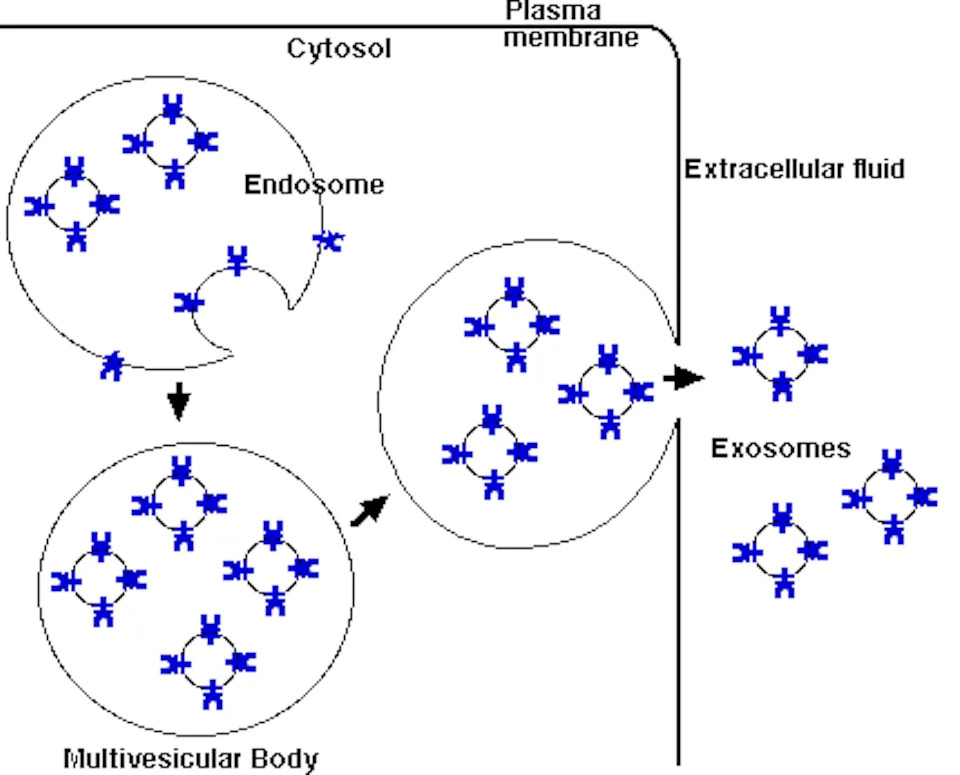
Exosomes are key to cell function.John W. Kimball/LibreTexts,CC BY-SA
Key Findings From the New Study
In research published in Annals of Neurology, the authors analyzed exosomes isolated from the blood of seven patients with established PHN and compared them with exosomes from seven matched controls without PHN. The main results were:
- Exosomes from PHN patients contained higher levels of proteins known to suppress neuronal growth.
- When applied to human sensory neurons grown in vitro, PHN-derived exosomes caused markedly stunted neurite outgrowth and prevented robust network formation.
- Gene-activity analysis indicated that PHN exosomes altered neuronal programs that block formation of growth cones, the structures needed for axon and dendrite extension and repair.
- Additional evidence suggested these exosomes maintain neurons in a hyperexcitable state, which would increase sensitivity to pain.
Implications
These findings identify a plausible, noninfectious mechanism that could help explain the paradox of reduced cutaneous nerve fibers yet increased pain after shingles. If exosomes circulating in blood impede nerve regeneration and sustain hyperexcitability, they could be a target for treatments that address the root causes of PHN rather than only masking symptoms.
Limitations and Next Steps
Important caveats temper enthusiasm: the study used a small sample (seven PHN versus seven control patients) and an in vitro model. Laboratory findings do not always translate directly to clinical benefit. To address this, the research team is collecting serial blood samples from people with acute shingles—some who go on to develop PHN and others whose pain resolves—to identify the specific exosomal cargo that predicts or drives chronic pain. Additional animal and clinical studies will be needed to validate targets and test potential therapies.

Shingles rashes can be debilitatingly painful.lauraag/iStock via Getty Images Plus
Note: The investigators' earlier work also linked shingles-associated exosomes to increased stroke risk and inflammation, suggesting exosome effects may be broad and clinically important.
Broader Relevance
The authors suggest this exosome-driven mechanism might not be unique to PHN; similar processes could plausibly contribute to other neuropathies characterized by failed nerve regeneration—such as diabetic neuropathy—warranting further cross-disease study.
Takeaway: Early laboratory evidence implicates circulating exosomes in inhibiting nerve regrowth and promoting hyperexcitability in PHN. If confirmed in larger and longitudinal studies, targeting exosome-mediated pathways may open new routes to treat or prevent long-term shingles pain.
Originally reported by Andrew Bubak et al., University of Colorado Anschutz; published in Annals of Neurology. Funding acknowledged from the National Institutes of Health.
Help us improve.