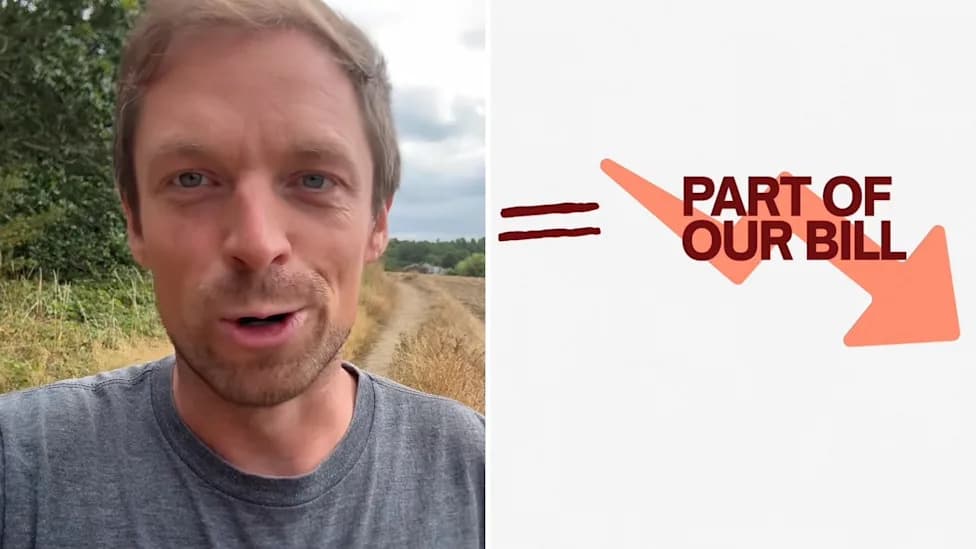
The Maasai Mara is testing solar-charged electric mobility as rangers and lodges swap petrol vehicles for quieter, cleaner e-bikes and EVs. Kenyan firm ROAM and sustainability specialist EERA LAB are proving that e-bikes can cover about 160 km per charge, plug into standard 10-amp sockets, and be supported by modest solar systems. Camps report lower fuel and maintenance costs, and some operators aim for a net-zero Maasai Mara by 2035.
Silent Chargers: How Electric Vehicles Are Transforming Conservation in Kenya’s Maasai Mara
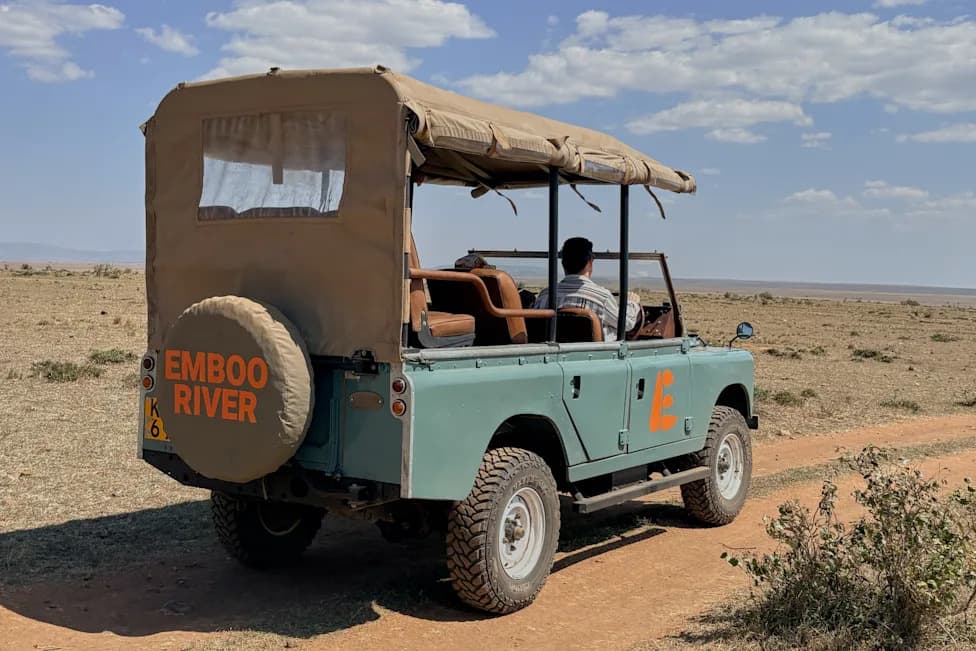
In this photo taken with a smartphone, an electric safari van operated by Emboo Camp drives through the Maasai Mara, Kenya, Saturday, Aug. 29, 2026. (AP Photo/Allan Olingo)(AP Photo/Allan Olingo)
Joshua Kijape eases an electric motorcycle through the tall grass of Kenya's Maasai Mara, listening for movement in the bush. With no rumble of a petrol engine and virtually no exhaust noise, the near-silent e-bike lets him approach animals and follow suspected poachers with less disturbance and greater stealth.
Kijape, a Mara-Siana ranger based at Entumoto Safari Camp, has spent the past year patrolling the reserve on the electric motorcycle as part of a growing effort to bring Africa's energy transition into protected areas. Conservation operators and lodges are testing whether solar-charged vehicles can cut fuel and maintenance costs while reducing noise and environmental impacts in one of the continent's most important ecosystems.

In this photo taken with a smartphone, Loic Amado, founder of Emboo Camp and Era Lab, speaks with The Associated Press during an interview in the Maasai Mara, Kenya, Saturday, Aug. 29, 2026. (AP Photo/Allan Olingo)(AP Photo/Allan Olingo)
"With this bike, I can get closer to the animals without disturbing them," Kijape said. "And when you are following poachers, they cannot hear you coming."
Testing Technology in Tough Terrain
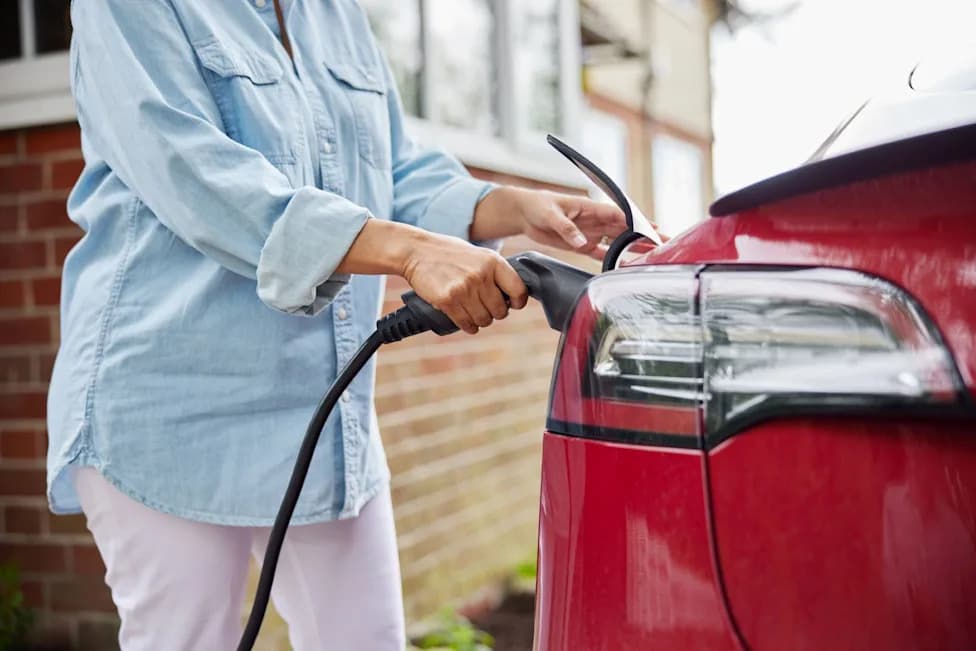
For Nairobi-based ROAM, whose e-bike Kijape rides, the Mara is an engineering proving ground. The Kenyan-made motorcycle can travel about 160 kilometers (100 miles) on a single charge and plugs into a standard 10-amp socket, allowing charging setups to be built around modest solar arrays and battery systems. But longer patrols will require additional charging stations along remote routes.
"Nature is worth protecting, so we think it's important to put our motorcycles and products out there," said ROAM CEO Filip Lovstrom. "By eliminating noise associated with petrol bikes, it creates a serene, quiet environment that is beneficial to both the animals and tourists."
Lovstrom also points to economics: shipping petrol from the port of Mombasa into remote conservation areas is costly and logistically complex, whereas solar charging can be delivered on-site, reducing both environmental impact and operating expense.
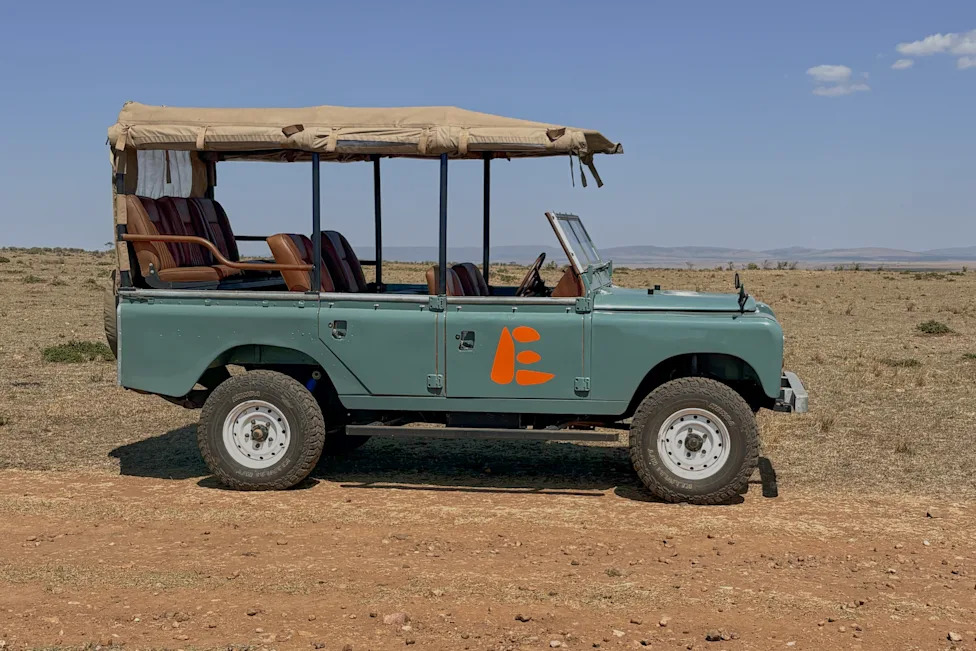
In this photo taken with a smartphone, an electric safari van operated by Emboo Camp is parked in the Maasai Mara, Kenya, Saturday, Aug. 29, 2026. (AP Photo/Allan Olingo)(AP Photo/Allan Olingo)
From One Camp to a Regional Model
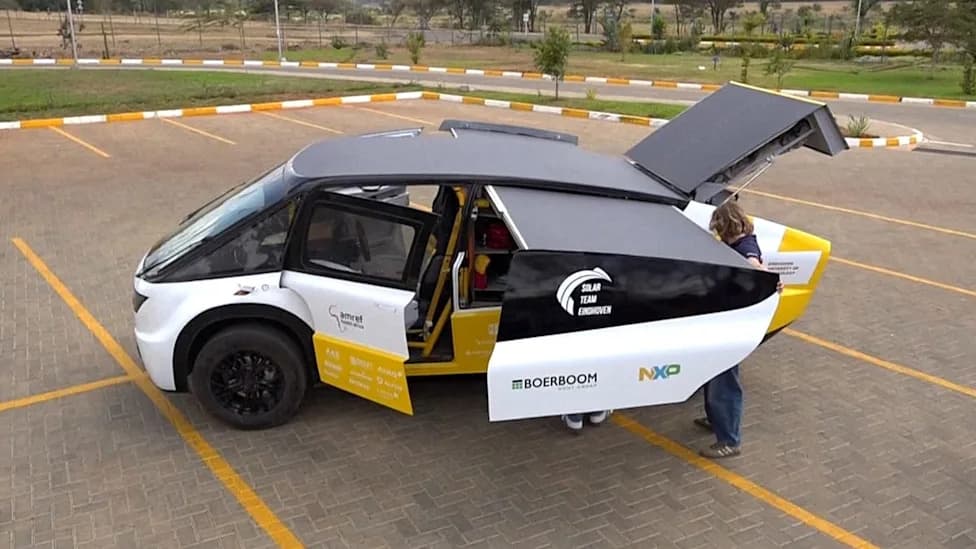
Emboo River Camp has been running electric safari vehicles charged exclusively by solar power since 2019. Co-founder and co-director Loic Amado says the vehicles are quiet, sustainable and economical — a successful proof of concept that inspired his firm, EERA LAB, to expand the model. EERA LAB now supports about 25 lodges across East Africa with solar installations, wastewater treatment and EV conversions, and has built a dashboard that tracks energy generation, consumption and system performance.
"It's an extremely good use case for electric vehicles. They're silent, sustainable, environmentally friendly and most importantly economical," Amado said. "It removes the black box and uncertainty that safari operators have had over the past couple of years."
Converting a conventional safari vehicle to electric costs roughly $35,000–$45,000, Amado said, but fuel and maintenance savings can deliver payback in about two and a half to three years. Emboo has expanded its EV fleet and more than tripled its solar capacity to meet rising demand.
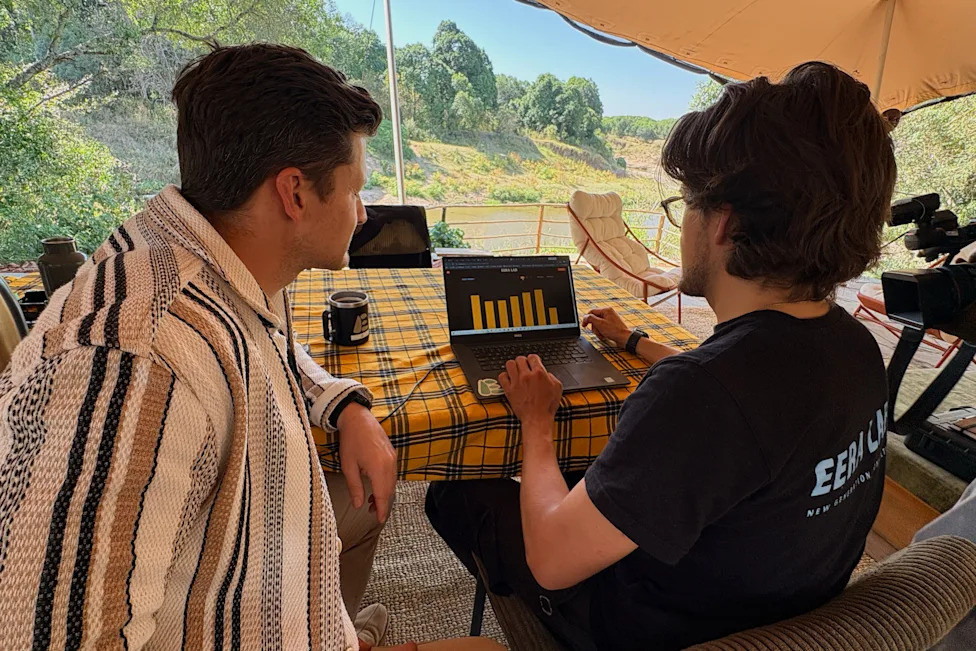
In this photo taken with a smartphone, Loic Amado, founder of Emboo Camp and Era Lab, checks the battery charge of an electric safari van with a colleague at Emboo Camp in the Maasai Mara, Kenya, Saturday, Aug. 29, 2026. (AP Photo/Allan Olingo)(AP Photo/Allan Olingo)
Broader Significance and Ambitions
The shift to electric mobility in the Mara arrives during peak season, when the annual wildebeest migration concentrates animals, tourists and conservation teams on the grasslands. Jason Knauf, CEO of the BBC's Earthshot Prize programme, said the move shows that the energy transition can reach far beyond urban transport.
"Seeing electric vehicles reach the Maasai Mara during the Great Migration is powerful proof that the energy transition extends far beyond cities," Knauf said. "If clean technology can prove reliable, affordable and effective in one of the world's most demanding environments, it strengthens the case for scaling it across other conservation landscapes and remote communities."
Some operators have set ambitious targets: Amado aims to help make the Maasai Mara net-zero by 2035 through expanded solar, electric transport and other sustainability measures. While Kenya currently has only a small number of electric safari vehicles concentrated in the Mara and a few other conservation areas, interest from larger operators suggests the approach may spread.
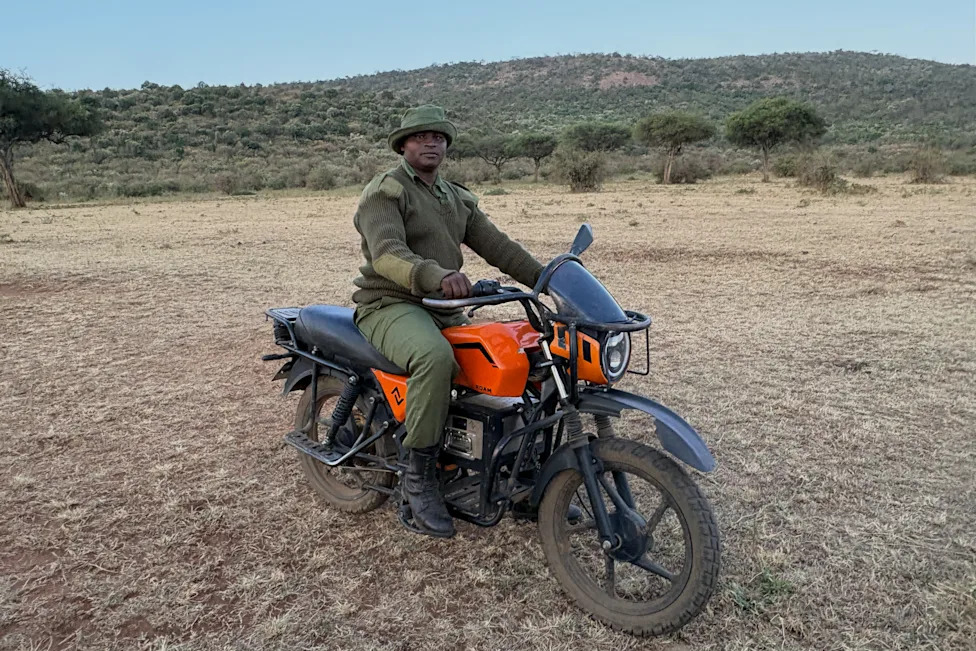
In this photo taken with a smartphone, Mara Siena ranger Joshua Kijape stands beside his electric motorcycle, which he uses while patrolling the Maasai Mara, Kenya, Saturday, Aug. 29, 2026. (AP Photo/Allan Olingo)(AP Photo/Allan Olingo)
Challenges remain: charging infrastructure must be deployed along long patrol routes, vehicles must prove durable on rough tracks, and upfront conversion costs can be substantial. But proponents say the combination of quieter wildlife encounters, lower operating costs and abundant sun makes electric mobility an attractive option for conservation areas and nearby communities that rely on motorcycles for transport.
Reporting note: The Associated Press' climate and environmental coverage receives financial support from private foundations. AP retains sole editorial responsibility for its content. For more information, see AP.org.
Help us improve.