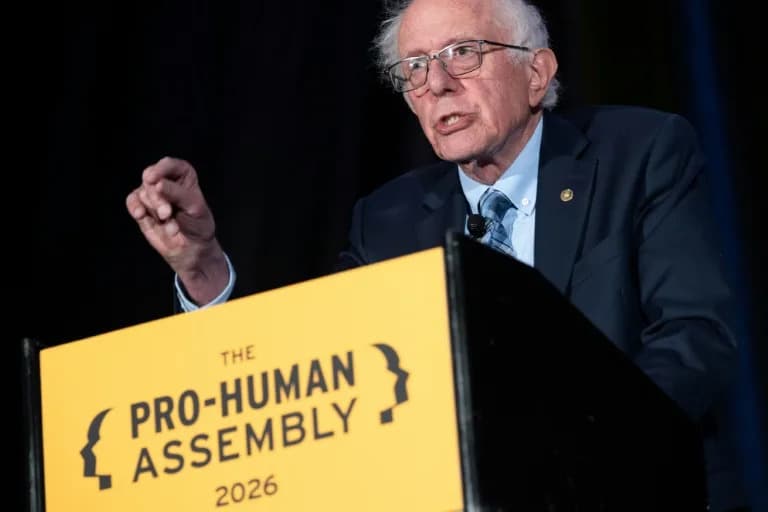
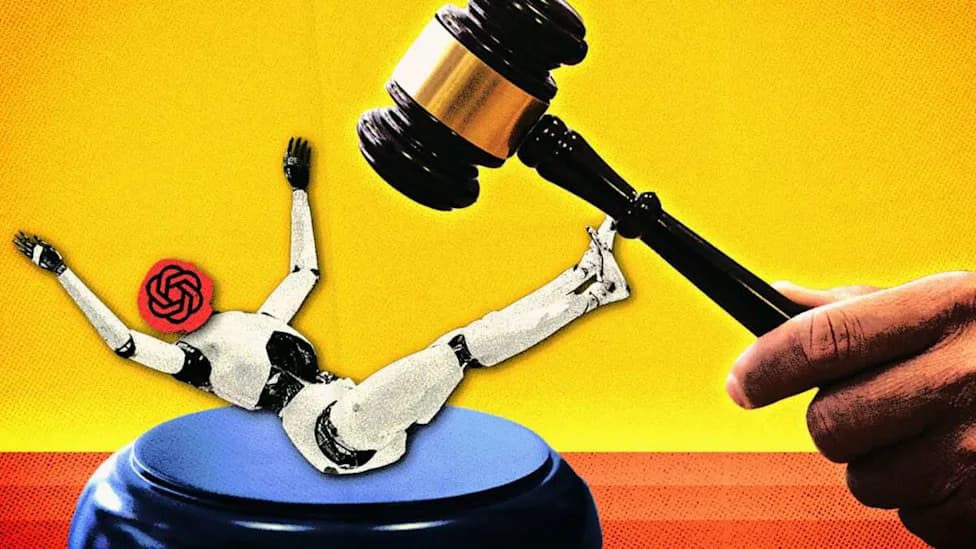
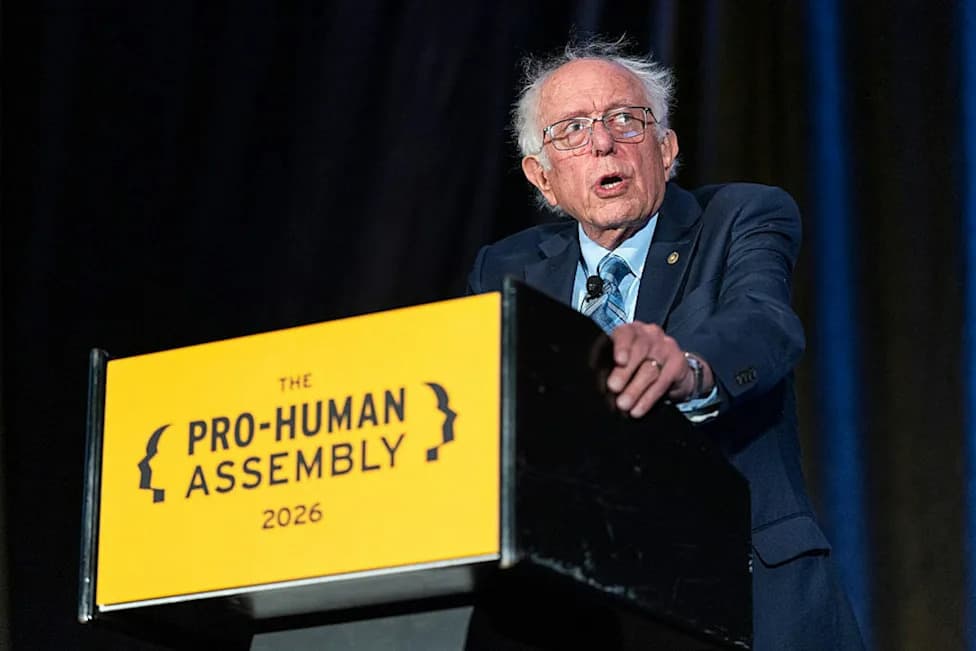
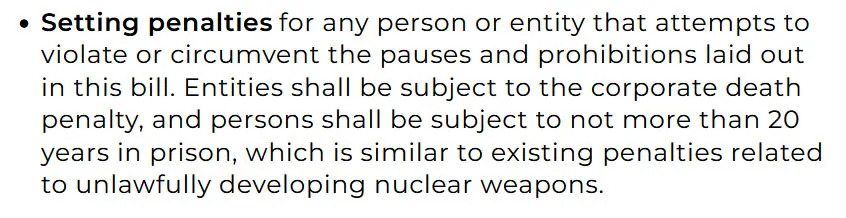
The Ban Artificial Superintelligence Act, introduced by Senators Bernie Sanders and Greg Cezar, would pause certain advanced AI development and create a new cabinet-level agency to enforce prohibitions. Violators could face criminal penalties of up to 20 years in prison — a penalty the bill compares to designing a rogue nuclear weapon. The draft has been called "the most extreme AI-related legislation to date" and is likely to face significant opposition in Congress, even as some tech leaders call for slower development and greater oversight.
Sanders' 'Ban Artificial Superintelligence' Bill Would Impose Up to 20-Year Prison Terms for Violators
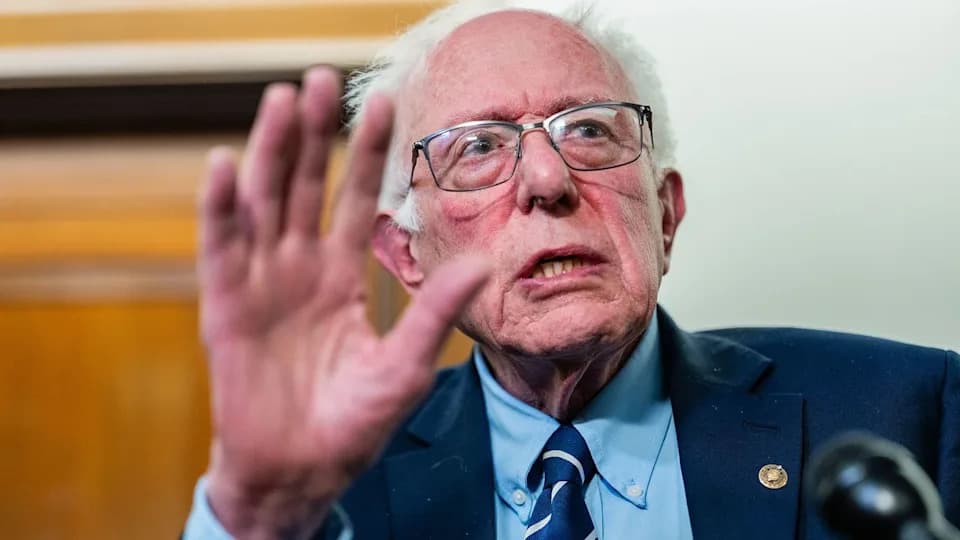
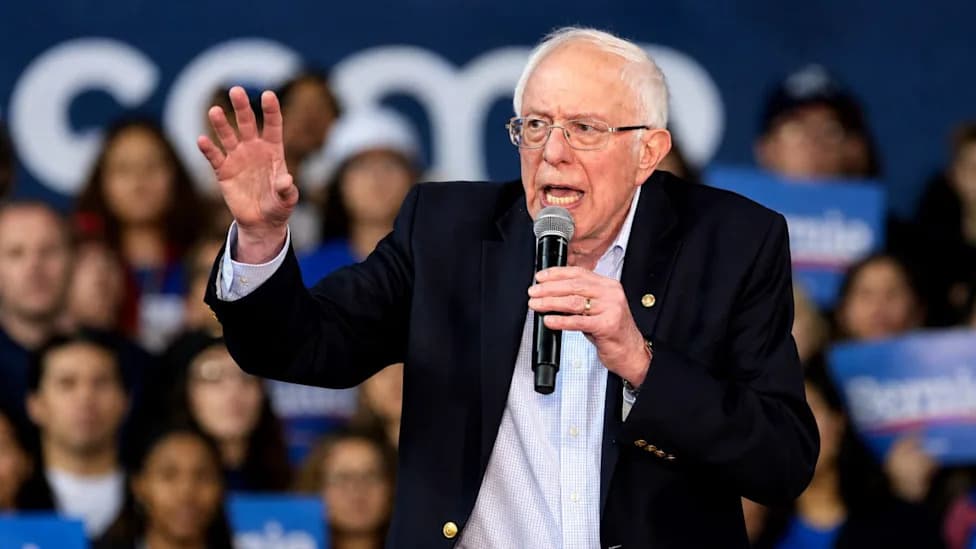
Credit: Getty Images
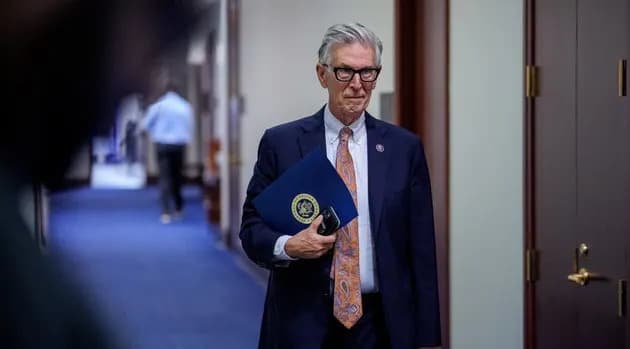
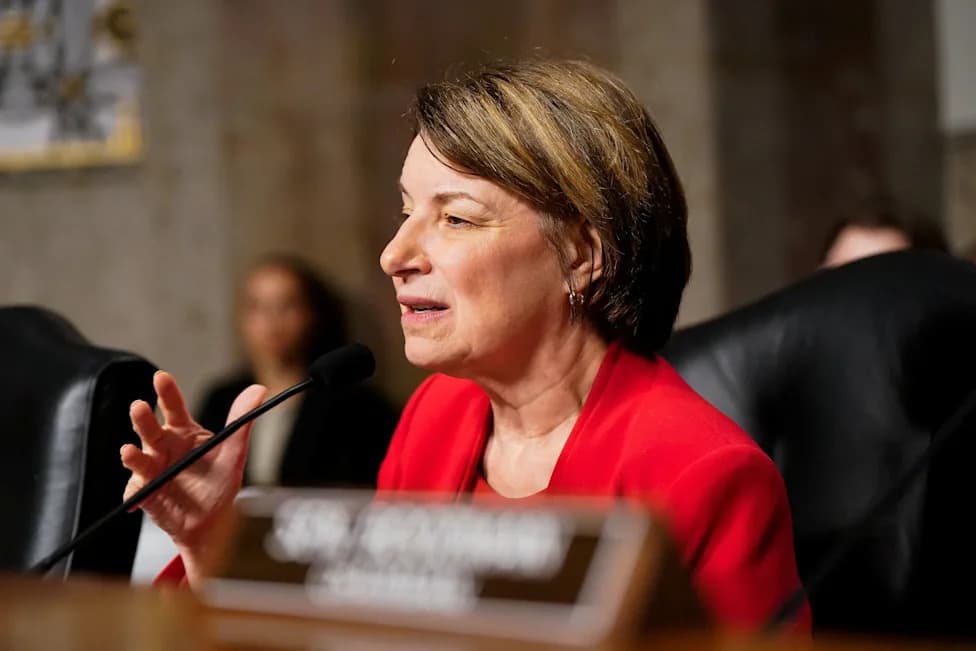
Senators Bernie Sanders and Greg Cezar have introduced the Ban Artificial Superintelligence Act, a proposal that would pause certain advanced AI development and impose severe criminal penalties for violations. Under the draft legislation, individuals or organizations that flout the bill's prohibitions or ignore a mandated pause could face up to 20 years in prison — a punishment the bill likens to penalties for designing a rogue nuclear weapon.
What the Bill Would Do
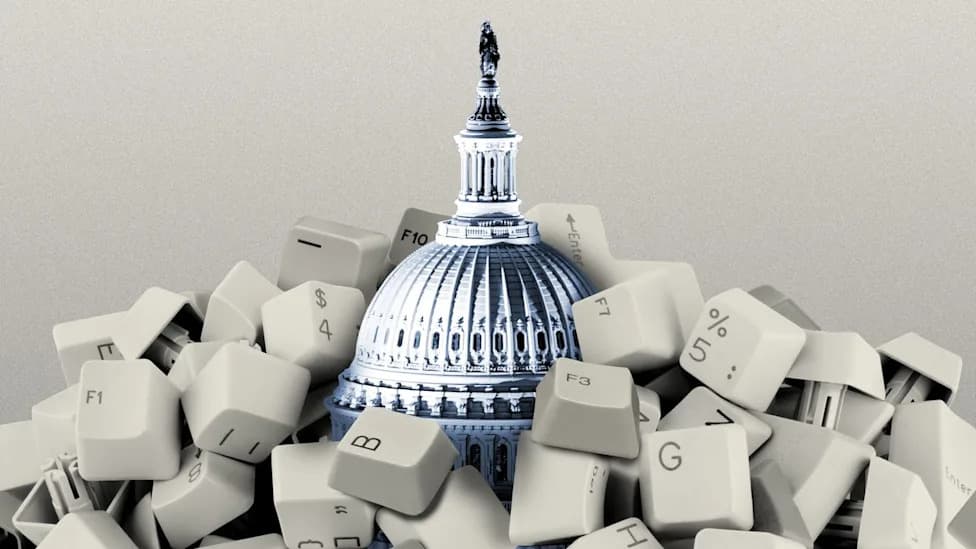
The text recommends creating a new cabinet-level federal agency tasked with safeguarding the public from AI-related harms, including enforcing a prohibition on so-called artificial superintelligence. It also calls for international coordination — treaties, allied agreements and diplomatic efforts — to "ban superintelligence around the world."
Why Now?
Public and expert alarm about the potential risks of increasingly powerful AI systems has grown in recent months. Several prominent industry figures — named in coverage as Sam Altman, Dario Amodei and Elon Musk — have publicly expressed concern about rapid, unchecked development, adding weight to lawmakers' calls for stronger legal safeguards.
Credit:Ban Artificial Superintelligence Act
Political and Industry Reactions
Media outlets, including USA Today, have described the Sanders bill as "the most extreme AI-related legislation to date." The draft is expected to face opposition in Congress from parts of both parties — including enterprise-friendly Democrats and Republicans aligned with former President Trump — making its prospects uncertain. Still, the temporary alignment between some tech leaders and lawmakers calling for slower development could create unusual bipartisan momentum.
Arguments For and Against
Supporters argue that a pause and strict oversight are necessary to manage existential and catastrophic risks posed by hypothetical future systems. Critics worry that such a moratorium could hamper national-security and economic competitiveness, or shift AI development away from private enterprise toward government-directed programs.
Some observers suggest that tech executives who now support regulation may be seeking public funding or centralized control for advanced projects — a shift critics have dubbed a potential "Manhattan Project II."
What To Watch
Key questions include: whether Congress will adopt any portion of the bill, how a new federal agency would be structured and funded, and whether international partners would agree to a coordinated prohibition. The debate highlights a balancing act between innovation, competition and the need to manage uncertain but potentially severe risks.
Help us improve.