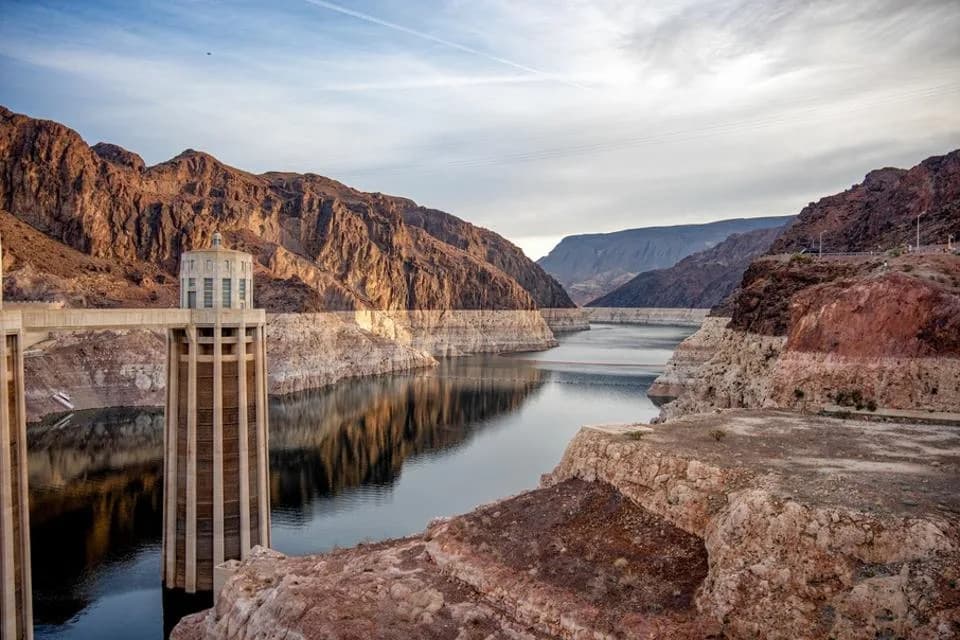
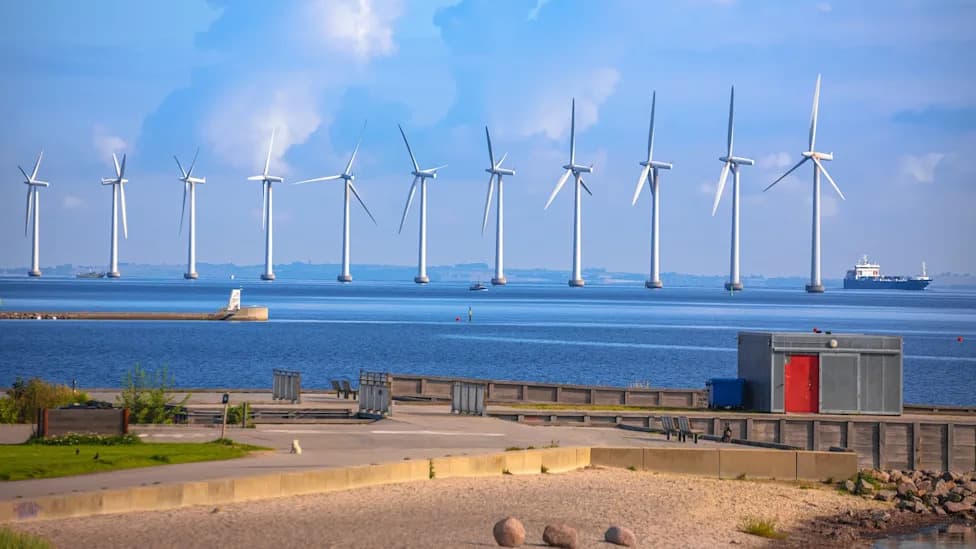
Laos exports a very large share of its electricity to neighbouring countries while many domestic consumers face frequent blackouts. Exports rose from about 12 TWh to 38 TWh over a decade, earning roughly $2.65 billion in 2023, yet aging 1970s-era distribution networks and "dedicated" transmission lines leave local grids stressed. Hospitals and clinics report equipment failures during cuts, and heavy reliance on hydropower makes supply vulnerable in the March–August dry season.
Laos: The 'Battery of Southeast Asia' — Powering Neighbours While Its Own People Endure Blackouts
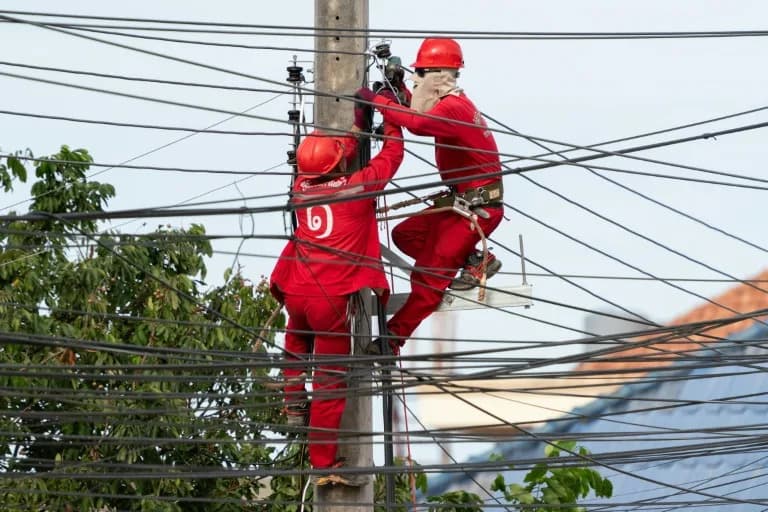
Laos suffers frequent power cuts, affecting hospitals, health clinics and villages (-)
Laos has positioned itself as the "Battery of Southeast Asia," exporting power from dozens of hydroelectric dams and new wind projects. Yet despite rising export revenues, frequent domestic outages leave many Lao families, clinics and hospitals struggling without reliable electricity.
Exports Surge as Domestic Grid Ages
Official data show annual electricity exports rising from around 12 terawatt-hours (TWh) to 38 TWh in the decade to 2024, generating about $2.65 billion in 2023. The World Bank reported that roughly two-thirds of generated electricity was exported in 2023, while some former technical staff at state utility Electricite du Laos (EDL) estimate that share may now approach 80 percent.
What Leaves Locals in the Dark
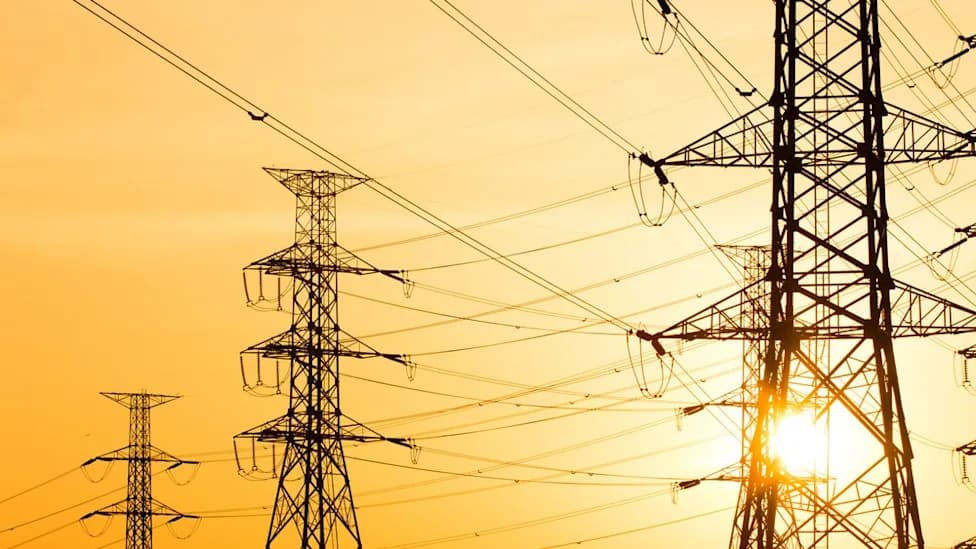
Much of the transmission infrastructure that carries power from projects is "dedicated" to foreign buyers and not integrated into the domestic grid, energy analysts say. Combined with distribution networks dating back to the 1970s, this leaves local systems vulnerable: overloaded transformers in growing apartment blocks, long outages when a tree falls on a rural line, and limited redundancy when faults occur.
"Over the past three to six months, we've often faced electricity problems, especially at the children's centre," a pediatric doctor at a major public hospital said on condition of anonymity. "A ventilator came to a halt, but we do have a generator at the hospital."
Clinics report outages two to three times a week, often announced in advance, and smaller facilities without generators sometimes rely on neighbours or shops for temporary power. In rural areas residents also fear wild animals entering homes during night-time blackouts.
Seasonal Risks, Financial Strain
Hydropower accounted for roughly 80 percent of Laos's generation as of 2024, making supplies vulnerable during the dry season from March through August. At times the country has even had to import electricity to meet local demand and honour export contracts, an expensive outcome highlighted by the World Bank. At the same time, EDL is burdened with heavy debt and subsidy costs incurred during rapid infrastructure expansion.
Regional Sales And Strategic Choices
Thailand remains Laos's largest electricity customer, but Vietnam has ramped up purchases, including energy from the Monsoon Wind project — the region's largest wind farm — under contracts that route power directly to Vietnamese consumers. Observers note the commercial and geopolitical dimensions of these deals, as neighbouring states seek secure supplies and influence.
Outlook
Laos has expanded access dramatically — from about 15 percent electrification in 1995 to near-universal access today — and export sales have become a major revenue source. Still, the mismatch between export-oriented projects and a dated domestic distribution network poses social and operational risks. Addressing those risks will require upgrading the grid, rethinking contract structures that isolate domestic supply, and targeted investment to ensure households and critical facilities share in the country’s power gains.
Help us improve.