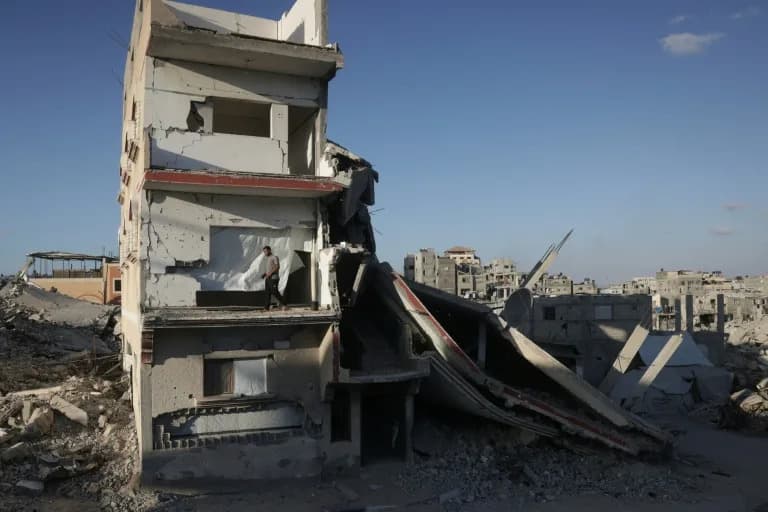
In Gaza City, families queue for minutes of electricity as soot-covered mobile generators move between homes to power pumps that fill rooftop water tanks. Rental rates have risen to as much as 100–120 shekels an hour (diesel extra), and operators often work 10–12 hour days amid scarce fuel and spare parts. Commercial laundries have become essential for displaced households, charging 6 shekels on solar or 12 shekels when run by generator. A UN assessment found 91% of surveyed households faced moderate-to-high water shortages, and roughly 60% of housing units were severely damaged or uninhabitable.
Racing the Clock: Gaza Residents Rent Generators by the Hour to Pump Water
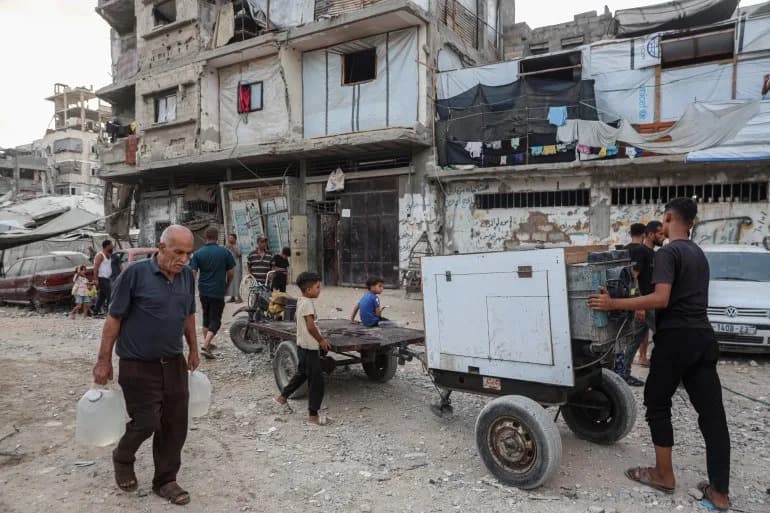
A generator passes through a northern Gaza neighbourhood [Abdelhakim Abu Riash/Al Jazeera]
Gaza City — In neighbourhoods where municipal power and water remain out of service, families now queue in the street to buy minutes of electricity. A single, soot-streaked generator moves from door to door, each household paying to run a pump for just long enough to fill a rooftop tank.
Short Bursts of Power, Long Lines of Need
Hajj Rabhi al-Fairi, 79, stands with his children and neighbours in the Nassr district for hours waiting their turn. The generator's owner pours in fuel, starts a timer and powers the machine; each flat typically gets seven to eight minutes to run its water pump before the device moves on.
"We have an old water pump, but there is no electricity to run it. We have to rent a generator," al-Fairi told Al Jazeera.
Because many flats share a single pump, buildings commonly hire a generator for around an hour at a time. What was once a routine, household chore has become a transaction — and an expensive one at that.
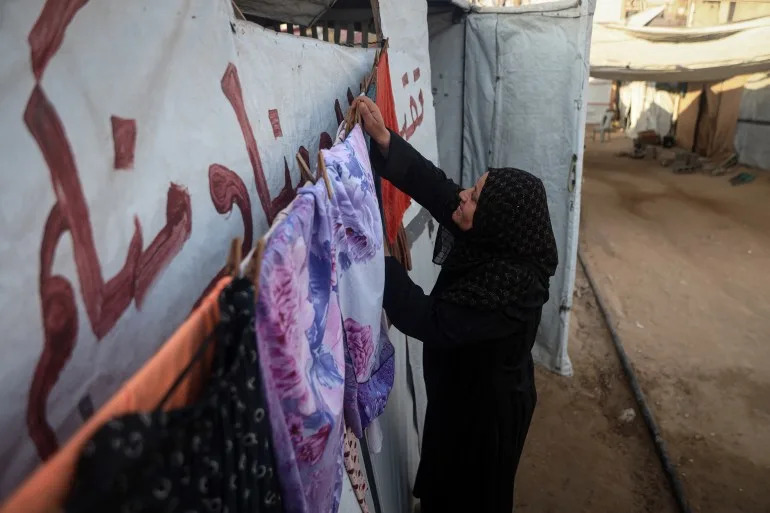
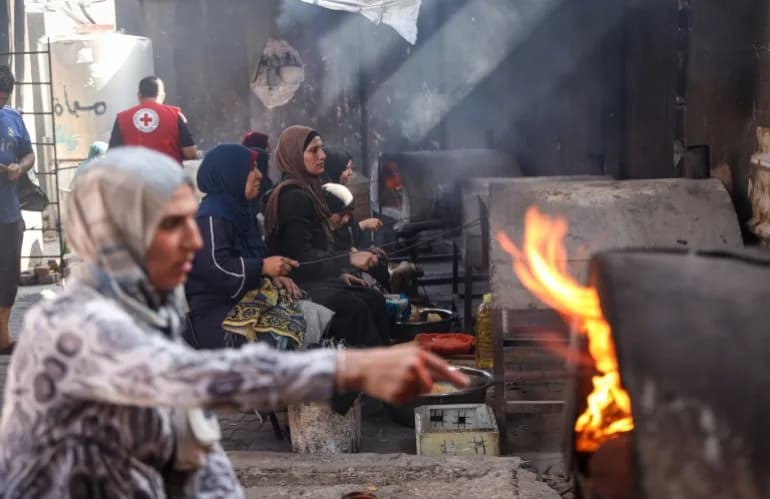
Abeer Ghorab, 52, a displaced Palestinian woman, takes her clothes to a commercial laundry, paying to wash and dry them as water and electricity remain scarce [Abdelhakim Abu Riash/Al Jazeera]
Rising Costs, Scarce Parts and Long Days
Rental costs have climbed. Families once paid about 80–90 shekels (roughly $26–$30) an hour; fees have surged at times to 100–120 shekels ($33–$40) an hour, not including diesel. Operators such as Khalil Abu Ouda drive a generator mounted on a horse-drawn cart from home to home, its metal body blackened by soot, white smoke rising when it runs.
Abu Ouda says few small mobile generators remain in working order across Gaza. Many have broken down and spare parts are hard to obtain or unaffordable amid the ongoing blockade and restrictions. Mechanics, fuel and engine oil are increasingly scarce and costly.
"People are under pressure and they need water. If I stayed working until morning, I would keep going," Abu Ouda said. To meet demand he often works 10–12 hours a day, straining both himself and the machine. "But this is our livelihood. There is no alternative."
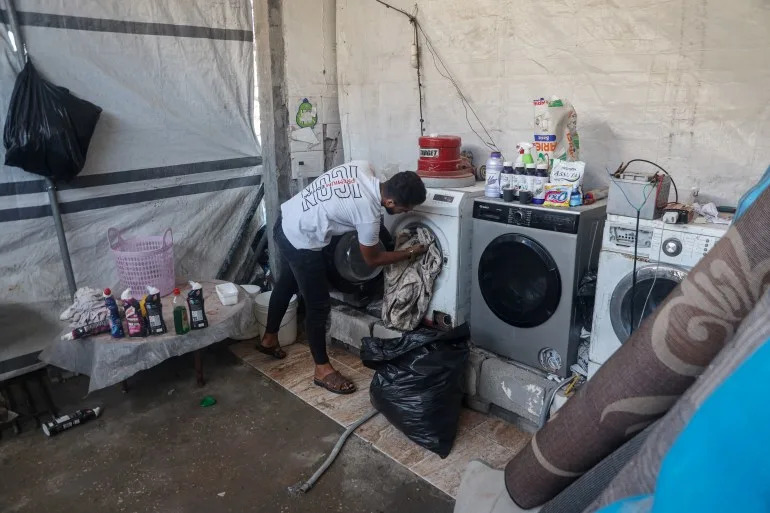
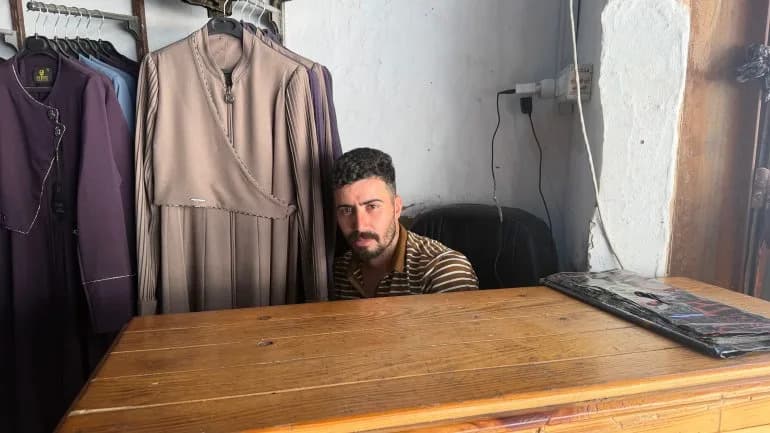
Residents now rely on communal washing machines for cleaning clothes [Abdelhakim Abu Riash/Al Jazeera]
Everyday Tasks Turned into Paid Services
Displaced families and those returning to damaged homes are increasingly forced to pay for basic services. Laundries have reopened to meet demand: items that once could be washed and dried at home are now brought to commercial shops that can handle heavy blankets and bedding more quickly.
Abeer Ghorab, 52, who used to wash everything herself, now pays for laundry services when she can. "Things we once took for granted have become dreams," she said. A load costs about six shekels ($2) when a laundry can run on solar power and about 12 shekels ($4) when it must rely on a generator — fees many families can only afford occasionally.
Widespread Damage and Severe Shortages
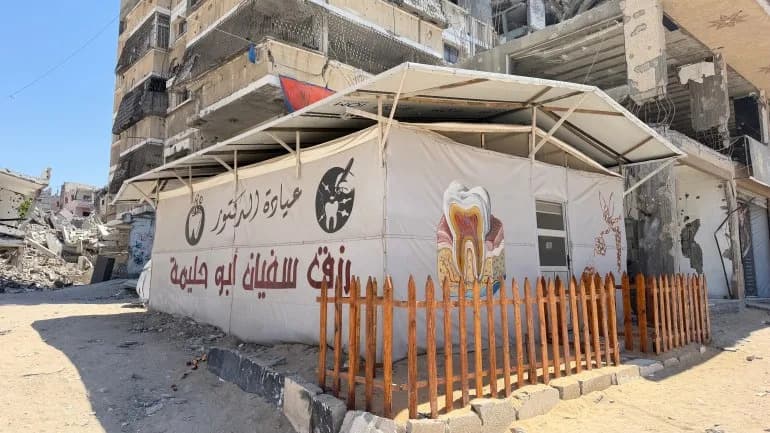
The disruption is systemic: a United Nations assessment found 91 percent of surveyed households experienced moderate-to-high water shortages. A separate damage inspection reported that about 107,941 of 178,632 housing units (roughly 60 percent) were severely damaged, destroyed, or uninhabitable. Water systems, electricity networks, sanitation and household appliances remain severely impaired across the territory.
For many Gaza residents, everyday tasks now require cash payment, long waits and improvised solutions — a stark reminder of how infrastructure breakdown transforms private life into public struggle.
Help us improve.