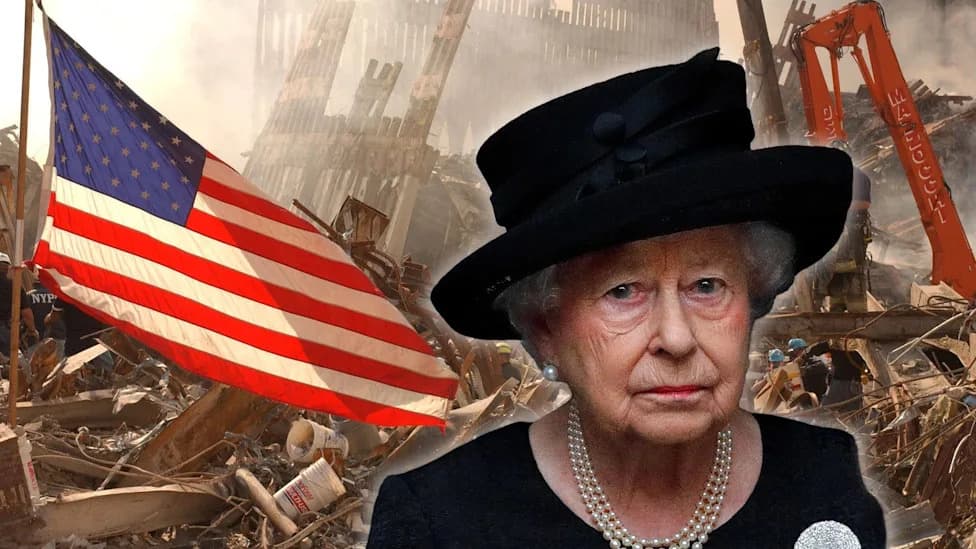
Two days after the 9/11 attacks, Queen Elizabeth II broke with royal custom when the US national anthem was played during the Changing of the Guard at Buckingham Palace, a gesture witnessed by more than 3,000 people. The Queen is reported to have joined in singing the anthem at a St. Paul's Cathedral service on Sept. 14, 2001, and soon after offered the oft-quoted line, "Grief is the price we pay for love." Her actions were widely interpreted as a powerful symbol of solidarity with the United States.
How Queen Elizabeth II Broke Royal Protocol to Honor the US After 9/11
Queen Elizabeth 9/11
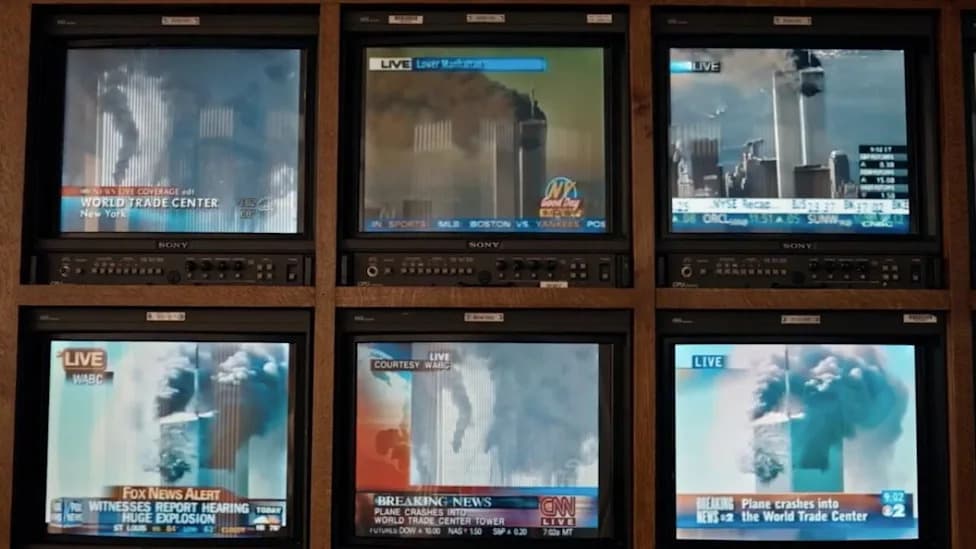
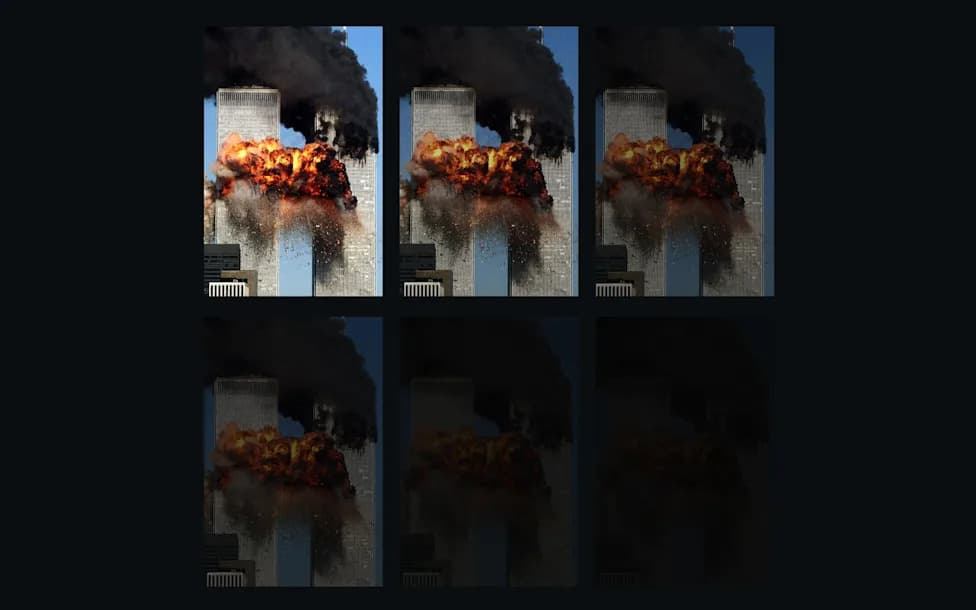
Twenty-five years after the September 11, 2001 terrorist attacks, the images and stories from that day remain painfully vivid: the second plane striking the South Tower, the collapse of the Twin Towers, people covered in dust and ash, and the deaths of nearly 3,000 people. The devastation was not confined to New York—American Airlines Flight 77 hit the Pentagon, and United Airlines Flight 93 crashed in Pennsylvania after passengers fought the hijackers.
In the days that followed, acts of courage, solidarity and compassion emerged alongside grief. Among the global responses was a notable gesture from the British monarchy. The late Queen Elizabeth II said she felt "growing disbelief and total shock" at the scale of the attacks.
Two days after 9/11, in a rare break with long-standing practice, the US national anthem, "The Star-Spangled Banner," was played during the Changing of the Guard at Buckingham Palace. Contemporary reports said more than 3,000 people—among them hundreds of Americans—had gathered outside the palace. As the Coldstream Guards' band played, many in the crowd sang along and some were visibly moved to tears.
On Sept. 14, 2001, the Queen is reported to have joined in singing the US national anthem at a service held in St. Paul's Cathedral honoring the victims. Richard Kay wrote at the time in the Daily Mail: "The Queen does not 'sing' national anthems. Her mouth never opens when they are played. It was the ultimate sign of unity, friendship, and support for America." Contemporary observers treated the moment as a powerful symbol of solidarity.
"You come together today in St Thomas Church in New York united in sorrow by the terrible events of last week... None of us should doubt the resilience and determination of this great and much loved city and its people."
Less than two weeks after the attacks, the Queen's message to New York—later widely quoted for the line, "Grief is the price we pay for love"—was read at a memorial service. She acknowledged the international and multicultural character of New York and expressed sympathy for British victims who had been living, working or merely passing through the city.
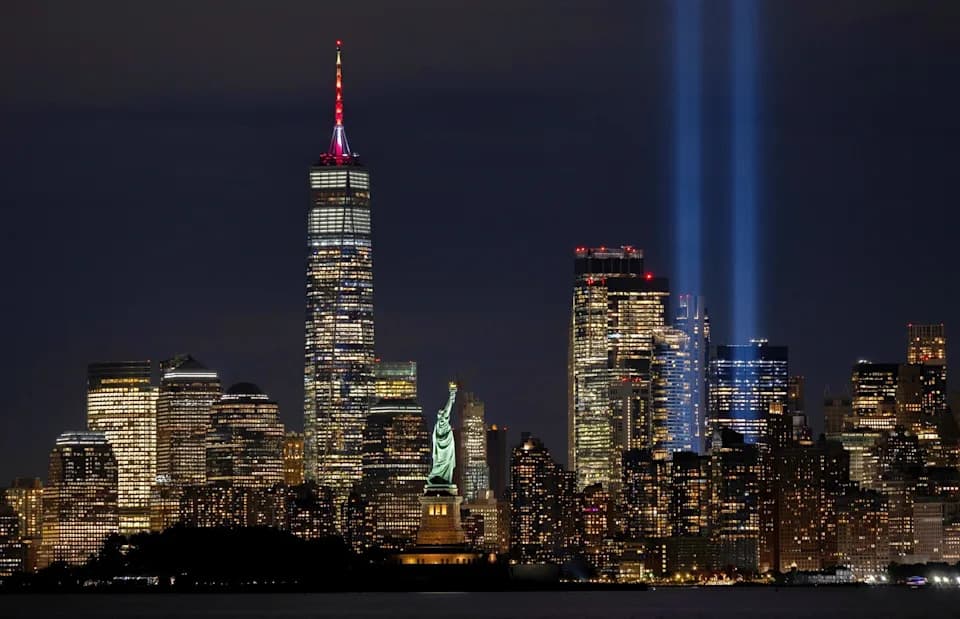
Two and a half decades on, the Queen's public gestures remain a memorable example of international empathy and support at a moment of global shock. Her decision to bend tradition to honour the United States is still recalled as a strong symbol of unity.
May we never forget.
Help us improve.