Overview: Twenty-five years after September 11, public knowledge of the attacks is fading, especially among those born after 2001. England has no national requirement to teach 9/11, and political sensitivity, curriculum limits and social media have left many young people reliant on incomplete or conspiratorial accounts. Experts and charities urge clearer education, better resources for teachers, and more accessible, factual public content to counter misinformation.
How 9/11 Is Being Forgotten: The Generational Fade Of A Defining Day
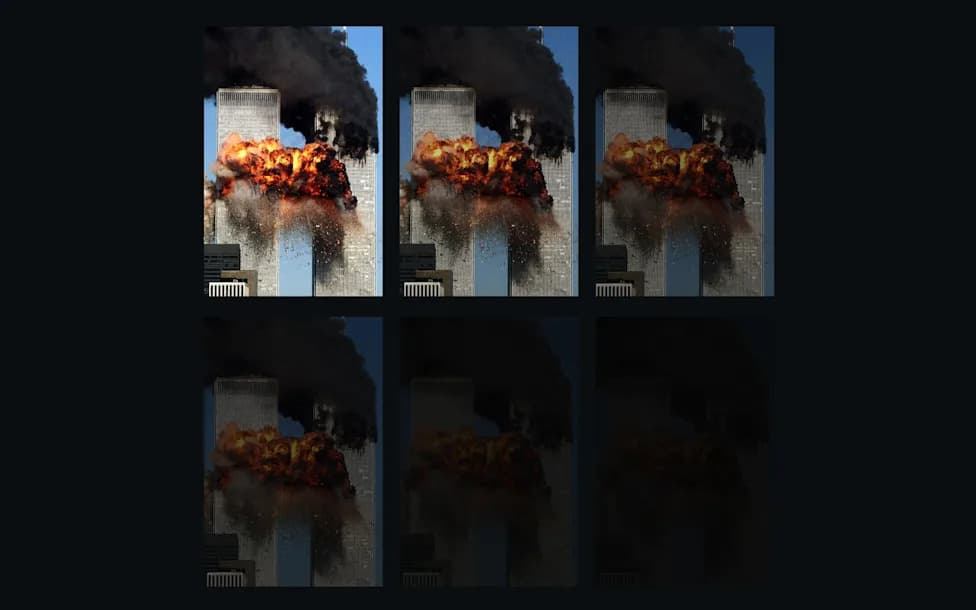
9/11
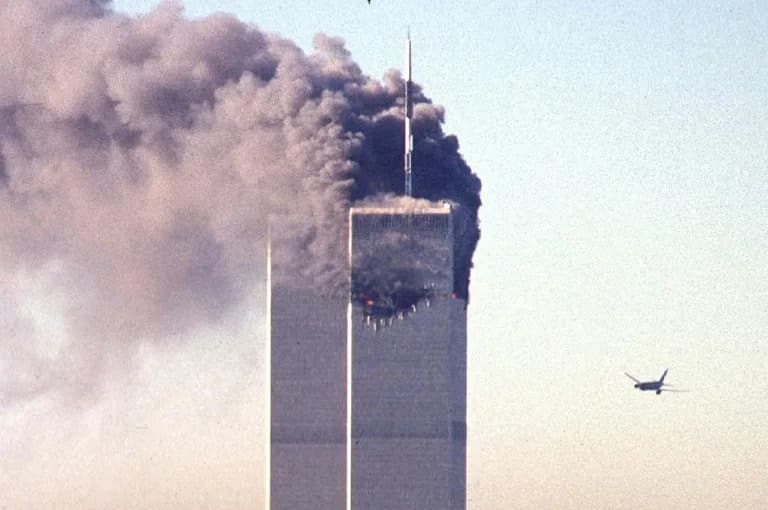
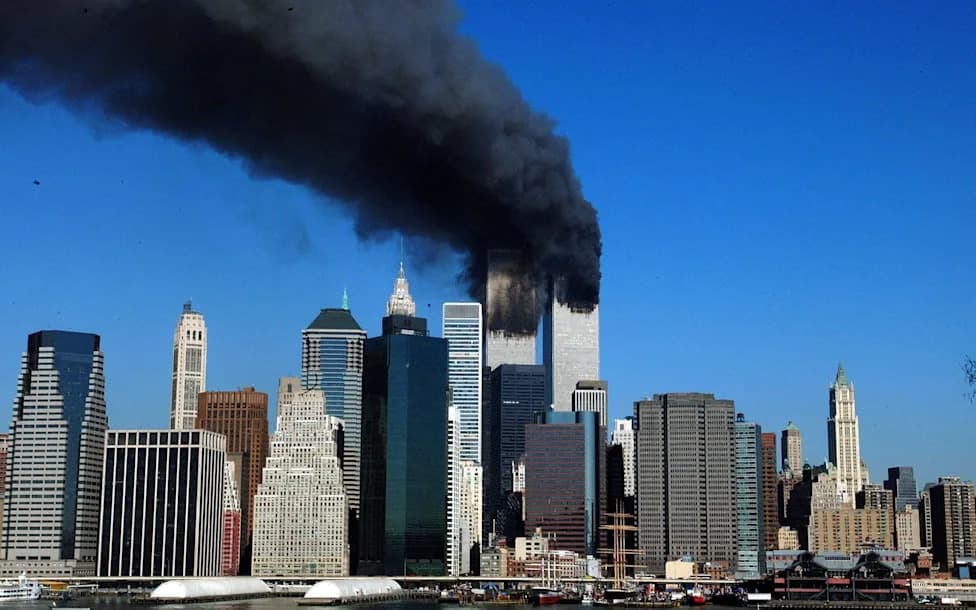
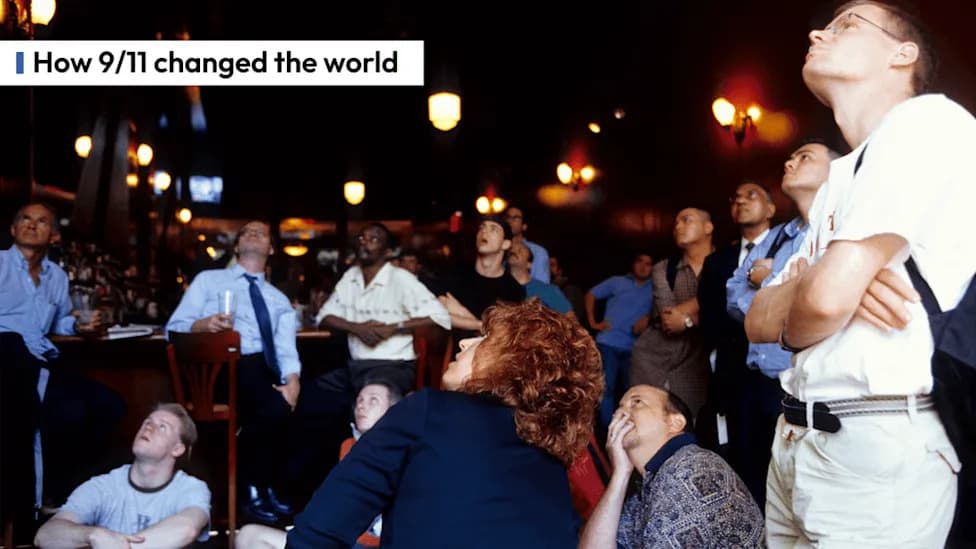
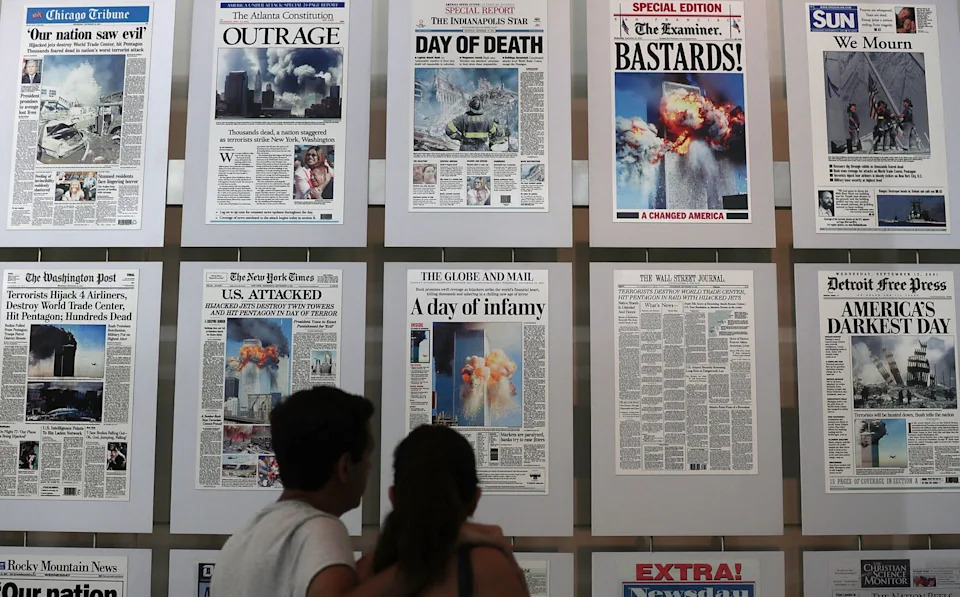
It remains one of the most shocking events of the early 21st century: passenger planes used as weapons, the Twin Towers collapsing, and a stunned global audience watching in real time. Yet, 25 years on, public understanding of September 11, 2001, is dimming for a generation that was born after the attacks or was too young to remember them. The physical images are still viral on social platforms, but the fuller context — who carried out the attacks, why, and what followed — is increasingly fragmented or replaced by conspiracy.
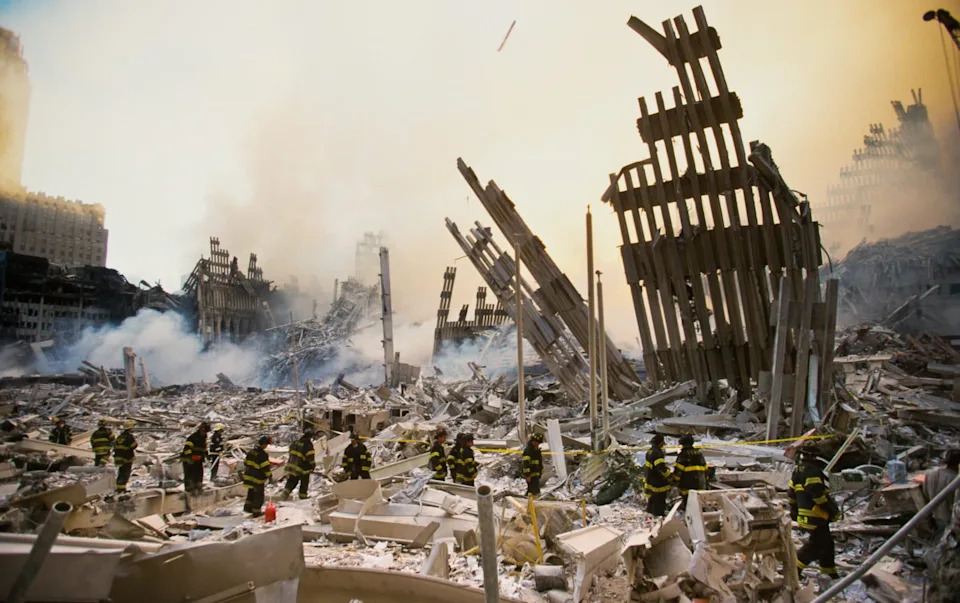
The generational erasure of 9/11 is occurring on both sides of the Atlantic - Porter Gifford/Getty Images
Why Memory Is Fading
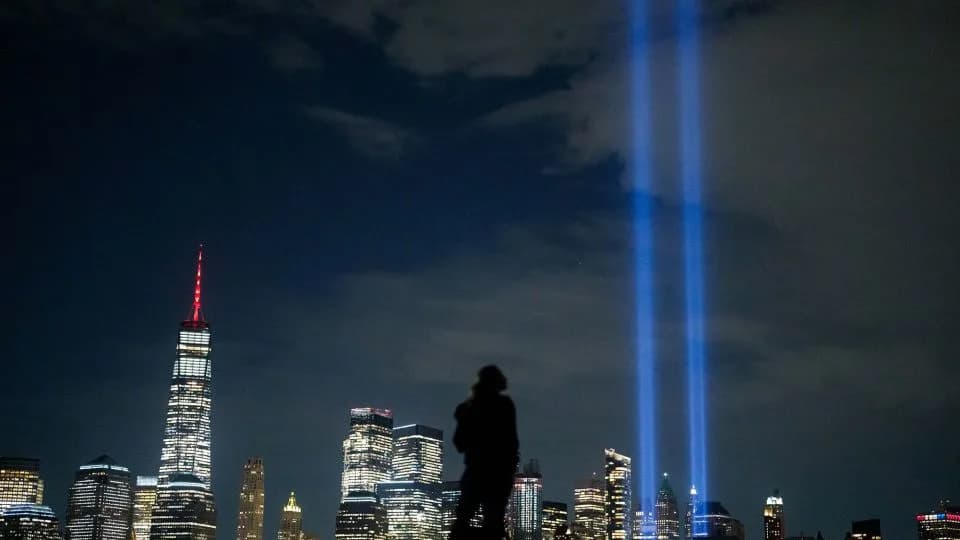
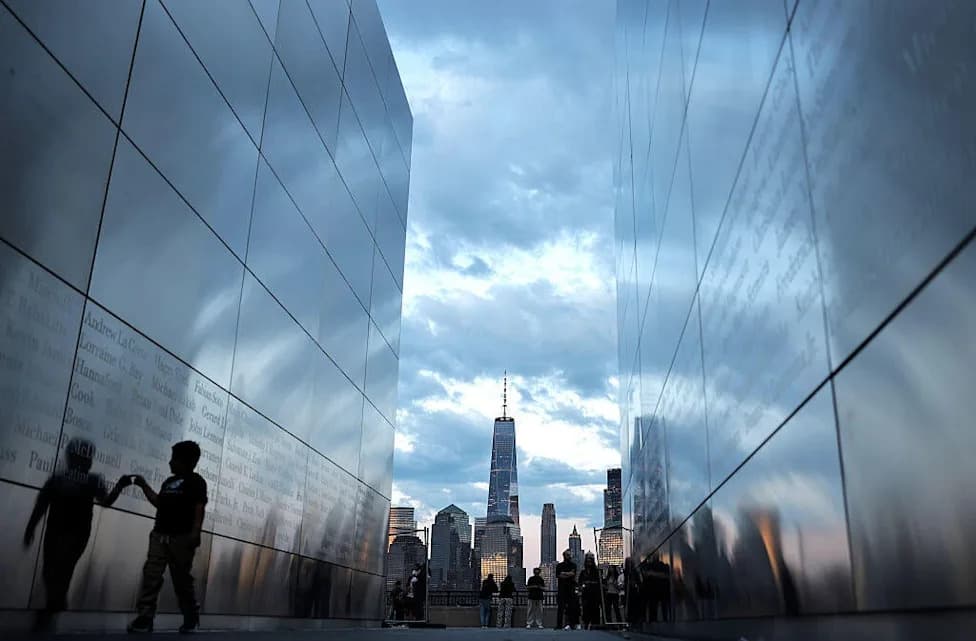
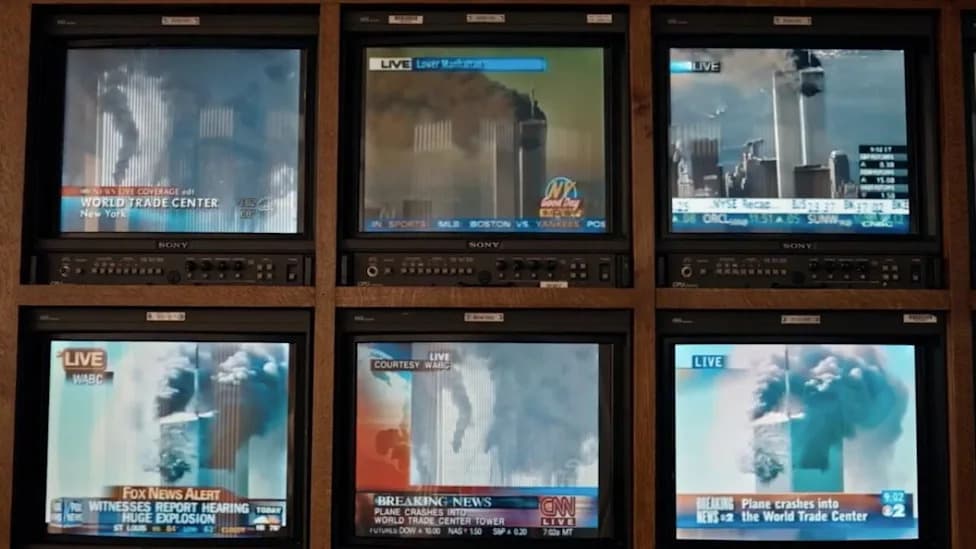
Half the world’s population is now under 30. For many young people the attacks exist as dramatic clips on TikTok or Instagram rather than structured lessons in history or civics. Public rituals and memorials continue, but wider cultural and educational attention has moved on. Events intended to combat that drift — for example, a recent screening in Bournemouth of three-and-a-half hours of contemporaneous news footage from 11 September 2001 — met local controversy, illustrating how fraught public engagement with the topic has become.
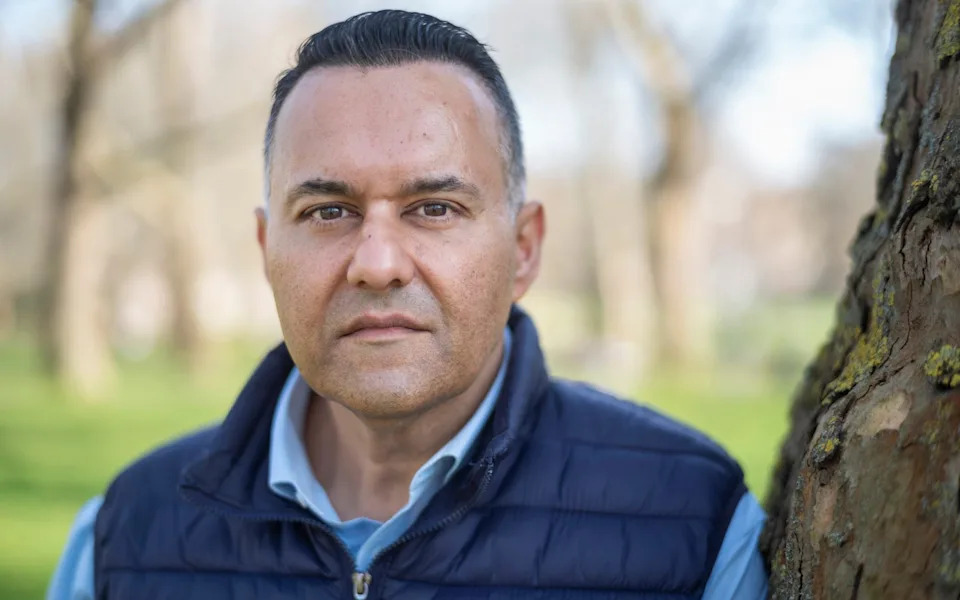
Fiyaz Mughal, a counter-terrorism expert, says Britain's leaders are burying their heads in the sand about Islamic extremism - David Rose
Education, Politics And Sensitivities
In England there is no national requirement to teach 9/11 as a discrete topic. Teachers typically follow the curriculum and have limited time to add recent, politically sensitive events. Experts and school leaders say that concerns about causing offence, fanning community tensions or being accused of racism make some educators reticent to address Islamist extremism in class.
Many educators are scared to teach about 9/11 and Islamic extremism for fear of being called racist - Alex Wong/Getty Images
"We need to see these things, we need to discuss these things... real people, real things, real places," said Brian Jenner, who organised a recent screening aimed at countering conspiratorial thinking.
Counter-terrorism figures, including Fiyaz Mughal, say politicians are also cautious: they worry about damaging relations with Muslim communities or electoral consequences. Former education secretary Michael Gove and other commentators note that recent events can be taught sensitively, but the hurdle remains political and practical.
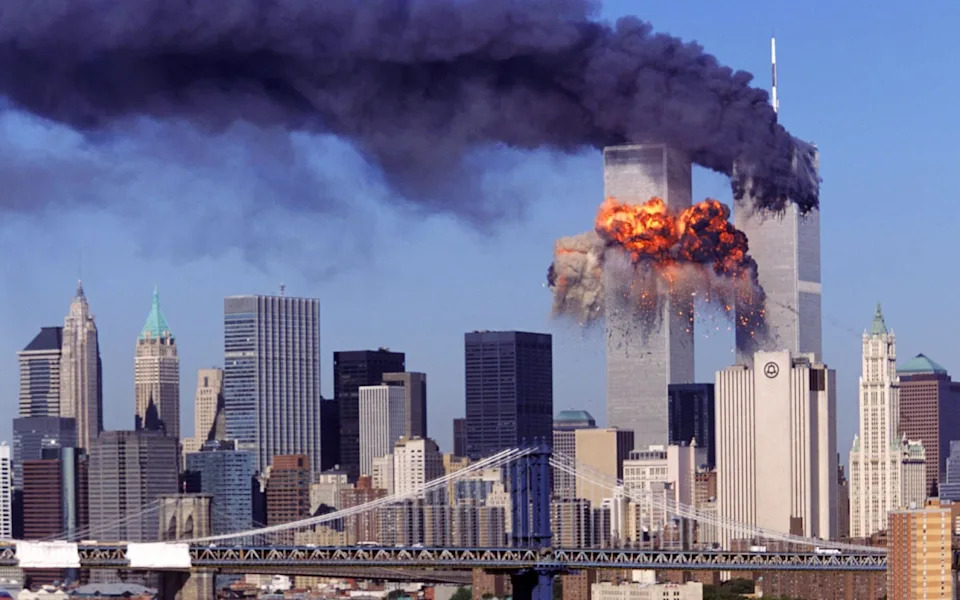
One popular conspiracy among children is that the planes hitting the Twin Towers were a cover for a bomb that blew the buildings up - Robert Clark/AP
Conspiracy Theories, Social Media And Young People
Without structured teaching, young people increasingly turn to social media for explanations. Short-form videos convey spectacle but often omit context, causation and evidence. Research highlights the consequences: a 2022 Policy Institute (King’s College London) study found that about 24% of UK respondents accepted, at least provisionally, claims that people in the US assisted or stood aside to create a pretext for war. Older polling from a 2016 Policy Exchange/ICM survey reported that substantial minorities in some groups endorsed alternative accounts of responsibility for the attacks.
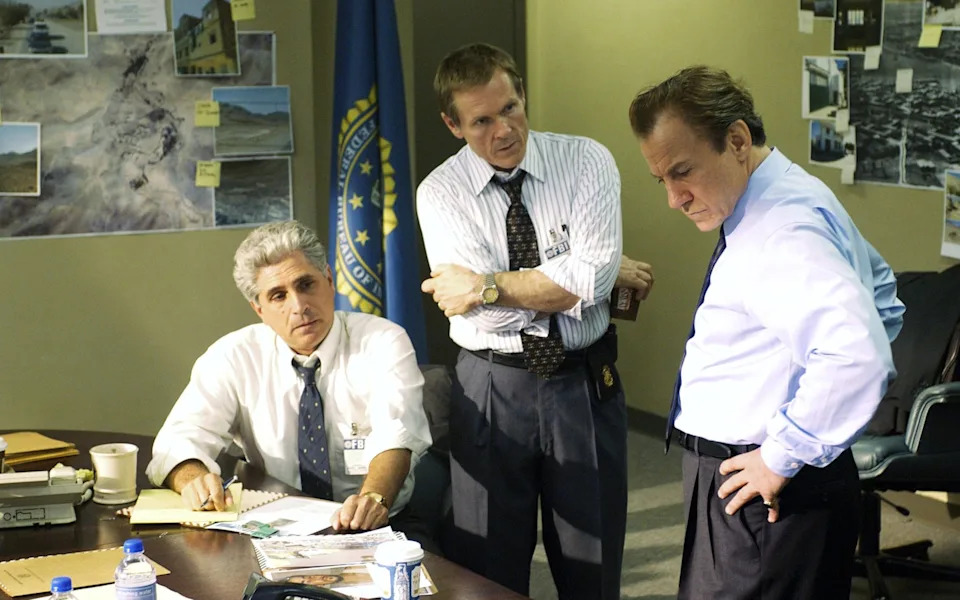
'The Path to 9/11' has never been re-aired since its 2006 release, despite a star-studded cast and $40m budget - ABC/Everett/Shutterstock
Educators who have addressed conspiratorial claims recount being challenged by students with detailed but misleading pseudo-technical arguments (for example, references to steel temperatures). Some teachers themselves may be uncertain how to respond, and charities such as Since 9/11 offer classroom workshops to give young people factual grounding before false narratives take hold.
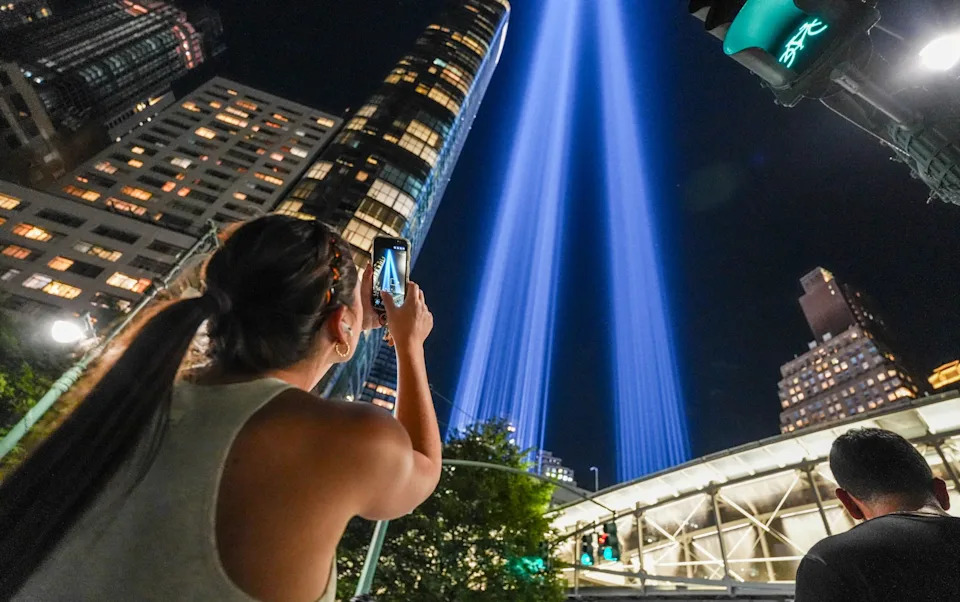
Many young people's lives have been shaped by 9/11's legacy, but they remain vulnerable to misinformation - Ryan Murphy/AFP
Culture, Media And The Limits Of Commemoration
Memory is also shaped by what cultural institutions promote. High-profile productions intended to explain or dramatise the lead-up to 9/11—such as ABC’s drama The Path to 9/11—have quietly disappeared from circulation, limiting mainstream avenues for learning. At the same time, families of victims and memorials continue to preserve personal stories: many relatives still press for public remembrance and education.
Personal Stories And Lasting Loss
Individual family efforts keep memory alive. Joy Bennett, whose son Oli died at the World Trade Center, has attended every UK remembrance ceremony and ran a charitable trust in his name for 25 years. But not every victim’s story has institutional permanence; as some memorial projects wind down, the risk of fading public awareness grows.
What Can Be Done
Experts and campaigners recommend practical steps to preserve informed memory: integrate 9/11 into accessible parts of school curricula (history, citizenship, media literacy), equip teachers with sensitive, evidence-based resources, support charities that run workshops, and encourage public broadcasters and cultural institutions to make balanced content widely available. The goal is not to sensationalise but to teach context, the human cost, and how to judge information critically.
Final Thought
For younger generations, 9/11 risks becoming an image without explanation. Sustained, careful education and honest public discussion can help ensure that the causes, consequences and human stories of that day remain understood rather than reduced to fragments, speculation or forgetfulness.
Help us improve.