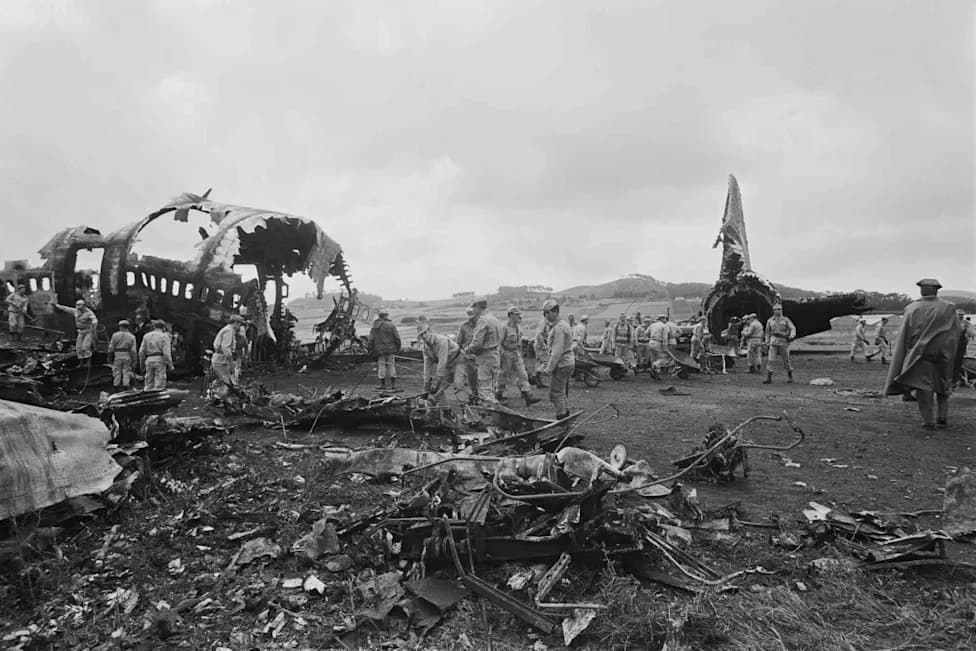
Japan Airlines Flight 123 crashed into Mount Takamagahara on Aug. 12, 1985, killing 520 people and standing as the deadliest single‑aircraft accident in history. A rupture of the aft pressure bulkhead caused an explosive decompression and severed all four hydraulic lines, leaving the crew unable to control the Boeing 747. Rescue efforts were delayed by night and remote terrain; four passengers survived and were recovered after roughly 16 hours. Families and mourners continue to honor the victims, most recently with a memorial hike along Osutaka Ridge in August 2026.
Japan Airlines Flight 123: The 1985 Crash That Killed 520 and Shaped Aviation Safety
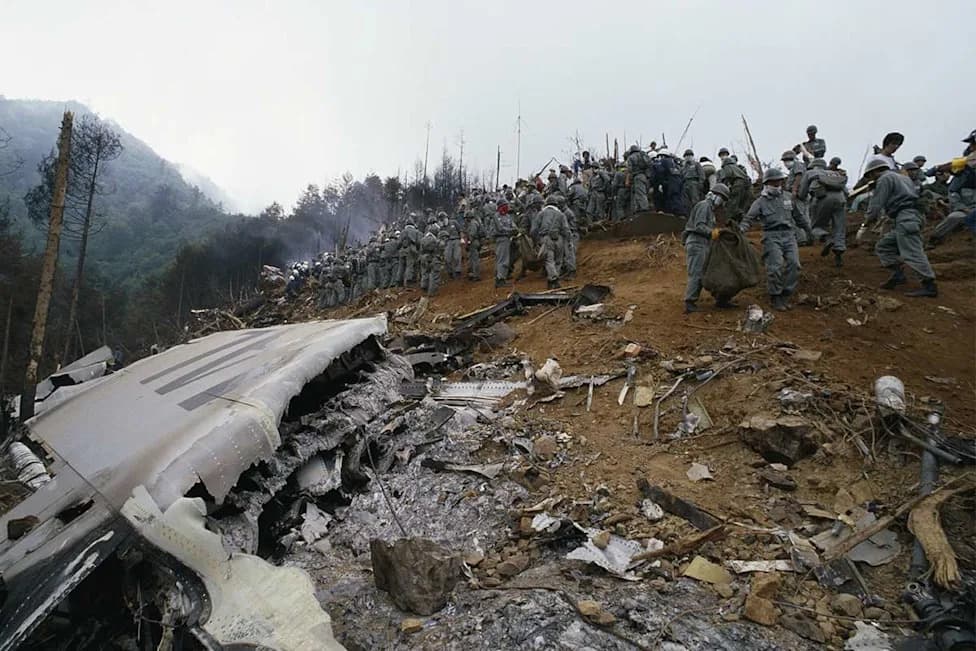
Wreckage at the Japan Airlines flight 123 crash site in 1985Credit: robert wallis/Corbis via Getty
More than four decades after the disaster, Japan Airlines Flight 123 remains the deadliest single‑aircraft accident in history. On Aug. 12, 1985, a Boeing 747‑SR100 operating a domestic flight from Tokyo to Osaka suffered catastrophic structural failure and slammed into Mount Takamagahara in Gunma Prefecture, killing 520 people.
What Happened
The flight departed Tokyo at about 6:12 p.m. with 524 passengers and crew aboard. Just 12 minutes after takeoff the aircraft experienced an "explosive decompression" when the aft (rear) pressure bulkhead ruptured. That failure inflicted severe structural damage and severed all four hydraulic lines, leaving the flight crew with virtually no means to control the airplane.
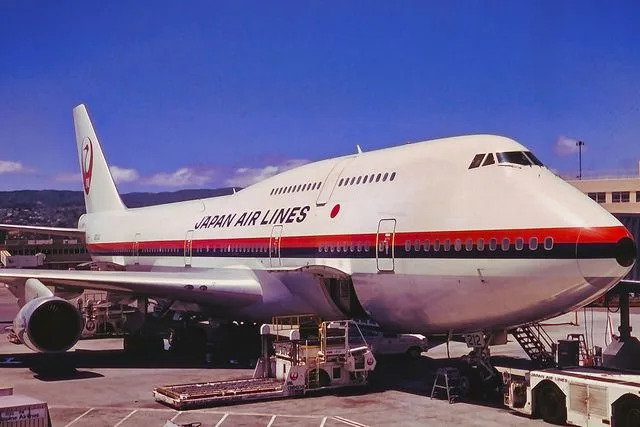
Japan Air Lines plane in June 1985Credit: Ed Lallo/Getty
Timeline
As the jet climbed toward its cruising altitude of roughly 24,000 feet, the crew transmitted distress calls reporting difficulty maintaining altitude. Despite the pilots' efforts, the aircraft descended to around 10,000 feet and continued to lose altitude. Approximately 45 minutes after departure the plane impacted the side of Mount Takamagahara.
Casualties and Survivors
The crash claimed the lives of 505 passengers and 15 crew members, for a total of 520 fatalities; four passengers survived. Rescuers later recovered the survivors, including an off‑duty flight attendant, who described hearing a loud noise seconds before ceiling panels began to fail and the cabin filled with condensation. Survivors were trapped in the wreckage for roughly 16 hours before being found. Personal notes recovered at the site indicated passengers understood the severity of their situation.
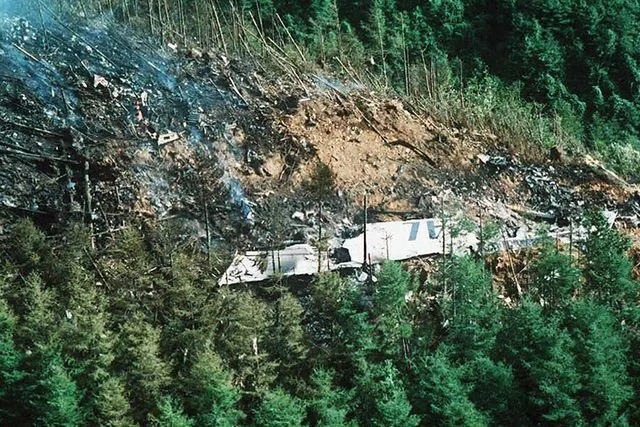
Wreckage of Japan Airlines (JAL) flight 123 in 1985Credit: STF/AFP via Getty
Rescue and Recovery Challenges
Search-and-rescue operations were hampered by darkness and steep, remote terrain. Paratroopers and helicopter teams were unable to reach the impact site until the following morning, drastically reducing the chance of finding survivors during the critical early hours.
Legacy and Remembrance
The Flight 123 disaster profoundly affected Japanese society and aviation worldwide, prompting safety reviews and design scrutiny. Families and communities have continued to honor the victims. In August 2026 — 41 years after the crash — relatives and mourners returned to the Osutaka Ridge near the impact site for a commemorative hike, prayer, and a balloon release to remember the 520 victims.
Why It Matters: The accident highlighted the catastrophic consequences of structural failure and hydraulic loss in large airliners, and it remains a pivotal case in aviation safety and maintenance practices.
Help us improve.