Professor Amos Frumkin proposes that wildfires and post-fire erosion exposed naturally baked terra rossa clay in valleys like the Jordan and Dead Sea, giving Neolithic communities the opportunity to observe and imitate clay hardening. The study links pottery's rise about 9,000 years ago to episodes of burning and redeposition, and calls for experiments to test whether wildfire temperatures (roughly 500°C–700°C) could produce early ceramics.
Wildfires May Have Sparked the Invention of Pottery, Study Suggests
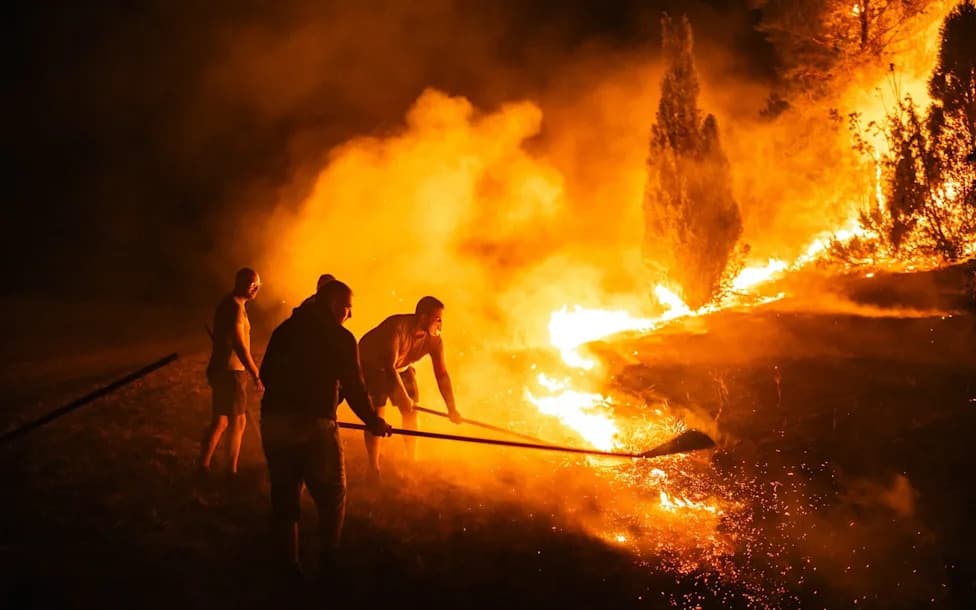
Wildfires are normally seen as a catastrophe but may have exposed early societies to new possibilities, says scientist - AFP
Wildfires are usually cast as destructive forces, but a new study proposes they may also have played a creative role in human technology. Professor Amos Frumkin of the Institute of Earth Sciences at the Hebrew University of Jerusalem argues that intense burning and subsequent erosion exposed naturally baked clay that Neolithic people could have learned to replicate — a proposal termed the "natural kiln hypothesis."
Evidence and Argument
Frumkin and colleagues examined ancient sedimentary layers and charcoal deposits from caves and archaeological sites across the eastern Mediterranean. They found that episodes of extensive wildfire and vegetation loss coincided with pulses of soil erosion and the appearance of pottery in the archaeological record.
"A wildfire is normally seen only as a catastrophe, but environmental disruption can also expose people to new materials and new possibilities," Frumkin said. "Neolithic communities in the Jordan Valley may have watched fire transform the clay beneath and around their settlements, and realised that this process could be reproduced deliberately."
The research compares two intervals of climatic disturbance: one about 129,000–116,000 years ago and a later period roughly 11,000–7,000 years ago, when farming spread along the eastern Mediterranean and pottery became widespread. In both intervals, evidence points to major burning events followed by severe erosion that redeposited clay-rich terra rossa soils into basins such as the Jordan and Dead Sea valleys.
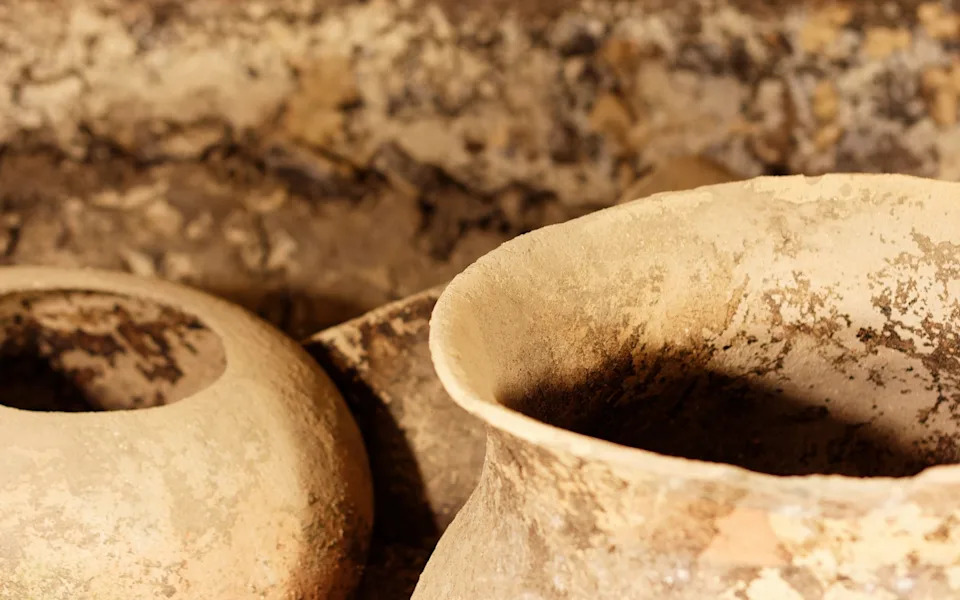
Research shows that the surge in the use of pottery coincided with wildfires and erosion - iStockphoto/Bruno Malfondet
From Natural Kiln to Deliberate Craft
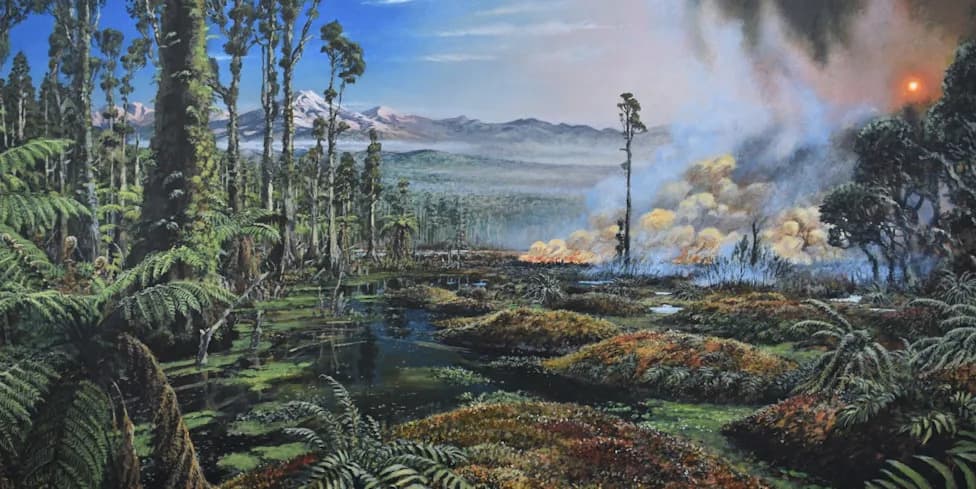
According to the hypothesis, storms washed terra rossa from hills into low-lying depressions, creating abundant patches of clay. Wildfires could then bake those clay deposits in situ, producing naturally hardened material that people encountered. Frumkin notes that the earliest pottery in the Jordan Valley — associated with the Yarmukian culture — was made from locally redeposited terra rossa clay, supporting a local origin for those ceramics.
Vessels hardened by heat offered clear advantages: they made cooking, storage and handling of liquids easier and more reliable. Frumkin suggests pottery did not appear earlier despite similar environmental settings because earlier populations may have lacked the necessary cognitive frameworks, technical knowledge or social conditions to exploit the opportunity.
Outstanding Questions and Context
Frumkin calls for experimental work to test whether wildfires in the Jordan Valley could have reached the 500°C–700°C range thought necessary to begin converting clay into durable ceramic. He also notes that coarse ceramic fragments have been reported from Chinese cave sites dated to about 20,000–22,000 years ago; those pieces were probably fired in hearths at lower temperatures and did not achieve the same durability as later kiln-fired pottery.
The study was published in the journal Geomorphology. While not definitive, the "natural kiln" idea offers a plausible pathway by which people could have observed and then deliberately reproduced a process they first encountered in their environment.
Help us improve.