The UK caps home medical school places in England at 8,000, contributing to a sharp rise in internationally trained doctors registered by the GMC since 2017. Researchers and GMC data have raised concerns about PLAB's ability to ensure equivalence with UK graduates; the promised UKMLA rollout was delayed. In 2024 IMGs and EEA graduates faced 1.5–1.7x higher Fitness to Practise referrals and had lower postgraduate pass rates (57% vs 83% for UK graduates). The author calls for more home-trained doctors, a single licensing assessment and GMC reform.
Britain Must Train More Homegrown Doctors — Fix Licensing and GMC Oversight
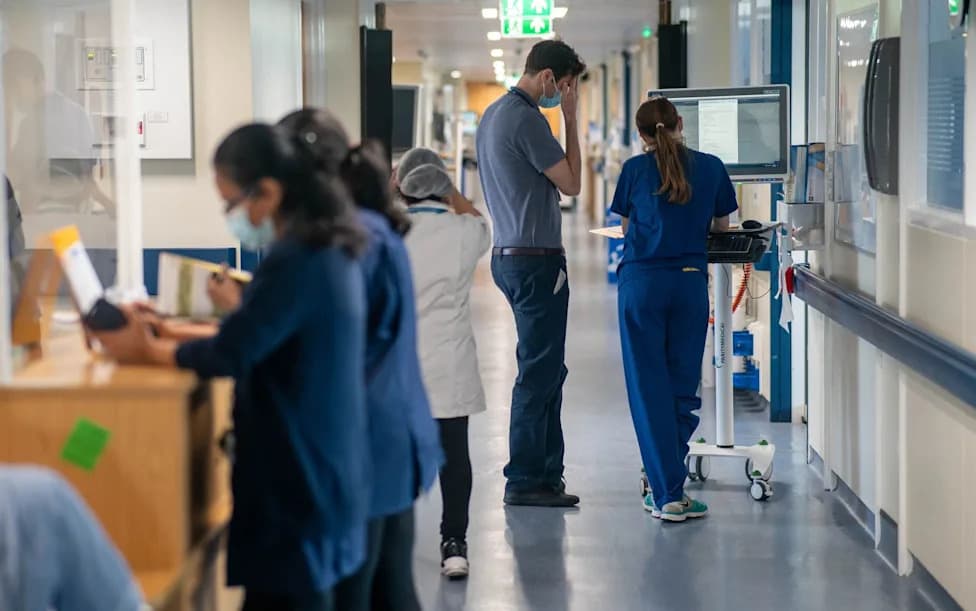
We have squandered experience and merit by failing to train enough home-grown doctors - Jeff Moore/PA
The UK caps medical school places for home students in England at 8,000, a limit justified by the high cost of training. That cap has helped drive an increased reliance on internationally trained doctors to meet the NHS's growing staffing needs.
Background
Most recruits have been International Medical Graduates (IMGs) from lower-income countries — notably India, Pakistan, Nigeria and Egypt — with additional doctors arriving from the European Economic Area (EEA). The last year the UK trained more doctors than it registered from abroad was 2016, when the General Medical Council (GMC) recorded 7,180 UK graduates, alongside 3,431 IMGs and 2,164 EEA graduates. Since 2017 the GMC has registered roughly 120,000 international graduates; in 2024 the figures were 9,285 UK graduates, 16,913 IMGs and 2,366 EEA graduates.
Concerns About Equivalence and Assessment
To register with the GMC, IMGs must pass the Professional and Linguistic Assessments Board (PLAB) exam, while until recently EEA graduates could register without an equivalent assessment. Academic research has raised serious questions about PLAB's ability to ensure equivalence with UK-trained doctors.
"As a regulator, the GMC does everything within its power to maintain the flow of IMGs to help keep the health service afloat."
— GMC, 2022 Workforce Report
Two papers in the British Medical Journal (2014) — by researchers at Durham, UCL and Cambridge — concluded the PLAB pass mark should be raised substantially to approach parity with UK graduates and highlighted a wide attainment gap in postgraduate examinations. Despite those warnings, from 2017 the number of PLAB exam centres in lower‑income regions grew to 24 (for example: four in India, three in Nigeria, two in Pakistan and two in Egypt), and candidates are permitted up to five attempts.
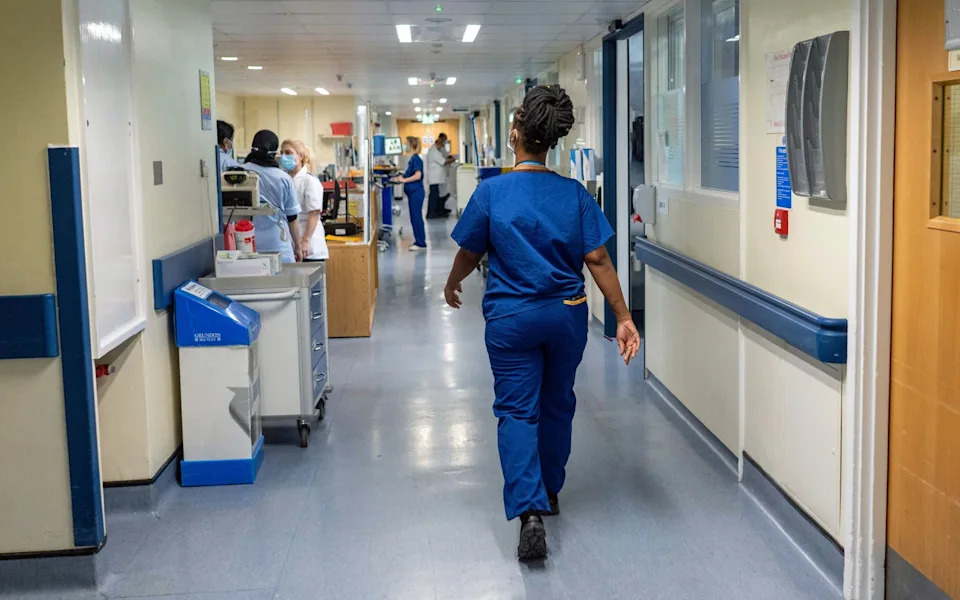
There was evidence that a proportion of foreign doctors were not equivalent to UK graduates in knowledge and skill - Jeff Moore/PA Wire
UKMLA: A Promised Single Licensing Assessment That Was Delayed
The GMC had planned to replace PLAB with the UK Medical Licensing Assessment (UKMLA) by 2024–2025. The UKMLA — the final exam taken by UK medical students — was intended to ensure a consistent level of knowledge, clinical skill and patient care across UK and internationally trained graduates. However, the GMC withdrew its commitment to roll out the UKMLA months before implementation.
Consequences: Fitness to Practise and Postgraduate Attainment
There are two clear consequences where evidence suggests gaps in equivalence are affecting outcomes:
- Fitness to Practise (FtP): A 2019 GMC-commissioned study, "Fair to Refer?", explored why overseas graduates were more frequently referred to the GMC by employers. The report emphasized transition support as a factor. However, subsequent data obtained via Freedom of Information show that in 2024 IMG and EEA graduates were referred to the GMC on FtP grounds 1.5 and 1.7 times more often, respectively, than UK graduates.
- Postgraduate Examination Performance: Differential attainment persists in postgraduate assessments. GMC figures for 2024 show overall pass rates of 83% for UK graduates versus 57% for both IMG and EEA graduates in the three most common postgraduate exams.
What Should Change
The article argues for a three-part solution: increase the number of home medical training places so more British students can train as doctors; implement a single, consistent licensing assessment that ensures equivalence (the UKMLA or a properly reformed alternative); and pursue targeted reforms at the GMC to strengthen assessment standards and accountability. Complementary measures should include robust transition support for internationally trained doctors working in the NHS and transparent, evidence-based monitoring of outcomes.
Conclusion
Training more homegrown doctors and ensuring a single, reliable licensing standard would reduce over-reliance on overseas recruitment, improve consistency of care, and help close current gaps in fitness-to-practise referrals and postgraduate exam performance.
Help us improve.