Clover Biopharmaceuticals’ Phase II trial of two combination respiratory vaccines in 420 adults aged 60–85 showed strong immunogenicity and an encouraging clinical signal. Both SCB‑1022 (RSV+hMPV) and SCB‑1033 (RSV+hMPV+PIV3) raised neutralizing antibodies at 28 days, with no reduced responses in participants over 75 and no immune interference from the added PIV3 antigen. Vaccine recipients reported 62% fewer respiratory infections versus placebo, and both formulations were well tolerated. Clover plans to advance both candidates into later‑stage development and seek global partnerships.
Clover’s Combination RSV Vaccines Show Strong Phase II Results in Older Adults — 62% Fewer Reported Respiratory Infections
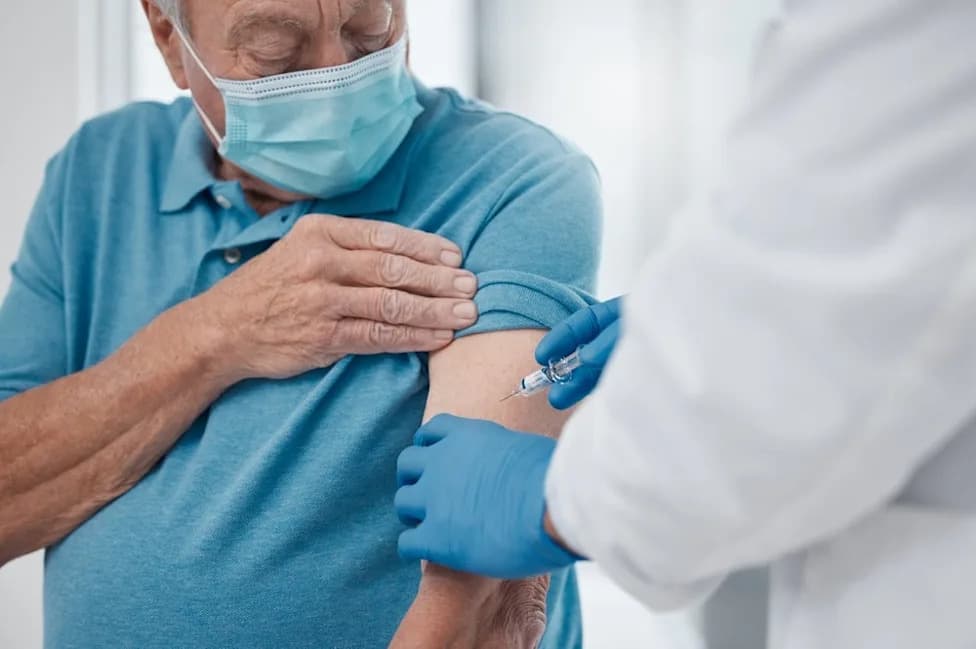
Clover says that its combination respiratory vaccine candidates could hold "best-in-class" potential as respiratory disease continues to place a significant burden on global public healthcare systems. Credit: PeopleImages / Shutterstock.com.
Clover Biopharmaceuticals reported encouraging Phase II results for two multivalent respiratory vaccines tested in older adults, suggesting the candidates may offer broad and durable protection against common respiratory viruses in high-risk populations.
Key Phase II Findings
The multicentre, randomized mid‑stage study in Australia enrolled 420 participants aged 60–85 who received either SCB‑1022 (RSV + hMPV), SCB‑1033 (RSV + hMPV + PIV3) or placebo. At 28 days post‑vaccination, recipients of either active vaccine showed marked increases in neutralizing antibody titers against RSV and hMPV, and where measured, against PIV3.
Importantly, participants aged over 75 did not show any decline in antibody responses compared with the younger cohorts in the 60–85 range, indicating the formulations elicited robust responses across the older age spectrum.
No Immune Interference Observed
The addition of the PIV3 antigen in SCB‑1033 did not diminish neutralizing antibody activity against RSV or hMPV, addressing a common concern about antigenic competition in multivalent vaccines.
Clinical Signal and Safety
Based on adverse‑event reporting through 28 days, vaccine recipients had a 62% lower rate of reported respiratory tract infections compared with placebo, a signal observed despite a substantial RSV outbreak in Australia that overlapped the trial period. Both combination vaccines were generally well tolerated; the most common reactions were mild, transient, and typically resolved in about two days, with similar rates reported in vaccine and placebo arms.
Next Steps and Context
Clover said it will advance SCB‑1022 and SCB‑1033 into mid‑to‑late stage development and pursue global partnerships to maximise clinical and commercial impact. Joshua Liang, Clover's CEO and board director, said the data demonstrate the potential of the combination approach to "re‑vaccinate individuals who previously received approved RSV vaccines to restore and broaden protection."
This development comes amid a significant global burden from seasonal respiratory viruses. The World Health Organization estimates RSV causes roughly 3.6 million hospitalisations each year, highlighting a need for improved preventive options for older adults and other vulnerable groups.
Market context: GlobalData's Pharmaceutical Intelligence Center notes Sanofi’s long‑acting RSV product Beyfortus (nirsevimab) generated about $2 billion in revenue in 2025, with analysts projecting sales growth at a roughly 4.3% CAGR through 2032 — illustrating a competitive and growing market for RSV prevention.
Bottom Line
The Phase II data position Clover’s combination vaccines as promising candidates for broader protection against several respiratory pathogens in older adults, with favourable immunogenicity, an encouraging safety profile, and an initial clinical signal of fewer respiratory events. Clover will now push these candidates toward later‑stage trials while seeking partnerships to expand reach.
Help us improve.