House Minority Leader Hakeem Jeffries told NBC's Meet the Press he does not support Medicare for All in its current form and rejected the Democratic Socialists of America's platform, urging Democrats to prioritize affordability. Congressional records show Jeffries cosponsored Medicare for All bills in 2019 and 2021 but was not listed among cosponsors for the 2025 H.R. 3069 package. Rep. Ro Khanna called Medicare for All "arguably the most important priority" and cited a Yale analysis projecting potential national savings. The exchange underscores tensions between party leadership and progressive activists after several primary upsets.
Jeffries Rejects Medicare for All, Distances Himself From DSA; Khanna Calls Single-Payer Top Priority
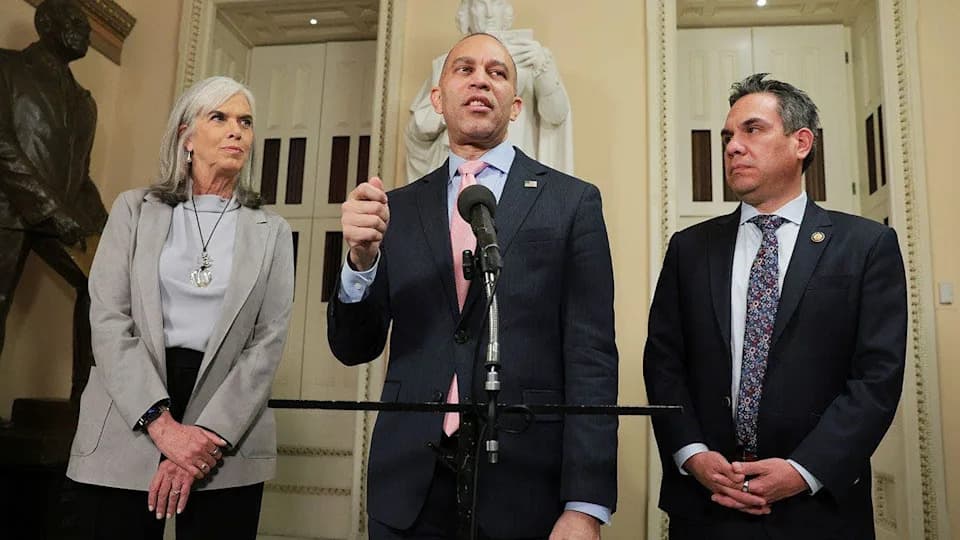
House Minority Leader Hakeem Jeffries, D-N.Y., rejected Medicare for All and distanced himself from the Democratic Socialists of America's agenda.
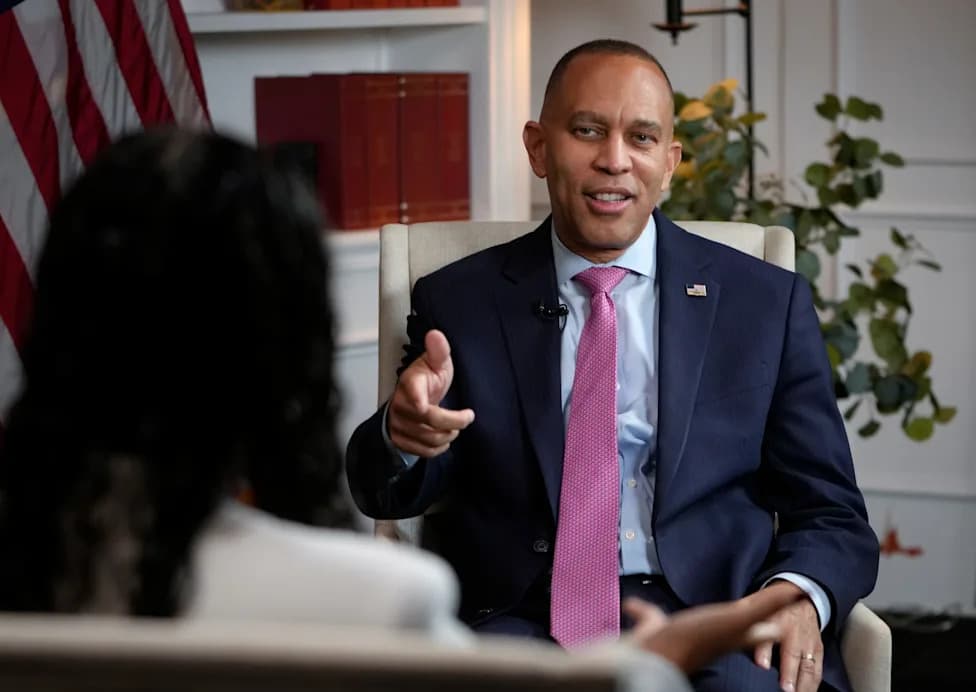
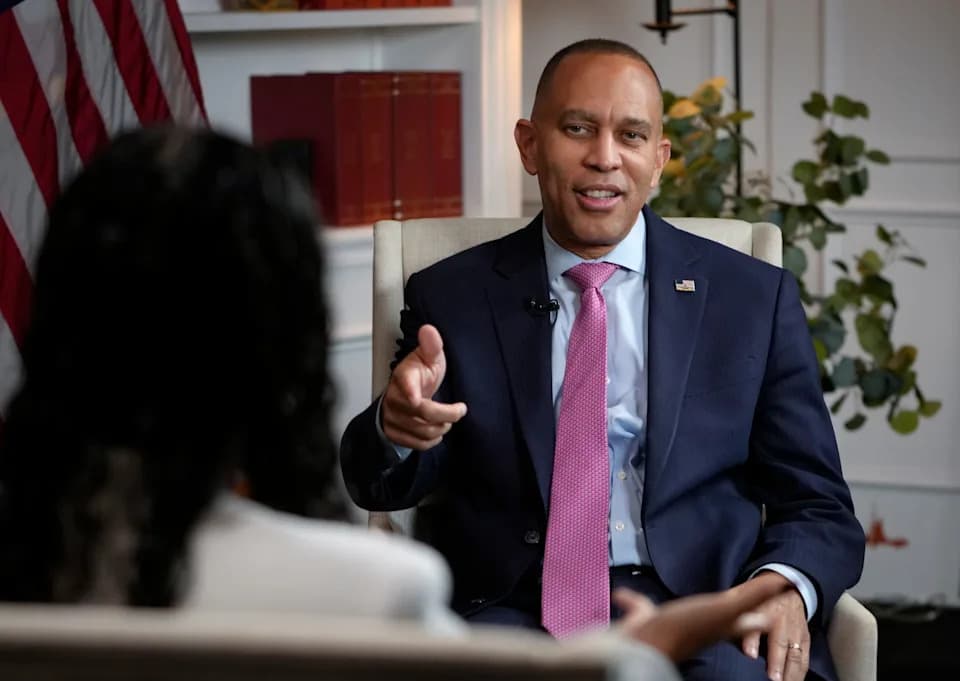
House Minority Leader Hakeem Jeffries (D-N.Y.) on Sunday told NBC's Meet the Press that he does not support Medicare for All in its current form and rejected the platform of the Democratic Socialists of America (DSA), urging Democrats to prioritize affordability as they try to retake the House in November.
Jeffries’ Position and Record
Asked directly by host Kristen Welker whether he personally backed Medicare for All, Jeffries replied,
“No, I — as you indicated, I haven't cosponsored the Medicare for All legislation that has been introduced over the last several years.”He added that, as House Democratic leader, he wants first to "fix our broken health care system" and then build something better, with a central focus on making care affordable for every American.

Rep. Ro Khanna, D-Calif., broke with Jeffries and called Medicare for All "arguably the most important priority."
Records show a nuanced history: Jeffries formally cosponsored earlier Medicare for All measures in 2019 and again in 2021, but he was not listed among the roughly 102 additional House cosponsors when Reps. Pramila Jayapal (D-Wash.) and Debbie Dingell (D-Mich.) introduced H.R. 3069 in April 2025. The NYC DSA Healthcare Working Group has said its organizing helped secure his past support while noting his simultaneous backing of a public-option proposal known as Medicare X.
Progressive Push and Party Tension
Rep. Ro Khanna (D-Calif.) publicly disagreed with Jeffries during a separate Meet the Press appearance, calling Medicare for All "arguably the most important priority" and urging Democrats to hold a House vote on the proposal if they reclaim the majority. Khanna cited an updated Yale analysis he commissioned that projected national health expenditures could fall from about $5.28 trillion to $4.24 trillion under a single-payer system.

The Democratic Socialists of America previously credited a pressure campaign with helping secure Jeffries' support for Medicare for All in 2019.
The national DSA's recent platform, titled "Workers Deserve More!", endorses sweeping changes including universal health care at no cost to individuals and broader institutional reforms. The group's proposals also call for abolishing U.S. Immigration and Customs Enforcement (ICE), restructuring aspects of federal governance, and redirecting police funding with the long‑term goal of transforming or abolishing traditional policing and incarceration systems. These positions underscore why Jeffries said he did not support the DSA agenda "as has been articulated by the DSA itself."
Electoral Fallout And Reactions
The debate comes after a wave of primary upsets: at least seven incumbent House Democrats lost nomination fights this cycle, including two Jeffries‑backed members — Reps. Dan Goldman and Adriano Espaillat — who were defeated by candidates backed or affiliated with the DSA in New York.
Critics weighed in after Jeffries' comments. Former MSNBC host Mehdi Hasan posted on X that Jeffries was out of step with many Democrats who support Medicare for All. Fox News Digital reported it reached out to the DSA for comment but did not immediately receive a response.
What This Means
The exchange highlights a growing tension inside the Democratic Party between congressional leadership, which is prioritizing electability and affordability measures, and a progressive wing pressing for bold structural reforms such as single‑payer health care. With competitive midterm dynamics ahead, the party will continue to wrestle with whether to embrace or marginalize the DSA’s agenda and how to translate competing health‑care visions into a unified strategy.
Help us improve.