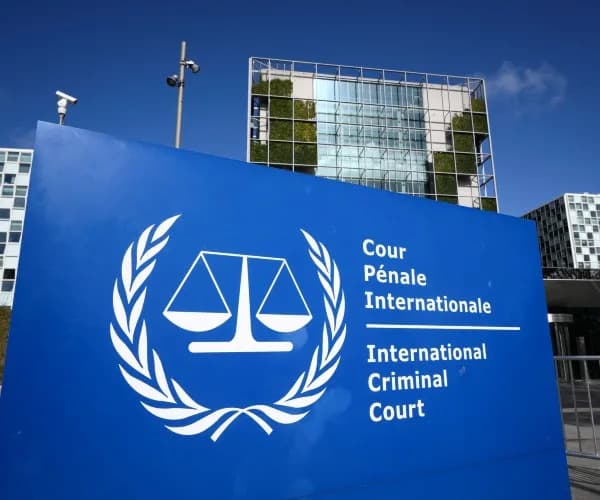
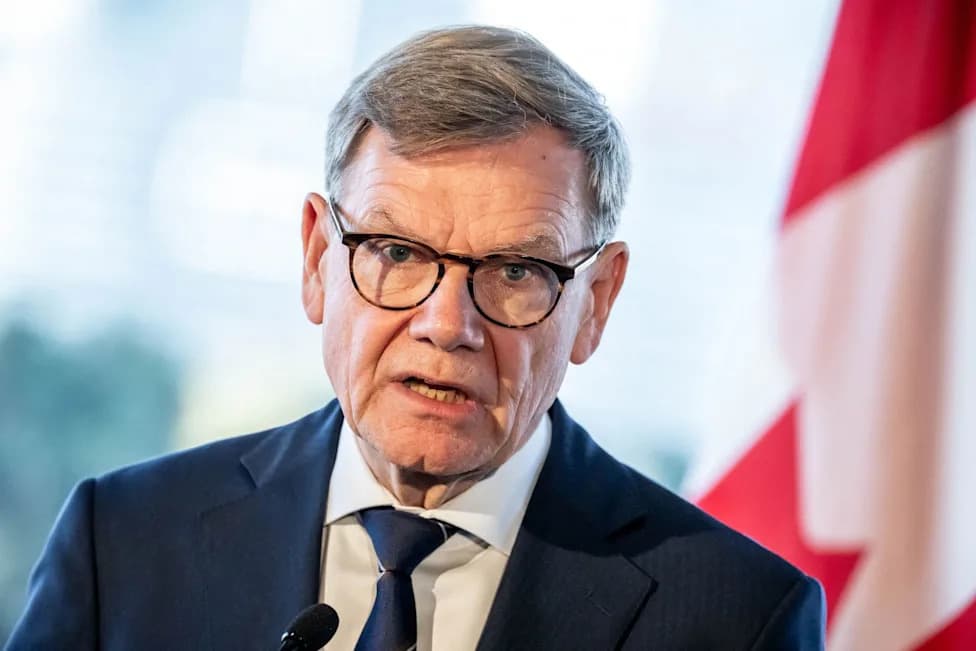
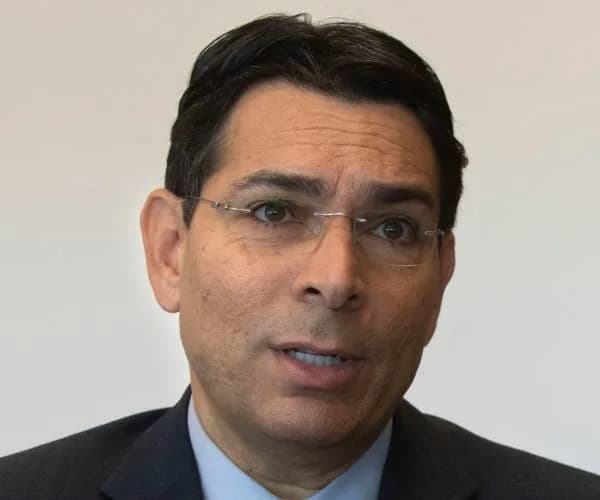
ICC President Tomoko Akane warned that US sanctions against her could presage the "demise of international rule of law," urging that the measures not set a harmful precedent. The United States sanctioned Akane and trial lawyer Abdoulaye Seye, barring them from entry and transactions in the US, accusing them of directing ICC actions against officials whose governments have not consented to jurisdiction. The ICC called the move a "flagrant attack" on its independence, and several European leaders and governments publicly defended the court. The dispute follows the ICC's 2024 arrest warrant for Israeli PM Benjamin Netanyahu and highlights broader tensions over the court's role and reach.
ICC Chief Tomoko Akane Warns US Sanctions Could Signal 'Demise Of International Rule Of Law'
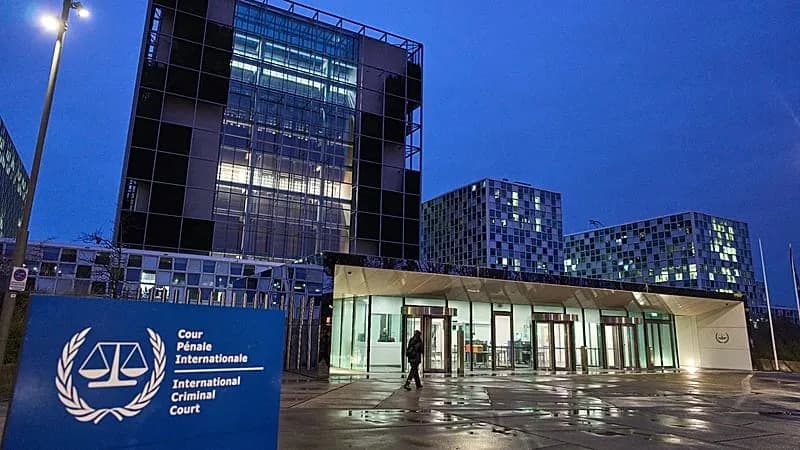
ICC head Tomoko Akane warns of 'demise of international rule of law' after US sanctions
International Criminal Court (ICC) President Tomoko Akane of Japan warned on Friday that recent US sanctions against her risk heralding the "demise of international rule of law." The measures, announced earlier in the week, bar her and senior trial lawyer Abdoulaye Seye of Senegal from entering the United States and from conducting transactions through the US financial system.
Sanctions, Allegations and Immediate Reaction
In a statement shared on X by her publisher Bungei Shunju, Akane said she had partly anticipated the move but urged that it not become a precedent that undermines global justice.

Judge Tomoko Akane at the International Criminal Court in The Hague, 19 March, 2025 - Laurie Dieffembacq/European Union
"The sanction against me this time was something I had anticipated to an extent, so I'm not surprised," Akane said. "The important thing is not to let this be the beginning of the demise of international rule of law."
The US measures, announced on Tuesday, were framed by Washington as part of a broader pushback against what the Trump administration describes as a "corrupt and fatally politicised" ICC. In a public statement, US Secretary of State Marco Rubio accused Akane and Seye of "directly" participating in ICC efforts to "investigate, arrest, detain, or prosecute officials whose government has not consented to ICC jurisdiction."
ICC Response And International Backing
The ICC itself denounced the sanctions as a "flagrant attack" on the court's independence. European leaders quickly voiced support: European Commission President Ursula von der Leyen and European Council President António Costa issued a joint statement backing the court's work and stressing that judges and officials must be able to act independently and without external pressure.
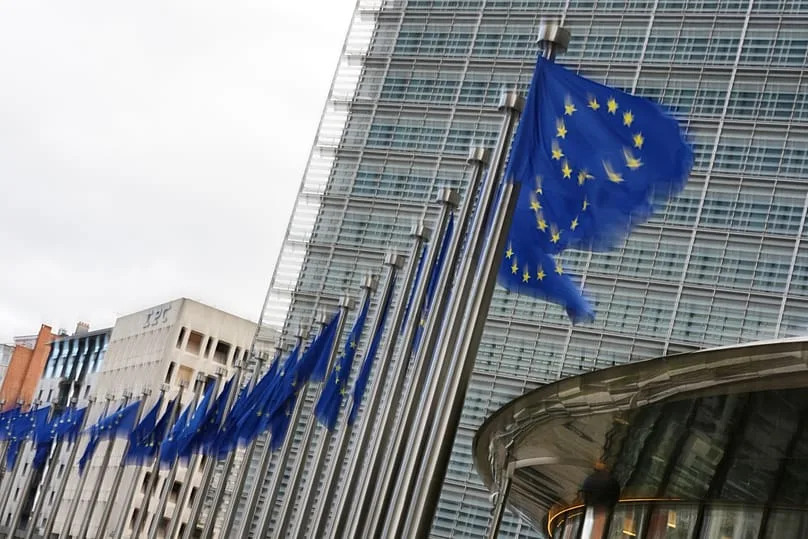
European Union flags flap in the wind outside EU headquarters in Brussels, 12 May, 2026 - AP Photo
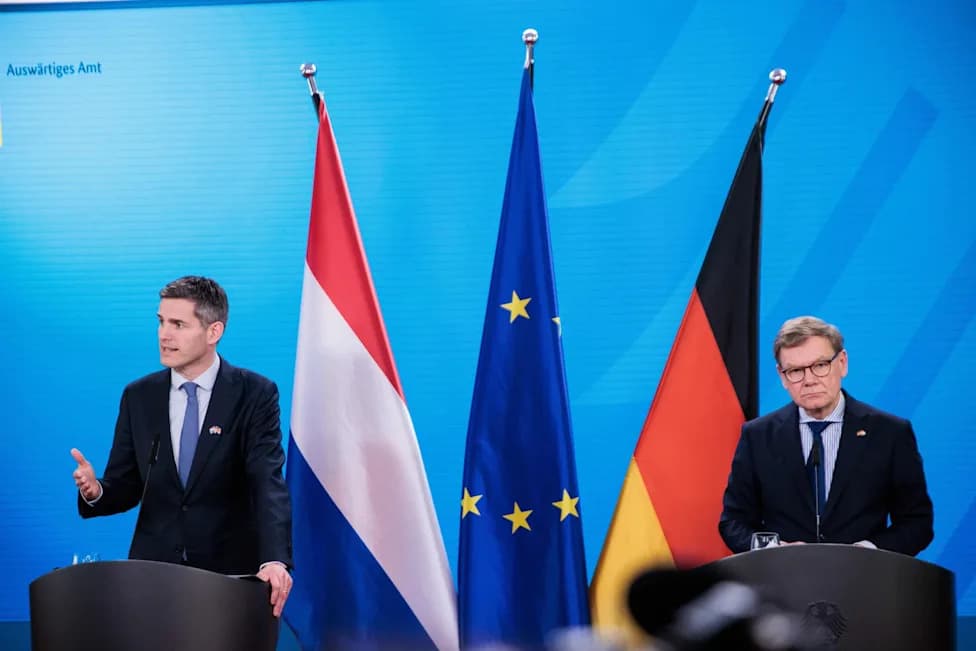
Several EU governments were explicit in their criticism of Washington's action. The Netherlands' Foreign Minister Tom Berendsen said his government "disapproves" of the sanctions, while a German government spokesperson affirmed Berlin's support for the ICC, noting that the court has held people responsible for the gravest crimes and is "fulfilling its mandate exactly as intended."
Context: ICC Jurisdiction And The Gaza Case
Although neither the United States nor Israel are parties to the ICC, Palestine has been a member since 2015, which gives the court jurisdiction to investigate alleged crimes committed on Palestinian territory. The court issued an arrest warrant for Israeli Prime Minister Benjamin Netanyahu in November 2024 in connection with alleged crimes arising from the Gaza war—an action that has been a focal point of US criticism of the ICC.
Why This Matters
Supporters of the sanctions argue they defend state sovereignty and guard against politicised prosecutions of sitting officials. Critics say the move threatens the independence of international justice mechanisms and could deter judges and prosecutors from pursuing accountability for serious crimes. Akane's warning underscores how measures against court officials can have wider legal and diplomatic repercussions.
What Happens Next: The sanctions restrict travel to and financial dealings with the United States but do not change the ICC's mandate. The dispute is likely to deepen diplomatic divisions between Washington and several European and international partners who back the court's work.
Help us improve.