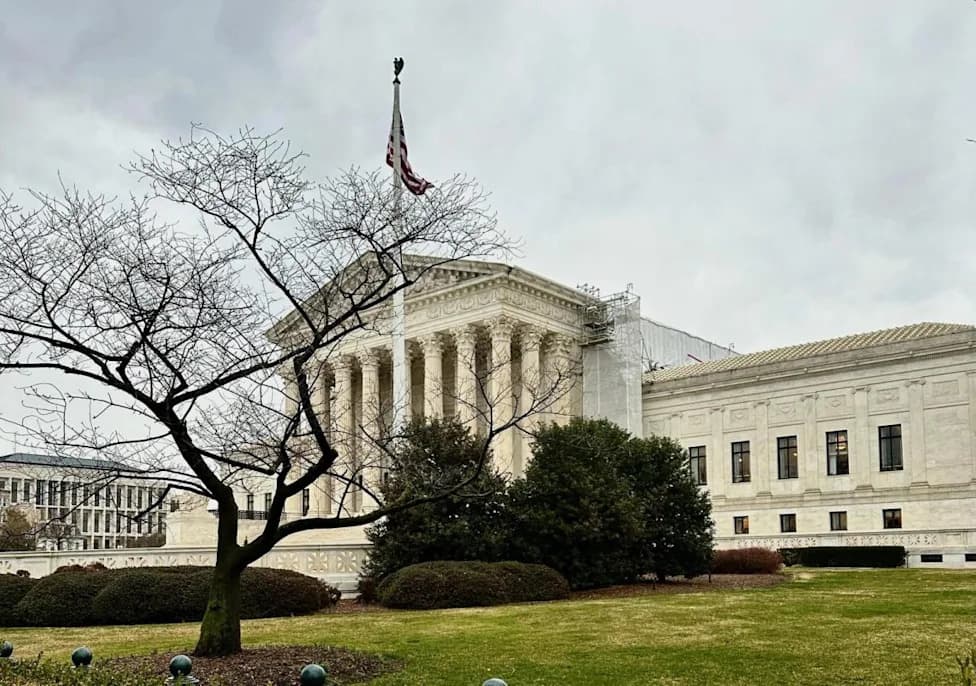
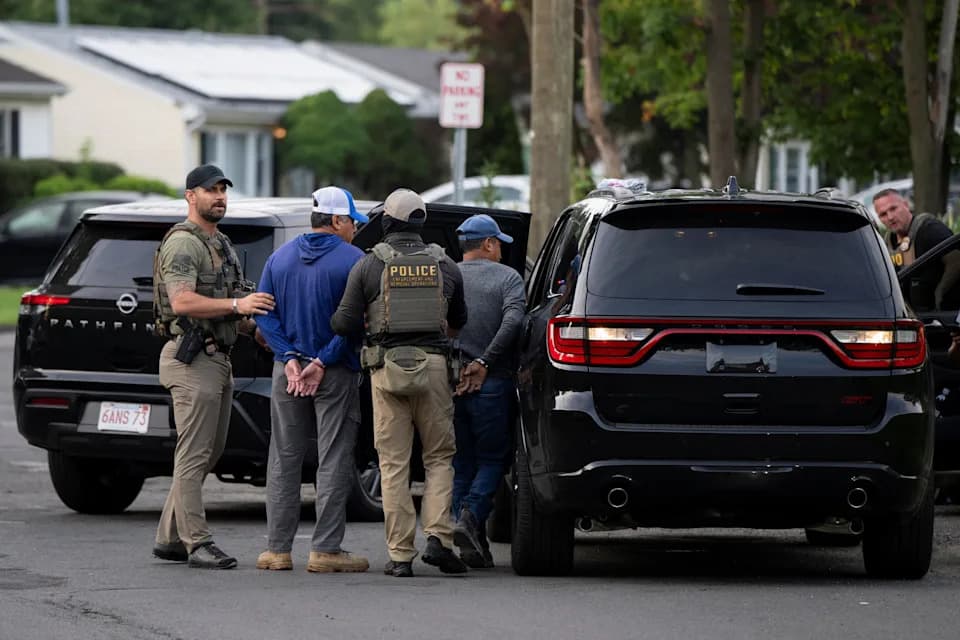
The Supreme Court may review Pena v. City of Los Angeles, a case arising from a 2022 manhunt that left a Los Angeles print shop severely damaged after a 13‑hour SWAT operation. Carlos Pena seeks about $60,000 under the Fifth Amendment's Takings Clause after the city declined to compensate him. The Ninth Circuit invoked an 18th‑century wartime "necessity" doctrine to deny relief, a move critics say dangerously equates civilian policing with military action. The high court’s decision could clarify the scope of police power and compensation for property losses nationwide.
Will the Supreme Court Rein In Police Militarization? The Stakes in Pena v. City of Los Angeles
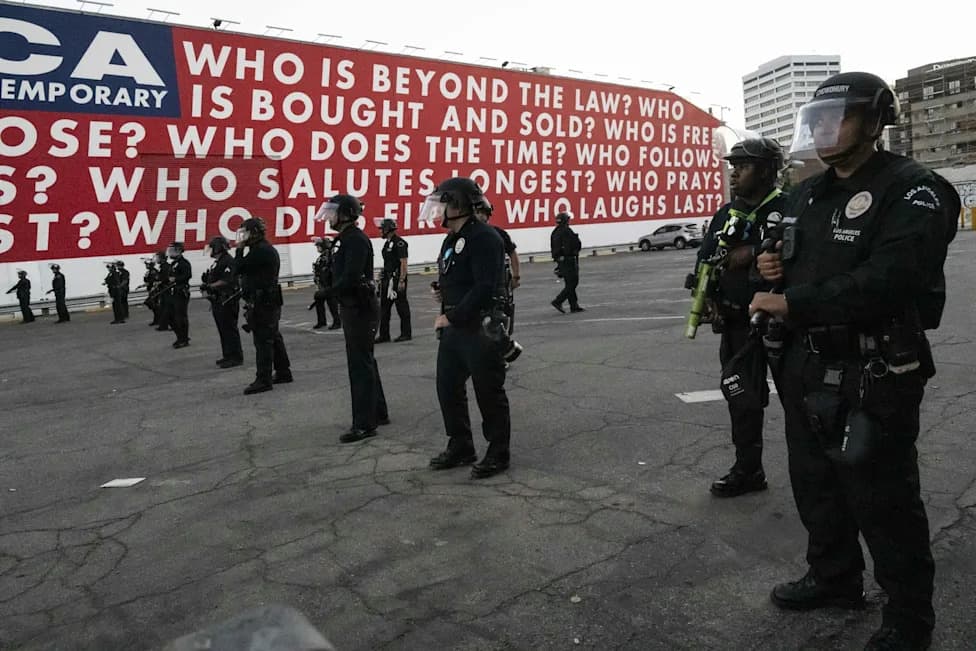
Will the Supreme Court Reject Police Militarization?
Overview: Pena v. City of Los Angeles asks whether the government must compensate a private business after police operations intentionally damaged the property while pursuing a fugitive. The Ninth Circuit relied on an 18th-century wartime "necessity" doctrine to deny compensation, raising questions about applying military-era exceptions to everyday policing.
What Happened
In 2022, a pursuit of an armed fugitive ended at Carlos Pena's long‑running Los Angeles print shop. Pena opened his door after hearing a commotion and saw a man chased by U.S. Marshals. The fugitive forced his way into the shop and barricaded himself inside.
Marshals called for backup and the LAPD deployed a SWAT team. Officers used large amounts of chemical agents—tear gas and pepper spray—and breached walls, doors, windows, and the roof to secure the building. After roughly 13 hours and an exhaustive search, officers determined the fugitive had likely escaped or was not present. The operation left the shop severely damaged and contaminated; Pena reported roughly $60,000 in losses, and his insurer refused coverage.
Legal Claims and Lower-Court Rulings
Pena sued the City of Los Angeles in 2023 under the Fifth Amendment's Takings Clause, which requires just compensation when the government takes private property for public use. He argued that the city intentionally inflicted damage while carrying out law enforcement duties and then refused to compensate him.
The district court, presided over by Judge John Walter, dismissed the claim, reasoning that the officers' conduct was a valid exercise of police power and therefore did not constitute a "taking" under the Fifth Amendment.
The Ninth Circuit reversed in part but also offered an alternative rationale. A three‑judge panel, led by Judge Mark Bennett, held that no taking occurs when officers destroy property while acting reasonably to defend public safety, and it invoked a historical "necessity" principle—drawing on the 1788 Pennsylvania case Sparhawk and later wartime precedents—to deny Pena compensation.
Judge Michelle Friedland concurred in the judgment but rejected the majority's reliance on wartime authority; she argued that the facts fit within Fourth Amendment search‑and‑arrest frameworks rather than the Takings Clause and warned against extending Sparhawk beyond its wartime context.
Why the Ninth Circuit’s Reasoning Matters
The panel majority’s use of a wartime "necessity" defense to excuse uncompensated destruction by domestic police is controversial for several reasons:
- Historical Scope: Sparhawk and the cases that cite it involved military measures taken during armed conflict. Extending that doctrine to civilian policing blurs the constitutional line between military and law enforcement roles.
- Civil Liberties Risks: Treating police actions as analogous to wartime acts could permit a broad exemption from constitutional protections and financial accountability, effectively placing civilians at risk of uncompensated losses from routine law enforcement operations.
- Policy Tradeoffs: Some law‑enforcement advocates argue that imposing compensation obligations could hamper rapid decision‑making in dangerous situations; critics counter that accountability and compensation are core limits on government power.
Voices on Both Sides
Pena conceded the SWAT team’s conduct was reasonable and did not sue officers for excessive force; he seeks only compensation from the city for property damage. A friend‑of‑the‑court brief from veteran police chief Thomas Tiderington warned that forcing officers to consider economic consequences could impair split‑second judgment and unduly burden policing.
Opponents of the Ninth Circuit’s wartime analogy argue that domestic policing should not be governed by doctrines designed for armed conflict, because doing so risks normalizing a perpetual state of emergency and undermining property rights.
Why the Supreme Court May Take the Case
The Supreme Court may review Pena for several practical and doctrinal reasons: lower‑court splits on whether and when the Takings Clause applies to police conduct; recent interest on the bench in revitalizing Takings Clause doctrine in other contexts; and the potentially far‑reaching consequences of treating ordinary domestic law enforcement like military action.
If Bennett’s reasoning stands, it could be read to justify uncompensated destruction by thousands of police departments nationwide. The Supreme Court’s intervention could clarify the boundary between police power and the Takings Clause—and whether wartime exceptions belong in civilian law enforcement.
Bottom Line
Pena v. City of Los Angeles raises a narrow factual dispute with outsized constitutional implications: whether citizens may recover compensation when lawful police operations destroy private property. The key question is whether historical wartime doctrines should excuse uncompensated harm caused by civilian police—or whether democratic accountability requires compensation when the government damages private property in the name of public safety.
Note: All factual descriptions are drawn from court filings and lower‑court opinions in Pena v. City of Los Angeles as summarized in the parties' briefs.
Help us improve.