The final caisson for the 3.5 GW Princess Elisabeth Energy Island has been installed 45 km off Belgium, completing the foundation phase. The TM EDISON consortium (Jan De Nul and DEME) built the 23 caissons for Elia Transmission Belgium; each caisson is roughly 58 m x 28 m x 23–32 m and weighs ~22,000 t. Sand backfilling will reclaim the island interior, cable works are planned for 2027–2028 and electrical works from 2029, with project completion targeted for 2031. The project qualified for a €99 million EU subsidy and will act as a major hub linking offshore wind to Belgium and planned UK/Danish connections.
Final Caisson Installed for 3.5 GW Princess Elisabeth Energy Island — Foundation Phase Complete
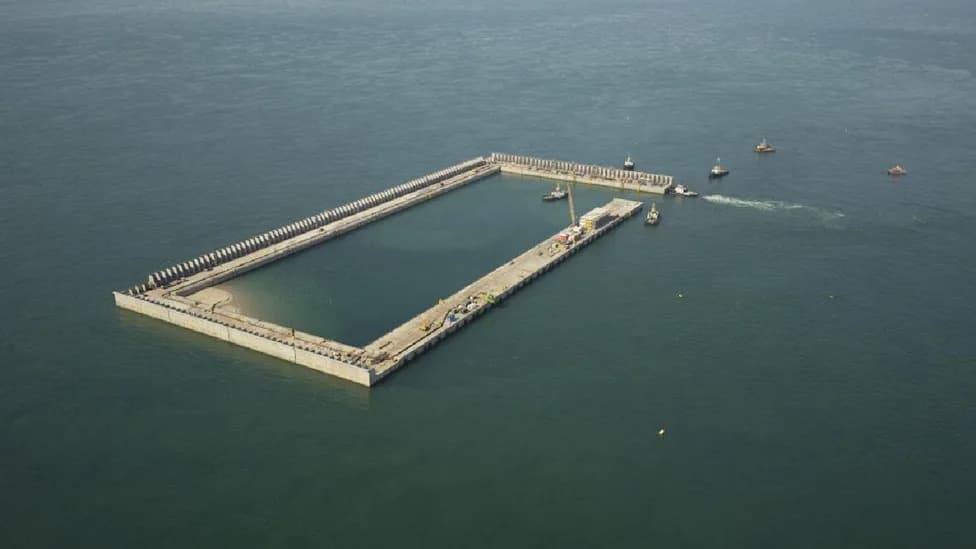
The completed caisson foundations form the protective outer shell of the island.
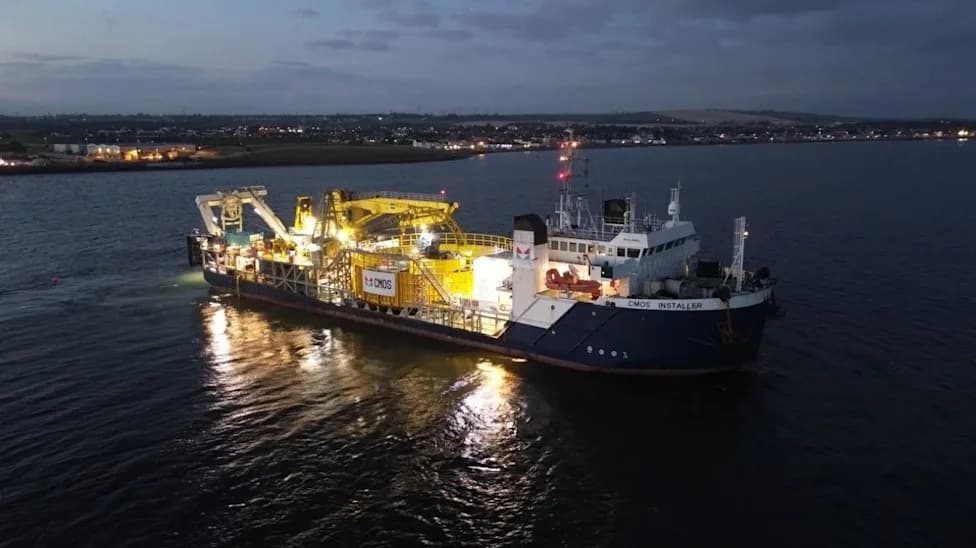
The last of 23 caissons for the 3.5 GW Princess Elisabeth Energy Island has been installed 45 km off the Belgian coast in the North Sea, bringing the project's foundation phase to completion. The artificial island is being developed by the TM EDISON consortium (Jan De Nul and DEME) for Elia Transmission Belgium.
Milestone for Belgium’s Offshore Energy Strategy
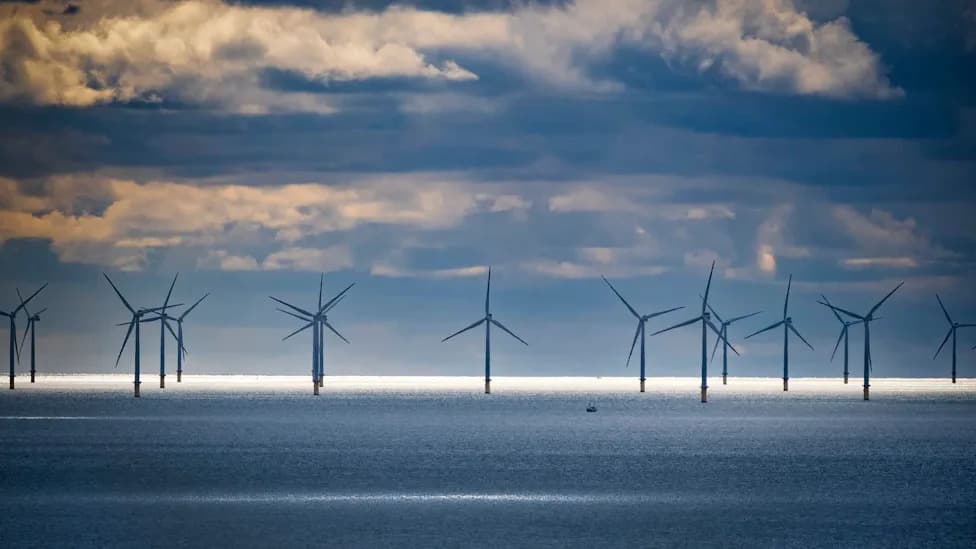
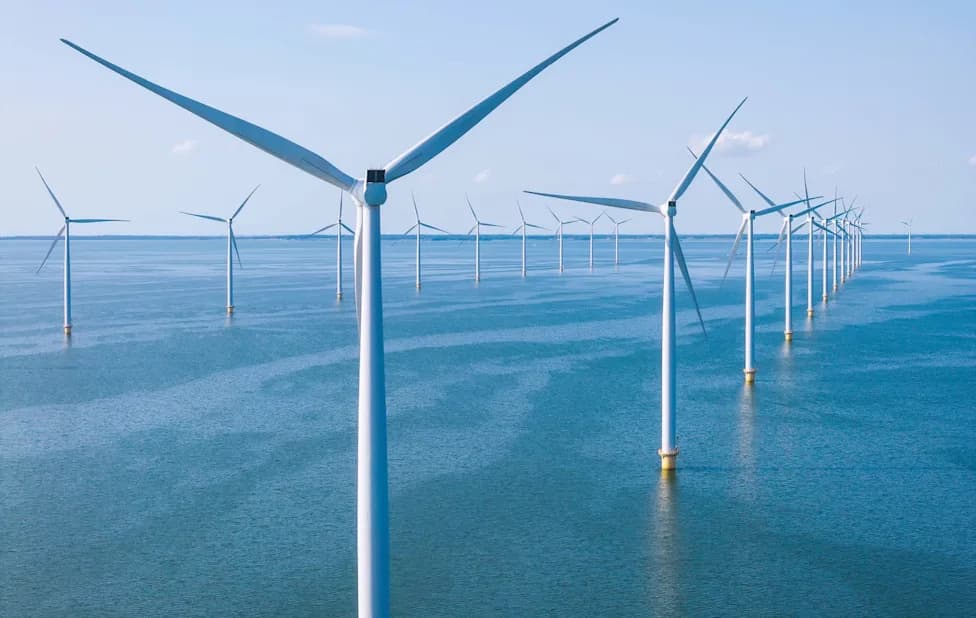
Project leaders describe the installation as a major step in expanding Belgium’s offshore wind capacity and enabling planned energy links with the United Kingdom and Denmark. Princess Elisabeth Island will connect to Belgium’s second offshore wind zone and act as a central hub in the country’s energy transition.
What Has Been Completed
The 23 caisson foundations form the island’s protective outer shell. Work on this phase began in 2024 with the first caisson installation and has now concluded, allowing the project to proceed to land reclamation and infrastructure works. Each caisson measures approximately 58 m long, 28 m wide and 23–32 m high and weighs about 22,000 t. The caissons were fabricated in Vlissingen, with roughly 300 workers on site each day, then transported and installed at the offshore location.
Next Steps and Timeline
In the coming months, teams will backfill the interior of the caisson perimeter with sand to reclaim the island surface. Undersea cable installation to the mainland is scheduled for 2027–2028, while electrical infrastructure works on the island are planned to begin in 2029. The project is expected to be completed in 2031, aligned with recently confirmed legislation.
Financing, Design and Environmental Considerations
Because the timeline met eligibility criteria, Elia qualified for a €99 million (about $115 million) EU subsidy for this construction phase — a reflection of European priorities for energy security and cross-border exchange. The consortium adopted a nature-inclusive design during construction, and planners are still assessing potential post-service uses and long-term environmental roles for the structure.
Capacity and Connections
The six-hectare island will serve as a transmission hub for renewable energy from offshore wind farms into Belgium’s high-voltage onshore grid and as a junction for planned links to the UK and Danish networks. It will be connected to the mainland by undersea high-voltage cables totalling about 165 km in length, each rated at 220 kV.
Elia Transmission Belgium CEO Frédéric Dunon: "Completing the foundation works marks a major step in developing Belgium's offshore energy infrastructure, which plays a crucial role in the energy transition and in strengthening our energy independence."
Help us improve.