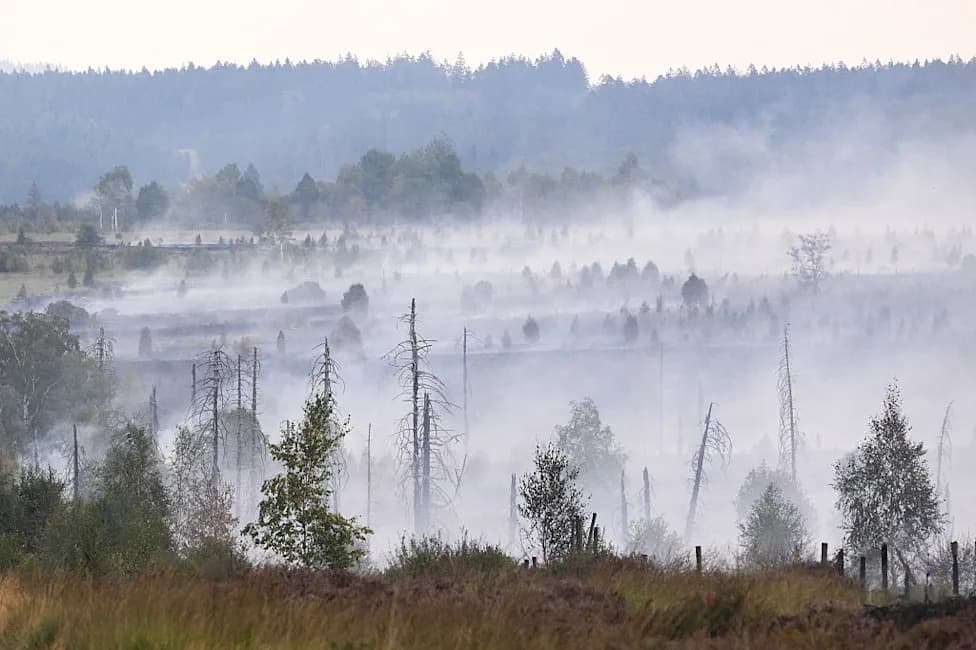
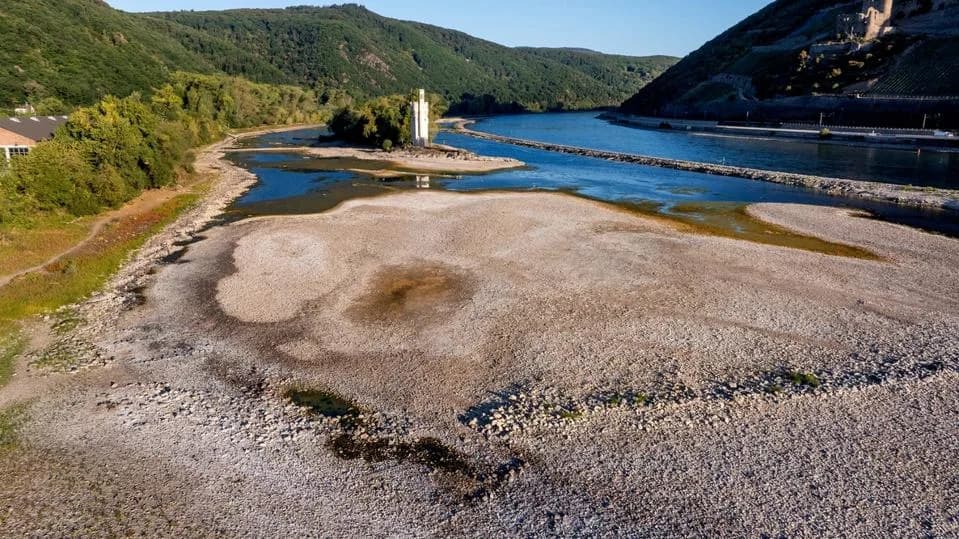
A German-led modeling study finds that by 2070–2100 the area burned by wildfires in Europe could rise about 39% under a low-emissions scenario and roughly 192% under a high-emissions scenario, compared with 2000–2030 averages. Stronger prevention, early detection and firefighting could cut burned areas dramatically—up to 92% in a lower-warming future—but researchers warn those gains may be optimistic if fires grow extreme. The study highlights urgent need for emissions reductions and greater investment in fire management as Europe faces an already intense season.
Climate Change Could Triple Europe's Burned Area Within 75 Years, Study Warns
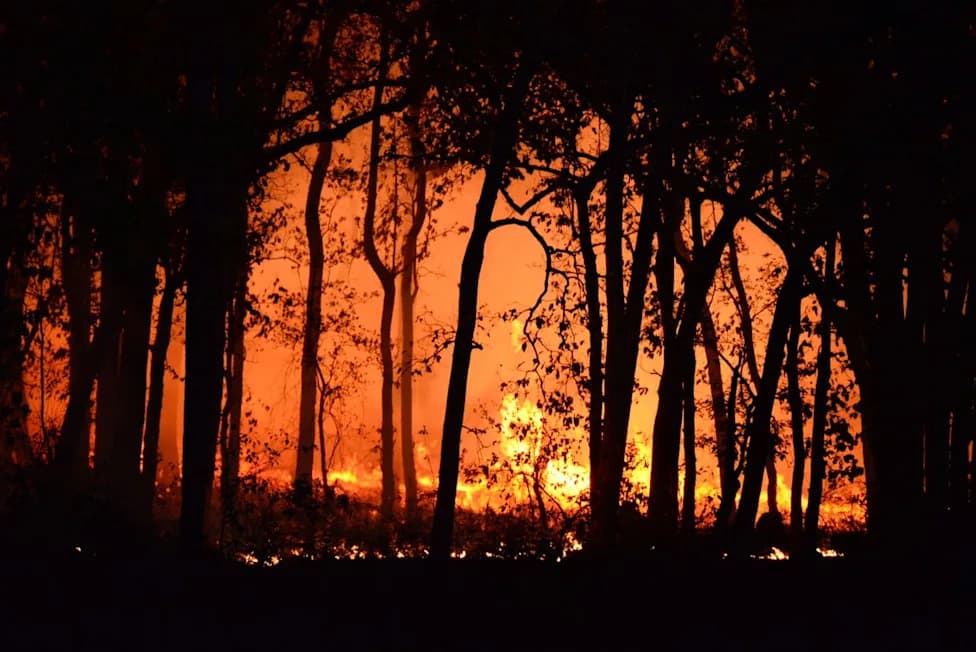
(Photo by Deep Rajwar via Pexels)
A new German-led study warns that, within roughly 75 years, the area burned by wildfires across Europe could increase dramatically as the climate warms. Hotter, drier and windier conditions are expected to expand fire-prone regions, with the largest increases projected around the Mediterranean and across much of Western and Central Europe.
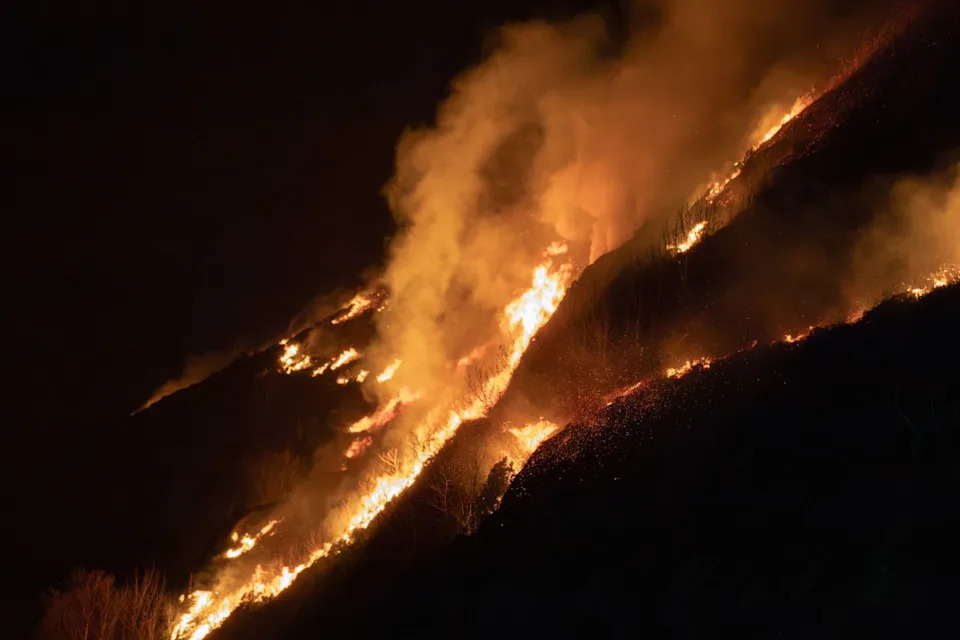
(Photo by Andreas Berget via Pexels)
Key Findings
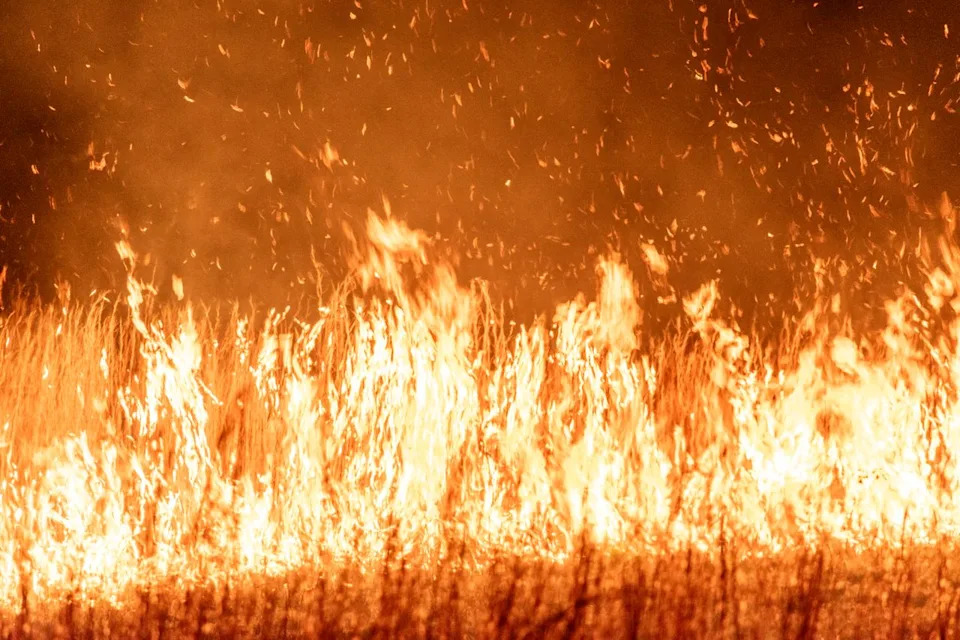
The researchers used climate projections and fire models published in Global Change Biology to compare projected annual averages for 2070–2100 with a modeled reference period from 2000–2030. Under a low-emissions pathway (roughly 1.8°C of warming), burned area is projected to increase by about 39% relative to today. Under a high-emissions trajectory (about 3.6°C), burned area could rise by roughly 192%—almost triple current levels.
(Photo by Keith Lowery via Pexels)
What Fire Management Could Do
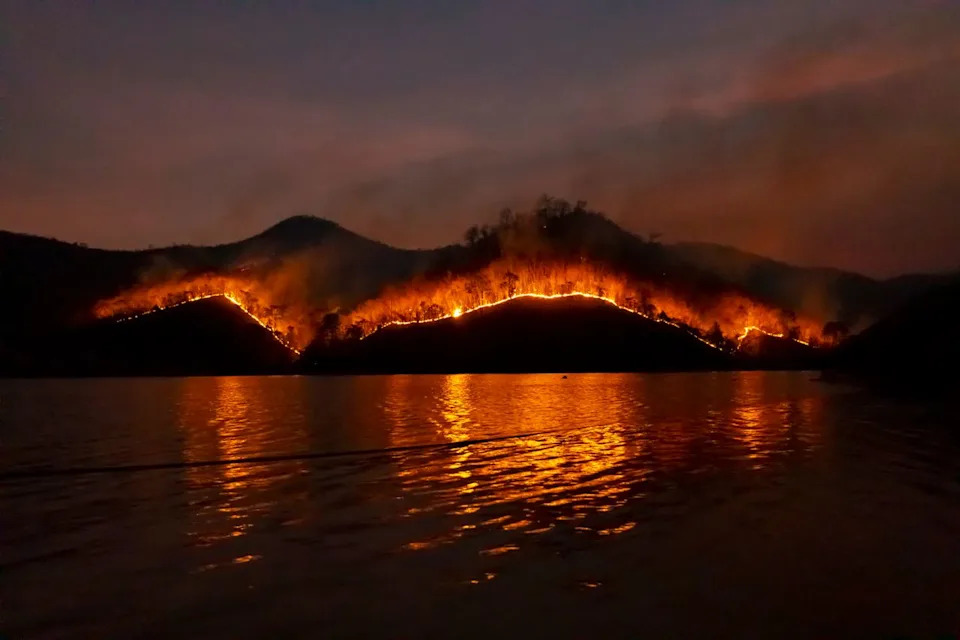
The team also modeled the potential effects of human interventions—prevention, early detection and firefighting capacity—on future burned area. Their results indicate that sustained improvements in fire management could reduce burned area by up to 92% in a 1.8°C future and by about 72% in a 3.6°C future. However, the authors caution these estimates may be optimistic if fire conditions become far more extreme and overwhelm management systems.
(Photo by Sippakorn Yamkasikorn via Pexels)
Maik Billing, PIK: 'Climate change is driving up fire activity across Europe as hot, dry and windy conditions become more severe. We see widespread increases in burned area even under comparatively low warming.'
Thomas Hickler, Senckenberg: 'If Europe increases investment in wildfire management—training crews, improving equipment and coordination—our projections show this can make a significant difference. But if fires become truly extreme, our ability to contain them may break down.'
Context: Today's Fire Season
The study arrives amid a severe wildfire season in Europe. According to the European Forest Fire Information System (EFFIS), about 550,000 hectares had burned across the EU as of Aug. 12—approximately 2.5 times the long-term average for that date. Recent major fires in France, Spain and Greece underscore how quickly resources can be stretched.
Implications
The authors emphasize two complementary responses: deep cuts in greenhouse gas emissions to limit future warming, and strengthened local and national fire management to reduce impacts in a warmer climate. They also warn that there are limits to what fire management can achieve if climate-driven fire conditions become extreme.
Study Details: Led by the Potsdam Institute for Climate Impact Research (PIK) with contributions from the Senckenberg Society for Nature Research; published in Global Change Biology. The modeling compared 2070–2100 projections with a 2000–2030 reference and explored both climate-only and human-management scenarios.
Help us improve.