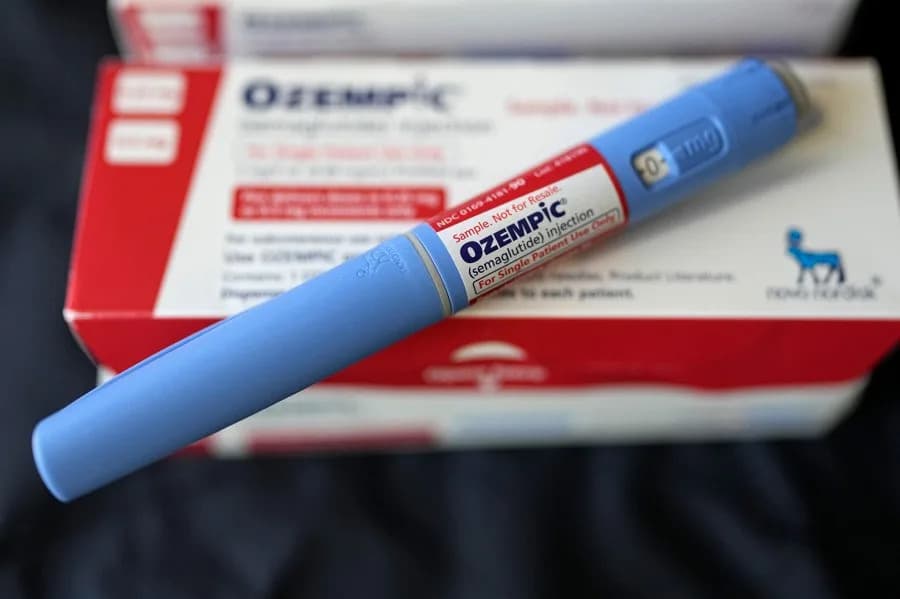
ECNU researchers report a programmable probiotic, GIFT, that senses high glucose and secretes GLP‑1 to lower blood sugar. In mice and monkeys the system produced improved glucose control and matched semaglutide (Ozempic) in animal tests; a single oral dose in monkeys had effects lasting up to three days. The team is pursuing patents and GMP scale‑up, but no human trials exist and regulators must address safety and classification questions before any consumer availability.
A 'Smart' Probiotic for Diabetes: GIFT Produces GLP‑1 When Glucose Spikes — Animal Tests Match Ozempic

Image: South China Morning Post
Researchers at East China Normal University (ECNU) in Shanghai have engineered a programmable probiotic called GIFT that senses high blood glucose and autonomously secretes GLP‑1, a hormone that stimulates insulin release. The team published preclinical results in Nature showing that GIFT matched semaglutide (Ozempic) in animal models. No human trials have yet been reported.
How It Works
GIFT is built on the probiotic strain Escherichia coli Nissle 1917, which is already used in some commercial supplements. The engineered bacteria contain a HexR sensor gene circuit that detects rises in glucose after a meal. When glucose rises, the circuit switches on production of GLP‑1; when glucose falls, the circuit shuts off. The developers describe this behavior as a biological thermostat: automatic, self‑regulated hormone delivery without manual dosing.
Key Preclinical Findings
- In diabetic mouse models: improved fasting glucose, reduced HbA1c, improved lipid profiles, and measurable reductions in fatty liver and kidney damage.
- In nonhuman primates: a single oral dose raised circulating GLP‑1 and insulin within hours, with glucose‑lowering effects that persisted for up to three days.
- Head‑to‑head animal comparisons: the ECNU team reports glucose‑lowering efficacy comparable to semaglutide (Ozempic).
Development Status And Claims
Lead investigator Ye Haifeng says the team has filed patents and is scaling production toward GMP standards for U.S. and EU markets. The researchers have suggested GIFT could appear as a consumer product (for example, a capsule or fortified yogurt) within about two years if development proceeds without setbacks. Crucially, that timeline depends on regulatory decisions and safety testing; no human clinical trials have been reported.
Regulatory And Safety Questions
A genetically modified organism designed to produce a therapeutic hormone in the gut raises regulatory and biosafety questions that go beyond typical food products. U.S. and EU authorities will need to decide whether GIFT should be regulated as a drug, a biologic, or a dietary supplement — a designation that determines whether Phase I–III clinical trials are required. Specific unresolved concerns include the risk of horizontal gene transfer, potential long‑term colonization of the human gut, and environmental containment.
Why The Architecture Matters
GIFT is intentionally modular: the glucose sensor and the GLP‑1 payload are separable and potentially swappable. That design could allow the same platform to target other biomarkers or deliver different therapeutic payloads (for example, treatments for obesity or fatty liver), but that possibility depends entirely on successful and safe translation to humans.
Bottom Line: GIFT is a promising, programmable probiotic that produced compelling preclinical results. It could reshape metabolic therapy if human trials confirm safety and efficacy, but regulatory classification and biosafety risks must be resolved before any consumer rollout.
Help us improve.