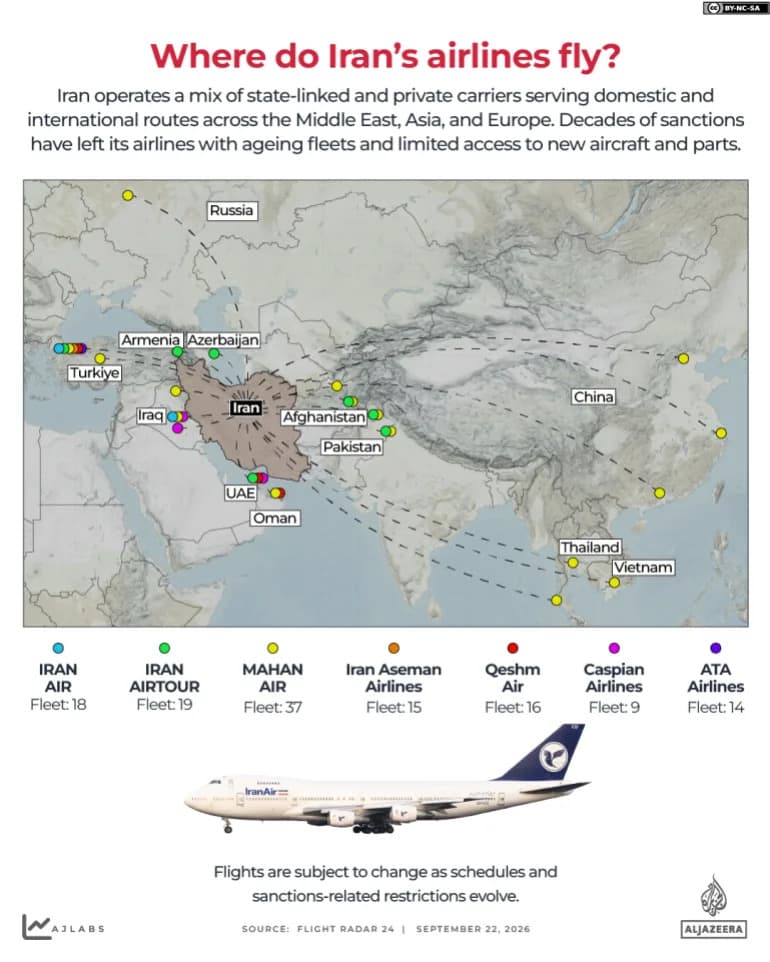
The UAE has announced a suspension of trade with Iran, citing "regional escalations," without specifying an effective date. The UAE is a major source of Iranian imports and a key conduit for re-exports and, reportedly, for opaque financial flows linked to sanctioned oil revenue. Experts say the decision signals closer alignment with the US but may not halt illicit channels unless backed by coordinated international enforcement and enhanced banking due diligence. The move follows repeated attacks on Emirati tankers and aims both to signal pressure and to reset bilateral ties.
Why the UAE Has Suspended Trade With Iran — What It Means and What Comes Next
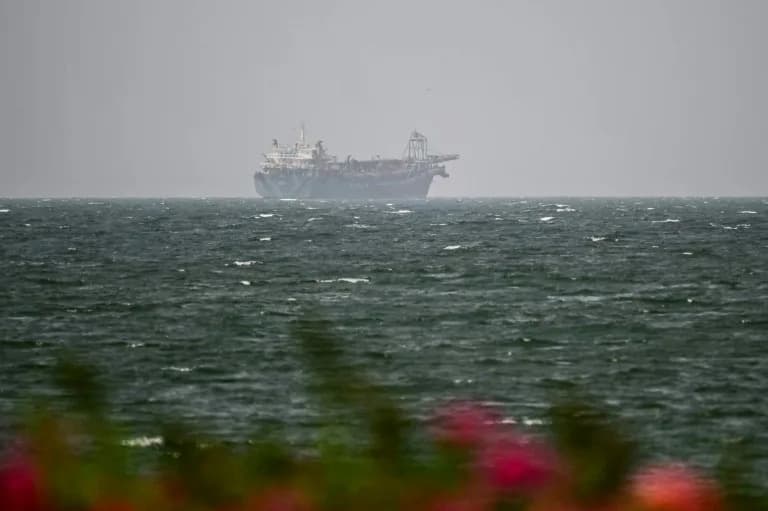
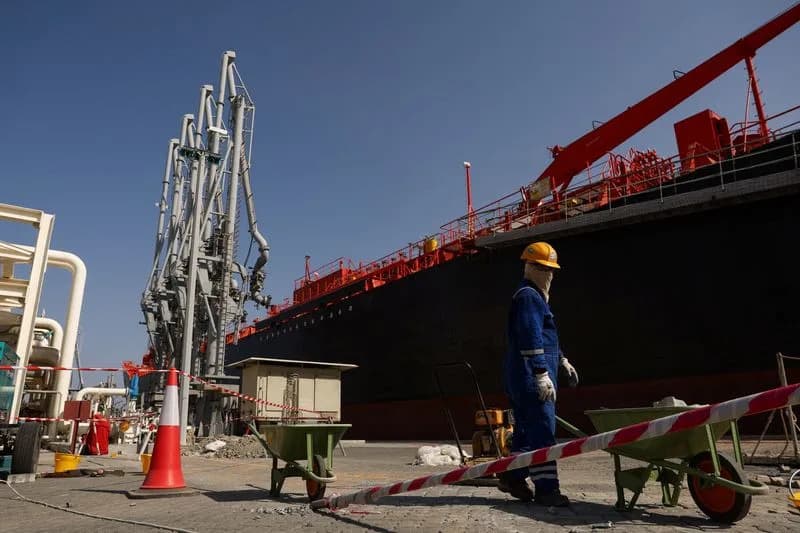
A vessel is seen off the coast of Sharjah in the United Arab Emirates on August 3, 2026. (-)
The United Arab Emirates this week announced it has suspended trade with Iran, attributing the move to vague "regional escalations." The UAE did not give a precise start date for the suspension and offered limited detail on which sectors or transactions are affected.
How Large Is UAE–Iran Trade?
The UAE has long been one of Iran's most important commercial partners and a major source of imports. Iranian government figures show trade with the UAE reached about $21 billion in the 10 months before the war. Separately, the World Trade Organization reported that in 2024 the UAE supplied roughly 30.6% of Iran's imports (about $21 billion) and was Iran's third-largest export market, taking roughly 12% of Iranian exports (more than $7 billion).
Most of the UAE's reported trade with Iran consists of re-exports — goods imported into the Emirates and then shipped onward to Iran — including electronics, foodstuffs and other consumer items. Official statistics do not capture smuggling and other illicit flows, which are difficult to measure.
Will This Reduce Illicit Flows?
Cutting formal trade ties can be disruptive, but experts say it may do little to stop the shadowy financial channels that move sanctioned oil revenue. "If this decision is fully enforced, it could be very detrimental to Iran's economy and (cause) losses on the UAE side as well," said Karen Young, senior fellow at the Middle East Institute. She warned that broader networks of transfers often involve jurisdictions beyond the UAE and that meaningful economic isolation would require coordinated international measures and possible secondary sanctions.
"Billions of dollars of the regime's sanctioned oil revenue moves through UAE by way of opaque shell companies based in China/Hong Kong," said Max Meizlish, a researcher at the Foundation for Defense of Democracies and a former official at the US Treasury's Office of Foreign Assets Control. He urged continued US pressure and enhanced due diligence by Emirati banks.
Analysts note that even with a formal trade suspension, commodity re-exports, third-country intermediaries and opaque corporate structures can allow sanctioned revenue to reach Tehran indirectly. Stopping such flows typically requires sustained financial controls, international cooperation and targeted enforcement against intermediaries.
Why Now?
The move follows a period of heightened tensions. The UAE adopted a hawkish posture early in the conflict — recalling its ambassador to Tehran and closing Iranian state-linked schools and hospitals it said violated Emirati law. Although a June memorandum of understanding between Washington and Tehran briefly suggested a thaw, hostilities have resumed in other forms.
Recent weeks have seen repeated strikes on ADNOC tankers and other incidents at sea. The UAE said missiles aimed at shipping recently fell into the sea, underscoring direct threats to Emirati vessels. Observers say the UAE’s announcement also aligns with a renewed US campaign of economic pressure on Iran.
"This statement publicly signals that there is no daylight between the US and UAE positions," said Esfandyar Batmanghelidj, head of the Bourse & Bazaar Foundation, describing the move as coordination with US sanctions efforts. Emirati researcher Mohammed Baharoon described the decision as an attempt to reset bilateral ties after failed attempts at reconnection: "This is not about joining the US sanction effort but about re-establishing the basis of the relationship. Iran can't ask for connectivity while they are blocking it," he said, referring to attacks on Emirati tankers.
Implications and Next Steps
The suspension raises immediate economic and diplomatic questions. For Iran, the loss of a major import source and conduit for re-exports could be damaging if the measure is strictly enforced. For the UAE, the move risks commercial disruption and requires robust enforcement to prevent circumvention via third parties.
Ultimately, experts say the impact will depend on how comprehensively the UAE implements the suspension, whether other countries follow suit, and whether financial authorities worldwide clamp down on the opaque networks that have allowed sanctioned oil revenue to circulate.
Help us improve.