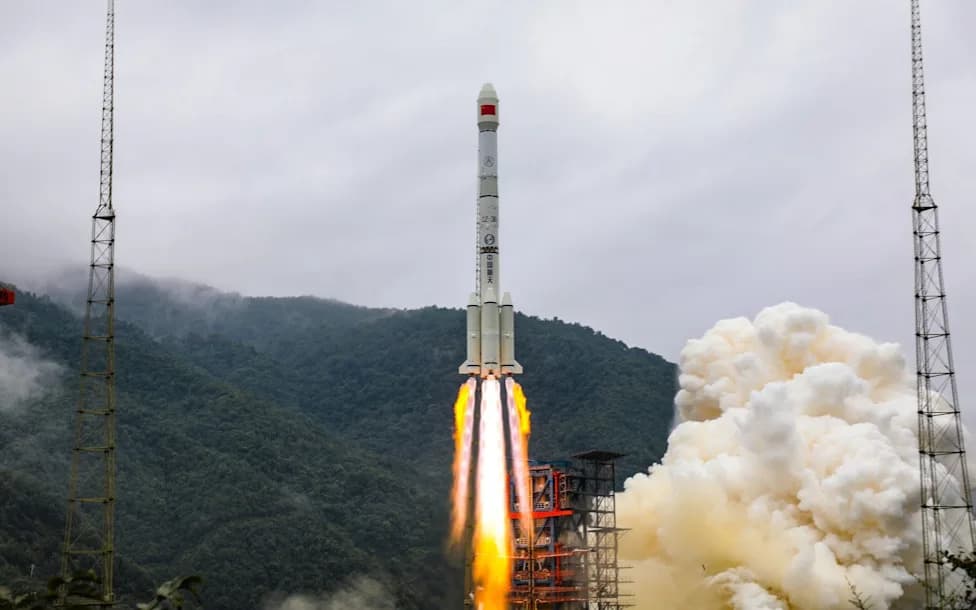
Early Wednesday, Taiwan’s first domestically developed satellite launch vehicle veered off course during a test at the Jiupeng base. Operators triggered an emergency self-destruct, sending debris to an uninhabited mountainside; no injuries or private-property damage were reported. Pingtung County officials demanded answers and a temporary suspension of related tests while NCSIST reviews telemetry and launch procedures. The trial is part of Taiwan’s push for independent space-launch capabilities.
Taiwan’s First Homegrown Rocket Swerves Off Course; Self-Destruct Sends Debris to Mountainside
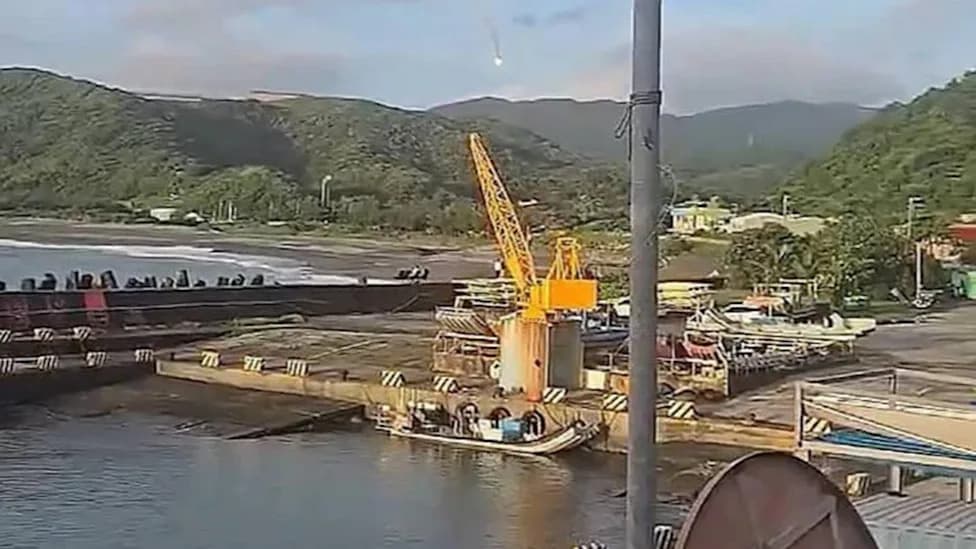
Taiwan’s first homegrown rocket test veers off course, alarming nearby villagers
Villagers in southern Taiwan were alarmed early Wednesday when the island’s first domestically developed satellite launch vehicle veered off its planned trajectory at liftoff. Operators activated a built-in emergency self-destruct sequence, and debris fell on an uninhabited mountainside. Authorities reported no injuries or damage to private property.
What Happened
The launch took place at about 6:00 a.m. local time from the Jiupeng missile testing base in Pingtung County, operated by the government-backed National Chung-Shan Institute of Science and Technology (NCSIST). According to NCSIST, the rocket departed from its intended flight path during the initial stage. Technicians executed a pre-established self-destruct procedure designed to limit falling debris to a designated safety zone rather than allow an uncontrolled flight.
Eyewitness Accounts and Footage
Witnesses said the vehicle climbed briefly before abruptly changing direction, turning away from the sea and toward nearby hills. Video clips shared online show residents shouting in alarm as the rocket appeared to head toward their community. The vehicle ultimately crashed in a remote, unpopulated area, producing thick smoke visible over the mountainside.
Official Notices and Safety Zone
Prior to the test, NCSIST had posted advance firing notices covering sea and air weapons exercises at Jiupeng from Wednesday through Friday. Those notices listed planned artillery drills and uncrewed aircraft operations and established a danger zone with a 20-nautical-mile (37 km) radius and a maximum altitude of 100,000 ft (30.5 km).
Local Response and Follow-Up
Pingtung County officials demanded an immediate explanation from NCSIST and called for suspension of related tests until investigators determine the cause of the failure. County leaders urged a review of launch procedures and requested that future flight paths avoid indigenous villages and residential areas. "The lives and property of local residents must not be put at risk," the county government said in a statement. Pan Chuang-chih, mayor of Mudan Township, also sought a prompt public explanation, saying residents were deeply alarmed.
NCSIST Statement and Next Steps
NCSIST said it will analyze telemetry data recorded during the test and make any necessary design or procedural revisions. The institute emphasized that the self-destruct system is intended to keep debris within a controlled safety zone if a vehicle departs from its intended trajectory.
Strategic Context
The test is part of Taiwan’s broader effort to develop independent satellite and launch capabilities. Taipei has framed the program as important to the island’s long-term technological resilience and strategic autonomy.
Help us improve.