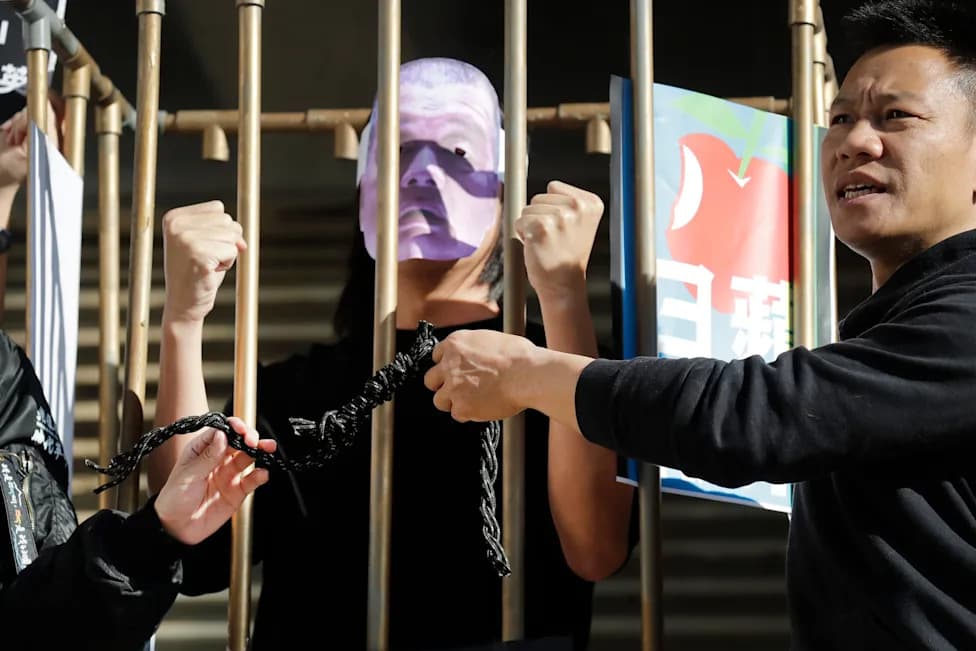
Verdict Due Friday: A decision is expected in the trial of Lee Cheuk-yan and Chow Hang-tung, former organizers of Hong Kong’s Tiananmen vigil, charged with inciting subversion under Beijing’s 2020 national security law. Both pleaded not guilty; each faces up to 10 years in prison if convicted. The case is widely seen as a test of Hong Kong’s civil liberties and judicial independence under the "one country, two systems" framework.
Verdict Expected in Trial of Former Hong Kong Tiananmen Vigil Organizers — A Test for 'One Country, Two Systems'
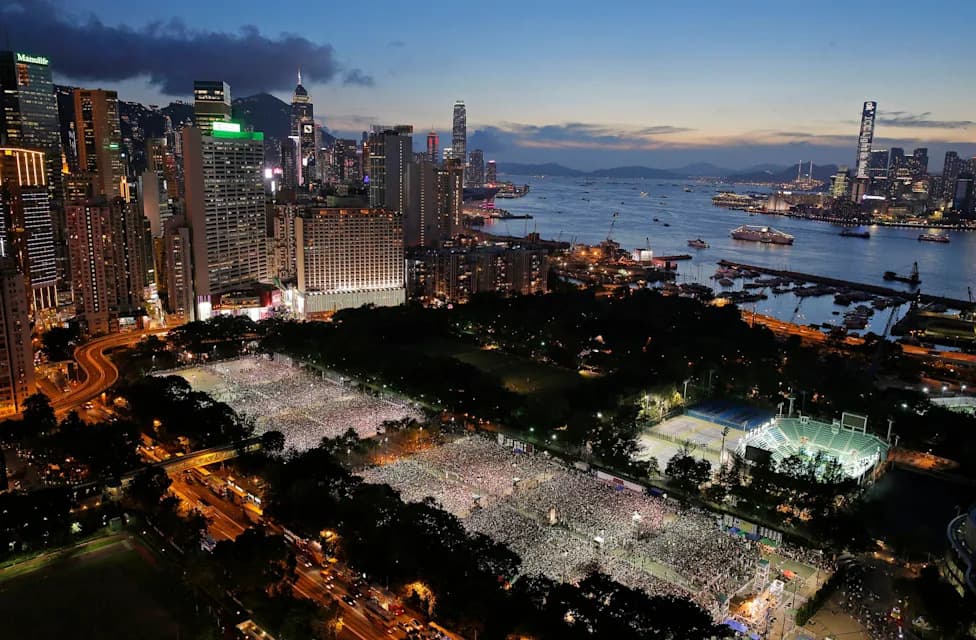
FILE - Tens of thousands of people attend a candlelight vigil to mark the 25th anniversary of Beijing's June 4th Chinese military crackdown on the pro-democracy movement at Victoria Park in Hong Kong on June 4, 2014. (AP Photo/Vincent Yu, File)(AP Photo/Vincent Yu)
A verdict is expected Friday in the trial of two former organizers of Hong Kong’s annual Tiananmen Square vigil, prosecuted under the national security law imposed by Beijing in 2020. The case has become a focal point for debates about civil liberties, judicial independence and the future of Hong Kong’s "one country, two systems" framework.
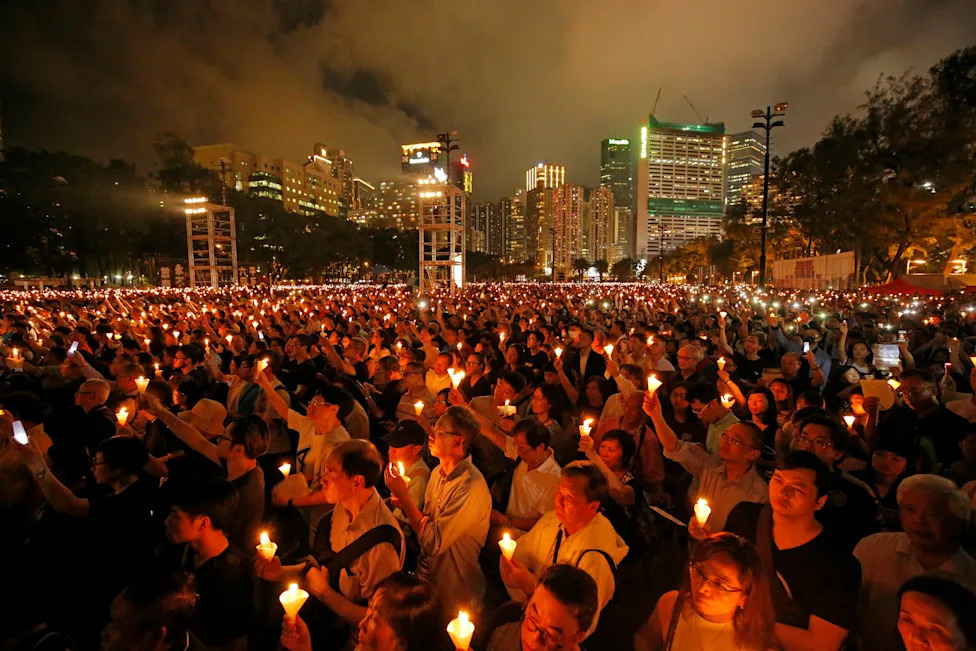
FILE - Thousands of people attend a candlelight vigil for victims of the Beijing's 1989 brutal military crackdown on protesters at Victoria Park in Hong Kong, on June 4, 2019. (AP Photo/Kin Cheung, File)(AP Photo/Kin Cheung)
Who Are The Defendants?
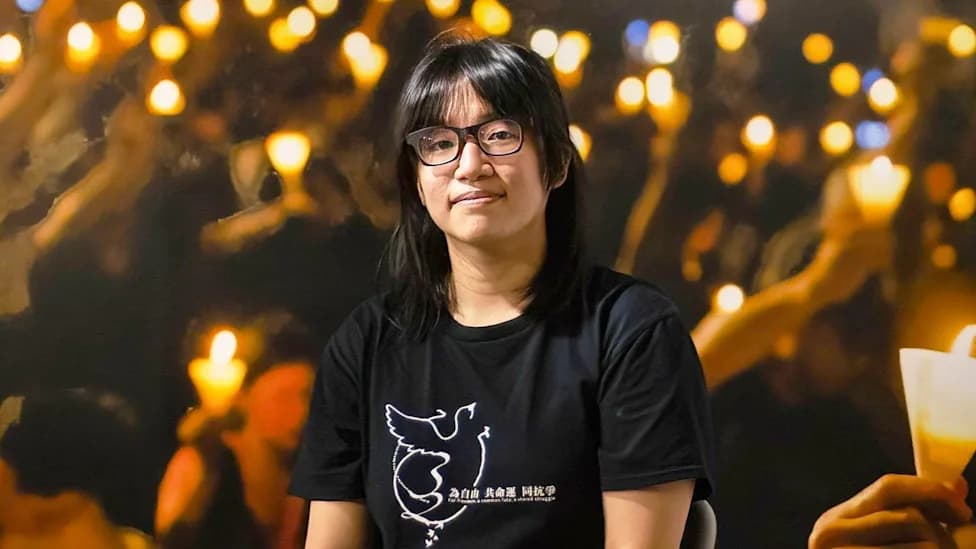
Lee Cheuk-yan and Chow Hang-tung, former leaders of the Hong Kong Alliance in Support of Patriotic Democratic Movements of China, were charged in September 2021 with inciting subversion. Each faces a maximum prison term of 10 years if convicted. Both pleaded not guilty when the trial opened in January; a verdict will be delivered by a panel of three judges appointed under the post-2020 framework.
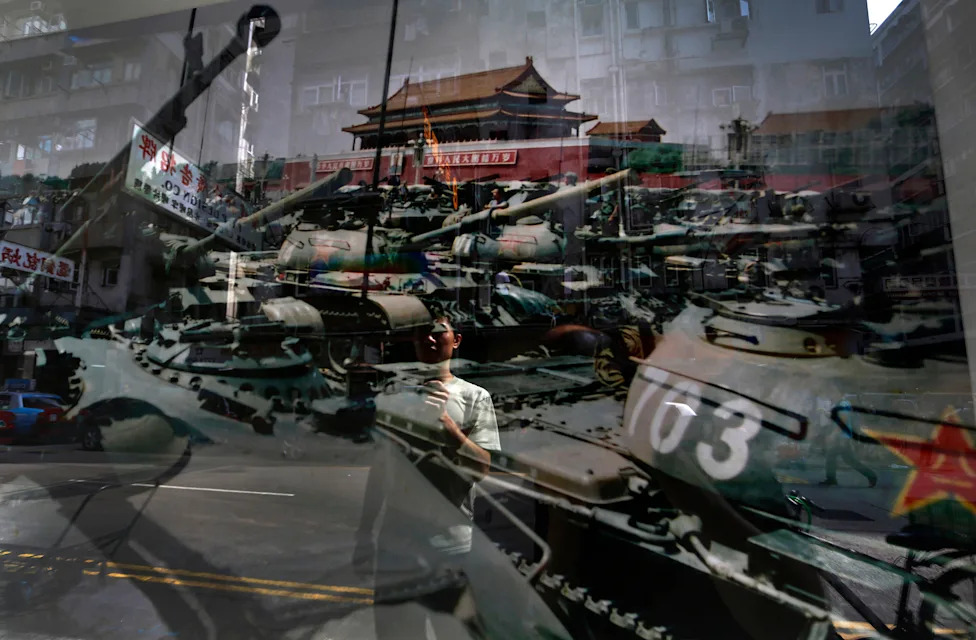
FILE - A man looks at a photo, believed to be taken by a former People's Liberation Army soldier during Beijing's June 4, 1989 Chinese military crackdown on the pro-democracy movement displayed in Hong Kong on June 4, 2012. (AP Photo/Vincent Yu, File)(AP Photo/Vincent Yu)
Case Details And Arguments
Prosecutors say Lee and Chow encouraged others to use unlawful means to topple China’s fundamental political system, pointing to calls to "end one-party rule" as evidence of intent to overthrow the Communist Party’s leadership. The prosecution frames these slogans as core elements of the alliance’s objectives.
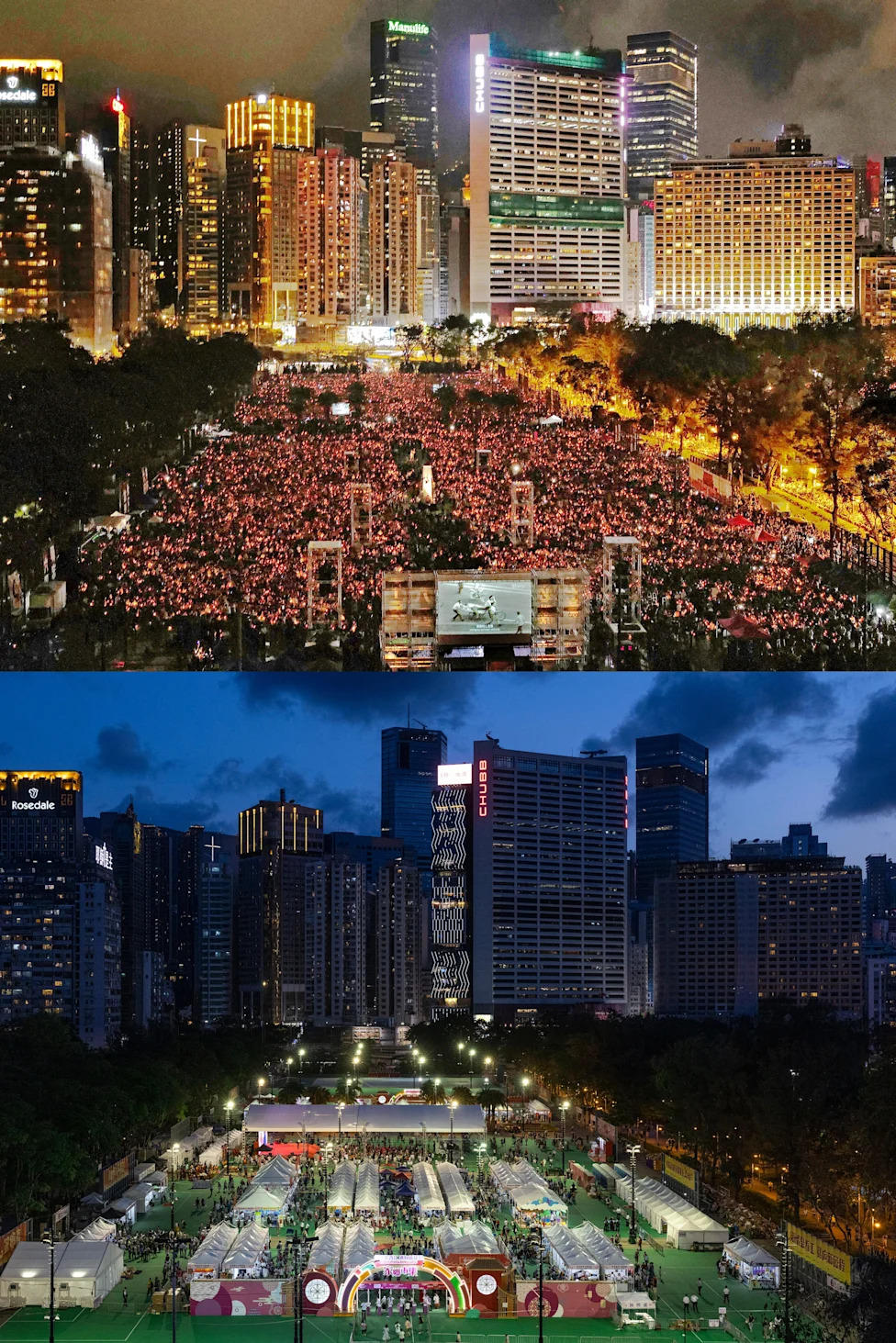
FILE - In this two photo combination image, at top thousands of people attend the annual candlelight vigil in Hong Kong's Victoria Park, June 4, 2019 to mark the anniversary of the military crackdown on the 1989 pro-democracy student movement in Beijing, and bottom shows the same venue taken over by a carnival organized by pro-Beijing groups to mark the city's 1997 handover to China on the 34th anniversary of the crackdown, June 4, 2023. (AP Photo, File)(AP Photo/Vincent Yu)
The defense contends the slogans and public calls sought peaceful democratic reform, not the violent or illegal overthrow of the political system. Chow, who represented herself, argued the alliance never promoted illegal methods and warned that curbing political speech risks making courts complicit in abuses of power.
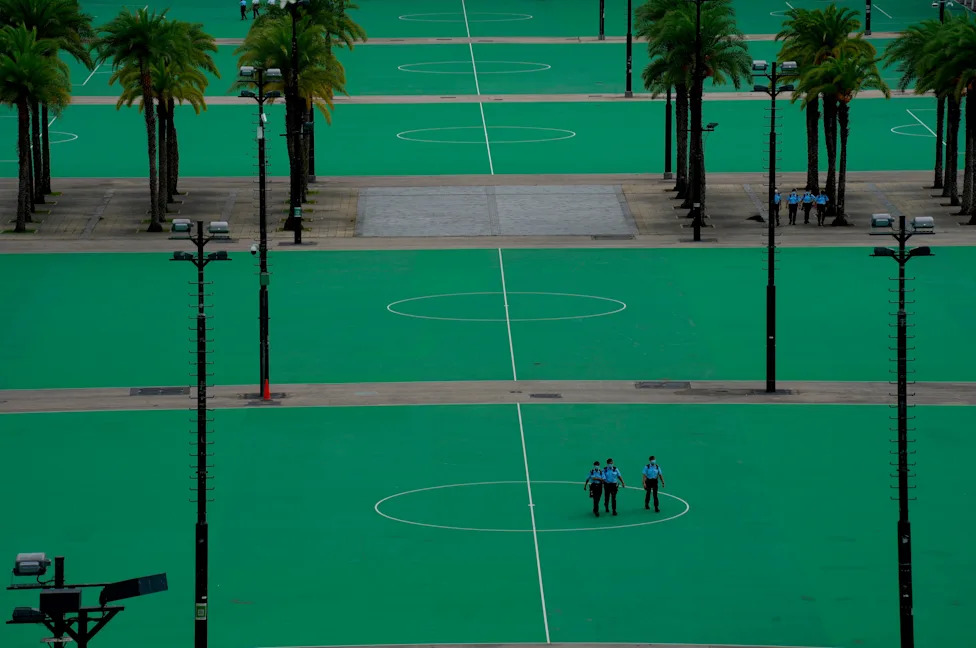
FILE - Police officers patrol an empty Hong Kong Victoria Park where in past years tens of thousands used to hold a vigil to commemorate the June 4, 1989 military crackdown in Beijing's Tiananmen Square against a pro-democracy student movement, Friday, June 4, 2021. (AP Photo/Vincent Yu, File)(AP Photo/Vincent Yu)
Context And Significance
For roughly three decades the now-disbanded alliance organized Hong Kong’s only large-scale public commemoration of the 1989 Tiananmen crackdown, drawing tens of thousands each year until authorities banned the vigil in 2020 during the COVID-19 pandemic. Weeks after that ban, Beijing enacted the national security law for Hong Kong; authorities say it was necessary to restore stability after the 2019 protests.
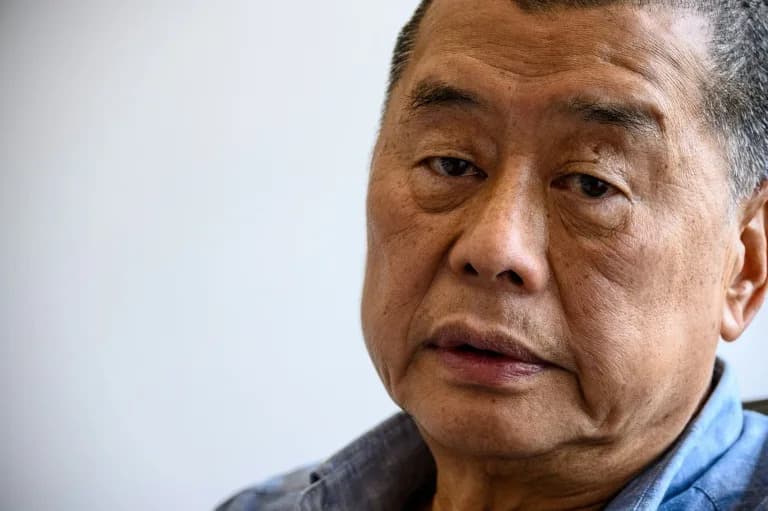
The alliance voted to disband the same month the two were charged. Several prominent activists — including media tycoon Jimmy Lai — have been jailed under the 2020 law, and numerous civic groups dissolved following its introduction. Critics say prosecutions under the law, and especially this case, are a litmus test for the territory’s civil liberties and judicial independence.
"We will see how far Hong Kong’s courts have drifted toward the party-led judiciary in the mainland based on the criminal verdict," said Eric Lai, a senior fellow at the Georgetown Center for Asian Law.
Related Developments
Another former organizer, Albert Ho, pleaded guilty earlier in the proceedings and is awaiting sentencing — a guilty plea that typically results in a reduced sentence. The government has repeatedly said defendants retain the right to fair trials and that the judiciary operates independently, while critics argue outcomes will show whether that independence remains intact.
Implications: Beyond the fate of Lee and Chow, observers will watch the verdict for signals about Hong Kong’s legal trajectory, the permissible scope of political speech, and the durability of the guarantees promised under "one country, two systems." The case also mirrors tactics used on the mainland, where the charge of inciting subversion has been applied to activists and dissidents including the late Nobel laureate Liu Xiaobo.
Help us improve.